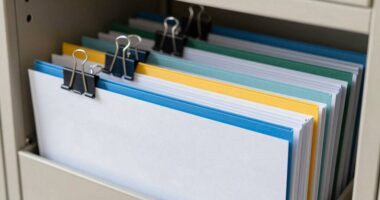
To build a strong divorce paper trail, you should gather and organize all relevant financial records like bank statements, tax returns, and investment details. Keep copies of emails, texts, and notes related to your case, and maintain a detailed journal of important events and conversations. Stay consistent in updating these documents and store them securely. If you want to learn more ways to protect your rights and stay prepared, continue exploring this guide.
Key Takeaways
- Collect and organize all financial documents, including bank statements, tax returns, and asset records, for transparency.
- Save all relevant communication, such as emails, texts, and notes, related to divorce discussions and decisions.
- Maintain a detailed journal of events, conversations, and important interactions with dates and context.
- Use clearly labeled folders and secure backups for easy retrieval of important legal and personal documents.
- Regularly update and review records to ensure accuracy and preparedness for legal proceedings.

When going through a divorce, establishing a solid paper trail can make a significant difference in protecting your rights and ensuring a smoother process. You’ll want to gather and organize all relevant financial documentation early on. This includes bank statements, tax returns, pay stubs, investment records, and any information related to assets and debts. Having detailed financial documentation helps you clearly demonstrate your financial situation, which is crucial for fair division of property, alimony, or child support negotiations. Don’t forget to keep records of any financial transactions that seem unusual or relevant to the case, such as large withdrawals or transfers. The goal is to create a complete record of your financial history, so you’re prepared when questions arise or disputes happen. Maintaining a comprehensive financial documentation can also help ensure compliance with legal requirements and provide transparency during proceedings.
Gather and organize financial documents early to protect your rights during divorce proceedings.
Equally important are your communication records. Save all relevant emails, text messages, and notes related to your divorce proceedings or discussions with your spouse. These records can serve as evidence if disagreements escalate or if your spouse disputes claims about promises or intentions. Be diligent about saving correspondence that pertains to financial agreements, parenting plans, or any other significant decisions. If you communicate via phone, consider keeping logs or summaries of important conversations. Screenshots and printed copies of emails or texts are useful, especially if digital communication is deleted or altered. This documentation helps establish a timeline, clarify misunderstandings, and reinforce your position.
It’s also wise to keep a detailed journal of events and interactions related to your divorce. Record dates, times, locations, and what was discussed or decided. This personal record can complement your financial documentation and communication records, providing context to the facts. For example, if your spouse makes a claim about a conversation or agreement, your journal can back up your version of events.
Organizing your paperwork is essential. Use clearly labeled folders or digital files to categorize different types of documents. Keep backups of digital files in secure locations, like cloud storage or external drives. Regularly update your records to reflect new transactions or communications. This proactive approach ensures you won’t scramble for important information when deadlines or court dates approach.

Sooez Elegant Accordion File Organizer, 8 Pocket Expanding File Folders with Labels, Portable Folder for Documents, Cute Paper Organizer for School Office Supplies, Letter Size, Dark Green
Get Organization in Style: This elegant folder with attractive color schemes definitely adds a pop to your workspace!…
As an affiliate, we earn on qualifying purchases.
As an affiliate, we earn on qualifying purchases.
Frequently Asked Questions
How Long Should I Keep Divorce-Related Documents?
You should keep divorce-related documents, including financial records and communication logs, for at least seven years. This timeframe helps safeguard you if questions about finances or disputes arise later. Keep copies of bank statements, pay stubs, and emails related to your divorce. Storing these documents securely ensures you’re prepared for any legal or financial questions that might come up years down the line.
What Types of Evidence Are Most Effective?
You should focus on collecting financial documentation and communication records, as they’re the most effective evidence. Financial documents like bank statements, tax returns, and pay stubs show your financial situation clearly. Communication records, including emails and text messages, can reveal conflicts or agreements. Keep everything organized and up-to-date, because these types of evidence strengthen your case and help you stand firm during negotiations or court proceedings.
Can Digital Records Be Used in Court?
Yes, digital records can be used in court as evidence. Confirm your digital signatures are legally valid and maintain the integrity of your online privacy to prevent tampering. Keep detailed records of emails, messages, and online activity, as these can support your case. Properly preserving and presenting digital evidence strengthens your position, making it more likely to be accepted and considered credible by the court.
How Do I Organize My Paper Trail Efficiently?
To organize your paper trail efficiently, start with digital organization by scanning and saving all documents in clearly labeled folders. Use consistent filing strategies, such as categorizing by date or document type, to make retrieval easy. Regularly update and back up your files, and consider using cloud storage for secure access. Staying organized helps you quickly find evidence when needed and keeps your records clear and thorough.
What Are Common Mistakes to Avoid When Documenting?
You should avoid overlooking details that seem insignificant, as they can be vital later. Don’t forget to keep accurate financial statements and thorough communication logs, as inconsistencies can hurt your case. Be cautious about losing or misplacing documents, and avoid mixing personal notes with official records. Staying organized and honest ensures your paper trail remains strong, helping you build a solid foundation for your divorce proceedings.

DocSafe Vinyl Record Storage Box with Lock,Fireproof&Water Resistant Record Organizer Storage for 100+ Single Records(12-inch),Collapsible Storage Crate with Lid&Handles for Valuable Album Collection
Fireproof and Water-resistant: The Upgraded fireproof vinyl record box is made of 3 layered non-itchy silicone coated fiberglass…
As an affiliate, we earn on qualifying purchases.
As an affiliate, we earn on qualifying purchases.
Conclusion
By diligently documenting details, deciphering debts, and defending your decisions, you’ll develop a dependable divorce paper trail. This thorough trail provides clarity, counters claims, and cultivates confidence in court. Consistently collecting, conserving, and cross-referencing vital correspondence and contracts creates a compelling case. Remember, a well-woven web of written evidence not only wards off unwanted surprises but also walks you toward a well-won, worry-free divorce. Stay steadfast, systematic, and savvy in your paper trail pursuit.
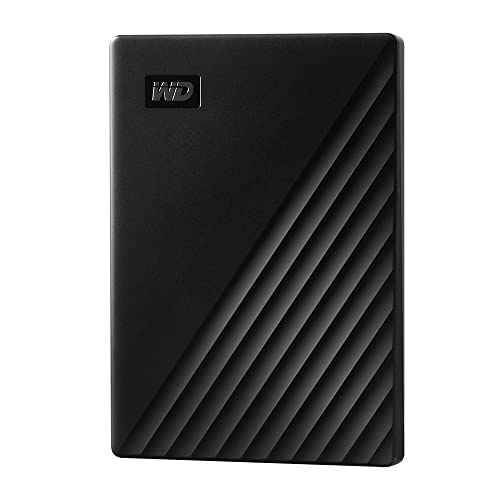
WD 2TB My Passport, Portable External Hard Drive, Black, backup software with defense against ransomware, and password protection, USB 3.1/USB 3.0 compatible – WDBYVG0020BBK-WESN
Slim durable design to help take your important files with you
As an affiliate, we earn on qualifying purchases.
As an affiliate, we earn on qualifying purchases.

Avery File Folder Labels with TrueBlock Technology, Permanent Adhesive, 2/3" x 3-7/16", Laser/Inkjet, 150 Labels (08593)
Manage files efficiently with a uniform, organized look with classic white file folder labels that allow text to…
As an affiliate, we earn on qualifying purchases.
As an affiliate, we earn on qualifying purchases.