
Leaving financial abuse can hit your budget hard, leaving you overwhelmed and unsure where to start. You might notice negative marks on your credit report or discover unexpected expenses. It’s common to feel anxiety or guilt, but taking small steps like reviewing your finances and creating a simple budget helps rebuild stability. Remember, this sudden shock may feel intense, but with focused effort, you can regain control and set a strong foundation for your future. If you keep exploring, more tips await.
Key Takeaways
- Leaving financial abuse often results in unexpected expenses and debt, causing significant budget shocks.
- Victims may discover fraudulent accounts or negative marks on credit reports.
- Rebuilding a sustainable budget requires prioritizing essentials and gradually incorporating savings.
- Emotional trauma can hinder financial decision-making, emphasizing the need for patience and support.
- Developing financial literacy and resilience helps victims regain control and plan for long-term stability.
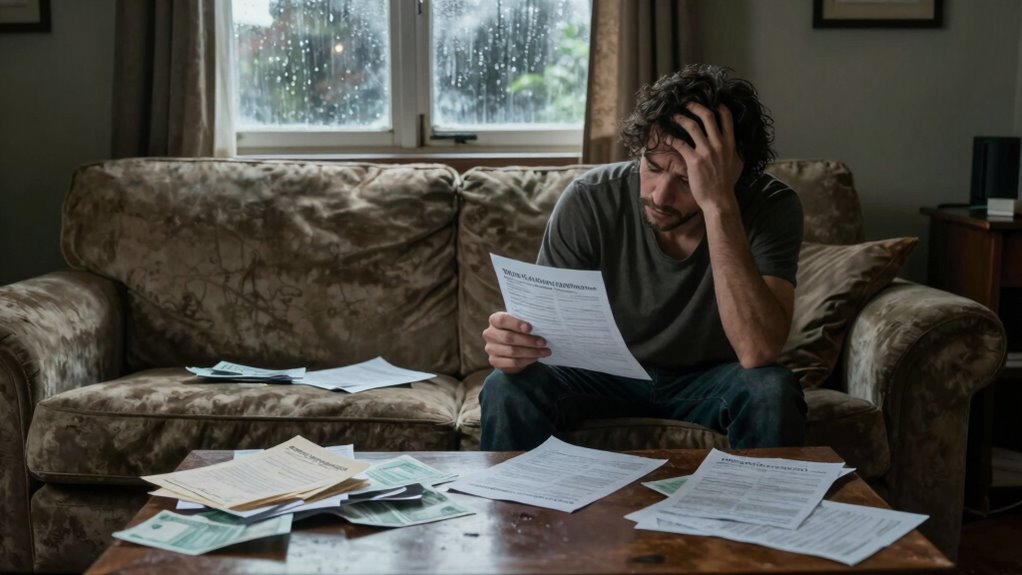
Experiencing financial abuse can leave your budget in shambles, catching you off guard when you least expect it. When you finally find the strength to leave, the last thing you might want to face is the overwhelming realization of your financial situation. It’s a lot to handle, but understanding the steps involved can make it more manageable. The first step is acknowledging where you stand financially. Review your credit report carefully, identify any negative marks or fraudulent accounts, and start planning how to rebuild your credit. This process isn’t quick, but consistent payments and responsible credit use will gradually improve your score, restoring your financial credibility.
As you work on credit rebuilding, don’t forget about your emotional recovery. Leaving an abusive situation can leave deep emotional scars, which often influence your confidence in managing money. It’s essential to be patient with yourself and seek support if needed. Counseling or support groups can provide emotional relief and practical advice, helping you regain trust in your financial decision-making. Recognize that your financial setback isn’t a reflection of your worth or abilities. Instead, it’s a consequence of manipulation and control, and with time, effort, and patience, you can rebuild both your credit and your sense of security.
The financial shock after leaving abuse can also lead to feelings of anxiety, guilt, or shame, which might make it hard to focus on your financial goals. However, focusing on small, achievable steps can help you regain control. Create a simple budget that covers essentials first, then gradually incorporate savings and debt repayment plans. Remember, rebuilding your credit doesn’t happen overnight, but every responsible financial decision adds up. It’s okay to seek help from financial advisors or credit counseling services—they can offer tailored advice and strategies suited for your situation. Understanding the importance of financial literacy can empower you to make informed decisions as you rebuild.
Throughout this process, prioritize your emotional well-being. Celebrate your progress, no matter how small, and give yourself grace as you navigate this new chapter. Developing a resilient mindset can be instrumental in overcoming setbacks and maintaining motivation. Building financial resilience involves not only understanding your finances but also cultivating a positive outlook, which is supported by metaphysical topics like angel numbers that can provide spiritual guidance and encouragement during challenging times. Rebuilding your credit and recovering emotionally are intertwined journeys, each strengthening your resilience. By staying committed to both, you’re setting the foundation for a more secure, independent future. It’s a tough road, but your efforts will lead to renewed confidence, financial stability, and the freedom to move forward without the weight of past abuse holding you back.
As an affiliate, we earn on qualifying purchases.
Frequently Asked Questions
How Do I Rebuild Credit After Financial Abuse?
You can rebuild credit after financial abuse by focusing on improving your financial literacy and practicing credit repair strategies. Start by checking your credit report for errors and disputing any inaccuracies. Make small, consistent payments on existing debts, and consider secured credit cards to build positive credit history. Educate yourself on financial management, and stay patient—your credit will improve over time as you demonstrate responsible financial behavior.
What Legal Steps Can I Take Against Financial Abusers?
You can pursue legal remedies like filing for protective orders to keep the abuser away, which can also help prevent further financial abuse. Consulting a lawyer familiar with financial abuse cases will guide you through the process of obtaining these orders. Additionally, you might consider civil or criminal charges, depending on your situation. Taking these legal steps empowers you to safeguard your financial independence and guarantee your safety.
How Can I Access Financial Support or Counseling?
Did you know that only 37% of adults feel confident managing their finances? To access financial support or counseling, start with local community centers or nonprofit agencies specializing in financial literacy. They often offer free workshops and one-on-one guidance. Improving your financial literacy can boost your confidence and open up new employment opportunities, helping you rebuild your financial independence after abuse. Reach out today to take the first step toward stability.
What Are Immediate Steps to Secure My Finances?
Start by reviewing your bank accounts and setting up a new, secure account if needed. Prioritize building financial literacy to understand your finances better. Create an emergency plan by saving a small fund for unexpected expenses and documenting essential information. Reach out for immediate support, like local charities or financial counseling, to help you regain control. These steps will help you secure your finances quickly and build a foundation for stability.
How Do I Prevent Future Financial Abuse?
Did you know that over 99% of financial abuse cases involve the abuser controlling access to money? To prevent future abuse, set clear financial boundaries and communicate them firmly. Use empowerment strategies like creating separate accounts and monitoring your finances regularly. Educate yourself about financial literacy, and consider working with a financial advisor. Staying vigilant and establishing boundaries helps you regain control and protect your financial independence.
Conclusion
Leaving financial abuse can leave you unprepared for the sudden budget shock. You might find yourself managing expenses with little savings or support, feeling overwhelmed and unsure of where to start. Did you know that 99% of survivors experience financial hardship after escaping abuse? Remember, you’re not alone, and help is available. Taking small steps now can help you regain control and rebuild your financial stability, one day at a time.