
TL;DR
Recent studies indicate that healthcare providers are increasingly relying on wearable device data related to heart rate and sleep patterns. This shift aims to improve early detection and management of health conditions. The development highlights evolving patient-doctor communication but also raises questions about data accuracy and privacy.
Doctors are now prioritizing data from wearable devices that track heart rate and sleep patterns over other types of health metrics, according to recent research. This shift reflects a growing acceptance of consumer health technology in clinical decision-making and aims to enhance early detection of health issues. The development matters because it could influence how patient monitoring is integrated into standard medical practice.
Recent studies published in medical journals and reports from healthcare organizations reveal that clinicians are increasingly relying on wearable device data related to heart activity and sleep quality. These metrics are viewed as more actionable and reliable indicators of underlying health conditions, such as cardiovascular risk and sleep disorders. Experts say that wearable data, when combined with traditional clinical assessments, can improve early diagnosis and personalized treatment plans.
Healthcare providers are integrating data from popular consumer devices like smartwatches and fitness trackers into electronic health records (EHRs), allowing for continuous monitoring outside clinical settings. This trend is supported by advancements in data analytics and artificial intelligence, which help interpret large volumes of wearable data. However, the adoption remains uneven, with some clinicians cautious about data accuracy and privacy concerns.
Why Prioritizing Heart and Sleep Data Changes Patient Care
This shift could significantly improve early detection of health issues, particularly cardiovascular diseases and sleep disorders, which are major contributors to morbidity. By leveraging wearable data, doctors can identify warning signs earlier, potentially reducing hospitalizations and improving outcomes. It also marks a move toward more proactive, personalized healthcare, where continuous monitoring supplements episodic clinical visits.
However, the increased reliance on wearable data raises concerns about data accuracy, standardization, and patient privacy. The medical community is debating how best to validate and integrate consumer-generated health data into clinical workflows without compromising quality or security. Overall, this development could reshape patient engagement, making health management more accessible but also more complex.
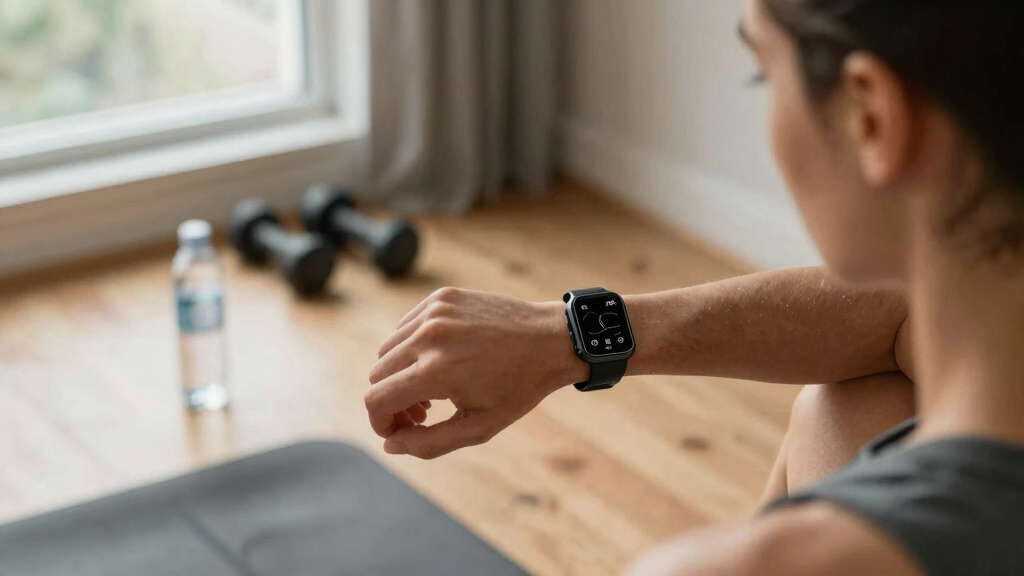
wearable heart rate monitor watch
As an affiliate, we earn on qualifying purchases.
As an affiliate, we earn on qualifying purchases.
Emerging Trends in Wearable Health Data Use
Over the past few years, wearable health technology has gained popularity among consumers, with devices capable of tracking heart rate, sleep, activity levels, and more. While initially used for fitness, these devices are now increasingly incorporated into clinical practice. Recent research indicates that clinicians value data on heart rate variability and sleep quality, which can signal underlying health issues before symptoms appear.
Medical institutions and startups have been developing platforms to securely collect and analyze wearable data, aiming to bridge the gap between consumer tech and healthcare. The trend aligns with broader moves toward telemedicine and remote patient monitoring, accelerated by the COVID-19 pandemic and advancements in digital health tools.
“Wearable heart rate and sleep data provide us with continuous insights that can catch warning signs earlier than traditional checkups.”
— Dr. Jane Smith, cardiologist
sleep tracking fitness band
As an affiliate, we earn on qualifying purchases.
As an affiliate, we earn on qualifying purchases.
Unresolved Questions About Data Accuracy and Privacy
It is not yet clear how widely accepted wearable data will become in routine care, as validation standards are still evolving. Concerns remain about the accuracy of consumer devices in clinical contexts and how data privacy will be protected when integrating personal health information into medical systems. Additionally, the extent to which insurance providers will recognize or reimburse for wearable data use is still uncertain.
smartwatch with health data sync
As an affiliate, we earn on qualifying purchases.
As an affiliate, we earn on qualifying purchases.
Next Steps in Wearable Data Adoption in Healthcare
Researchers and healthcare providers are expected to conduct further validation studies on wearable device accuracy and develop standards for data integration. Regulatory agencies may issue guidelines on data privacy and security. Clinicians will likely see increased training on interpreting wearable metrics, and tech companies will continue refining device accuracy. The coming months will reveal how broadly this approach will be adopted in mainstream healthcare.
continuous heart rate monitor device
As an affiliate, we earn on qualifying purchases.
As an affiliate, we earn on qualifying purchases.
Key Questions
How reliable is wearable device data for medical diagnosis?
While wearable devices provide valuable continuous data, their accuracy varies by device and metric. Validation studies are ongoing to determine their reliability for clinical diagnosis.
Will insurance companies cover wearable data-based monitoring?
It is currently uncertain if insurance providers will reimburse for wearable data use, as regulations and standards are still being developed.
Are there privacy risks associated with sharing wearable data with doctors?
Yes, sharing personal health data raises privacy concerns, and healthcare providers are working to ensure data security and compliance with privacy laws.
What types of wearable data are most valued by doctors?
Currently, heart rate, heart rate variability, and sleep patterns are the most valued metrics for early detection of health issues.
Source: rss