

Searching for the best narcissistic personality disorder books can feel overwhelming, given the wide range of titles and approaches. The best overall pick offers a comprehensive, well-researched overview suitable for both newcomers and those seeking a deeper understanding. Standout options like ‘Narcissistic Abuse’ provide practical healing strategies, while others focus on scientific insights or spiritual perspectives. The main tradeoffs involve balancing technical detail with accessibility, and whether to prioritize clinical depth or practical advice. Continue reading for a detailed breakdown of the top books and what makes each one unique.

Turn your wind-down time into listening time
- Thousands of audiobooks, podcasts and originals
- Listen on your phone, tablet or Echo — also offline
- Cancel anytime
Key Takeaways
- The top picks balance scientific research with accessible language, making complex topics understandable for a broad audience.
- Practical guides like ‘Narcissistic Abuse’ tend to focus on healing and coping strategies, suited for those dealing with toxic relationships.
- Books with a broader theoretical scope, such as ‘The Handbook of Narcissism,’ appeal to readers wanting in-depth psychological insights.
- Price and depth often correlate; more comprehensive, scholarly titles tend to be pricier and less beginner-friendly.
- Identifying your primary goal—whether understanding, coping, or healing—helps narrow down the best book choice.




| narcissistic personality disorder book | Language | Focus |
|---|---|---|
| Personality Disorders and Ment | English | — |
| Narcissistic Abuse: A Therapis | English | — |
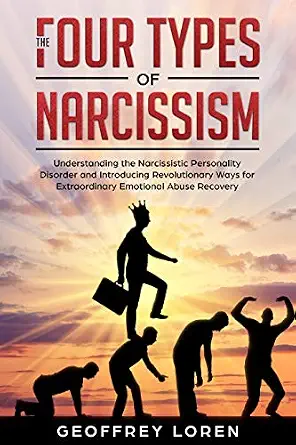
| The Four Types of Narcissism: | English | — |
| Antisocial | English | — |
| Understanding and Loving a Per | English | — |
| Antisocial | — | Theoretical and clinical overview |
| The Nature and Nurture of Narc | — | Biological and environmental factors |
| The Handbook of Narcissism and | — | — |
| It’s Not You: Identifying and | — | Practical identification and healing |
| The Covert Passive-Aggressive | — | Covert narcissism and emotional abuse |
| Rethinking Narcissism: The Sec | Accessible, clinically informed | Understanding narcissism spectrum |
| The Everything Guide to Narcis | Clear, accessible, professional | Managing NPD in daily settings |
More Details on Our Top Picks
Personality Disorders and Mental Illnesses: The Truth About Psychopaths, Sociopaths, and Narcissists
This book stands out for providing a broad yet accessible overview of various personality disorders, including narcissism, psychopathy, and sociopathy. Compared with specialized texts like The Handbook of Narcissism and Narcissistic Personality Disorder, it offers foundational insights suitable for beginners. However, it lacks detailed case studies or technical depth, making it less ideal for mental health professionals seeking advanced information. Its strength lies in educating those new to the field or curious about mental illnesses and narcissism’s traits, but it offers limited practical strategies for healing or therapy. This pick makes the most sense for general readers and students seeking a comprehensive introduction.
Pros:- Provides clear, accessible explanations of personality disorders
- Good introductory resource for mental health awareness
- Educational and easy to understand for lay readers
Cons:- Lacks detailed technical or clinical content
- No reviews or ratings to gauge credibility
- Limited depth for professionals or advanced students
Best for: Readers new to mental health topics, students, or casual learners interested in understanding narcissistic traits
Not ideal for: Experienced clinicians or those seeking in-depth treatment strategies or technical details
- Language:English
- Page Count:Unknown
- Publication Year:Unknown
Our verdict“This book is ideal for beginners and casual readers seeking a broad overview of narcissism and related personality disorders.”
Narcissistic Abuse: A Therapist’s Guide to Identifying, Escaping, and Healing from Toxic and Manipulative People
Compared with The Four Types of Narcissism, which focuses more on understanding narcissistic traits and recovery strategies, this book emphasizes practical guidance for escaping toxic relationships. It is especially useful for individuals who feel trapped or emotionally harmed by narcissists, offering actionable steps and coping mechanisms. Its focus on healing makes it less suitable for mental health professionals seeking scholarly analysis, and the absence of detailed case studies may limit its usefulness for clinical work. This pick is best for those actively trying to recover from narcissistic abuse or seeking emotional safety tips.
Pros:- Provides clear, practical advice for escaping toxic relationships
- Helps readers understand manipulative behaviors
- Useful for both therapists and individuals in recovery
Cons:- No detailed case studies or clinical data
- Limited focus on theoretical understanding of narcissism
- Lacks specific edition or publication details
Best for: Individuals experiencing narcissistic abuse looking for straightforward recovery strategies
Not ideal for: Professionals seeking academic or theoretical insights into narcissism
- Language:English
- Page Count:Unknown
- Publication Year:Unknown
Our verdict“This book is ideal for those seeking practical, actionable steps to heal from narcissistic abuse and regain emotional health.”
The Four Types of Narcissism: Understanding Narcissistic Personality Disorder and Recovery Strategies
This book distinguishes itself by categorizing narcissism into four distinct types, offering a nuanced understanding that surpasses general overviews like Personality Disorders and Mental Illnesses. Its innovative recovery strategies are especially useful for those who want tailored approaches to healing emotional wounds. However, it lacks detailed specifications or empirical backing, which might leave some readers craving more scientific validation. This makes it a strong choice for emotionally motivated readers but less so for clinicians requiring comprehensive clinical data. This pick is particularly suited for individuals seeking a deeper understanding of narcissism’s variants and personalized recovery methods.
Pros:- Provides a detailed exploration of four narcissism types
- Offers innovative and tailored recovery strategies
- Helps readers understand complex emotional dynamics
Cons:- Lacks detailed technical specifications
- No customer reviews or ratings available
- Limited scientific validation or empirical evidence
Best for: Readers interested in understanding different narcissism types and applying targeted healing strategies
Not ideal for: Professionals needing detailed clinical frameworks or empirical research data
- Language:English
- Page Count:Unknown
- Publication Year:Unknown
Our verdict“This book is best for emotionally invested readers wanting a nuanced view of narcissistic types and recovery options.”
Antisocial, Borderline, Narcissistic and Histrionic Workbook: Treatment Strategies for Cluster B Personality Disorders
Compared with The Four Types of Narcissism, which focuses on understanding and recovery, this workbook emphasizes practical treatment techniques for mental health professionals and motivated individuals dealing with Cluster B disorders. It offers exercises and strategies that can be integrated into therapy, making it more hands-on. Its broad focus on multiple disorders might dilute the depth for narcissism-specific issues, and its lack of detailed content overview makes it harder to assess its suitability upfront. Nevertheless, for clinicians or serious self-help seekers, it provides valuable tools for managing narcissistic traits within a larger context of Cluster B disorders. This resource makes the most sense for practitioners or individuals seeking structured, actionable treatment exercises.
Pros:- Offers practical, structured treatment strategies
- Useful for clinicians and serious self-help users
- Covers multiple Cluster B disorders comprehensively
Cons:- Limited detail on specific narcissistic traits
- No detailed content overview available
- Lacks individual case examples
Best for: Mental health professionals and motivated individuals seeking practical therapy exercises for narcissism and related disorders
Not ideal for: Casual readers or those seeking purely theoretical knowledge without practical application
- Language:English
- Page Count:Unknown
- Publication Year:Unknown
Our verdict“This workbook is ideal for mental health providers and motivated individuals seeking structured exercises for managing narcissistic and related behaviors.”
Understanding and Loving a Person with Narcissistic Personality Disorder: Biblical and Practical Wisdom to Build Empathy, Preserve Boundaries, and Show Compassion
Unlike the more clinical or psychological titles like The Four Types of Narcissism, this book emphasizes biblical principles and practical advice for those in relationships with narcissists. It focuses on building empathy, maintaining healthy boundaries, and showing compassion, which makes it especially appealing for readers who prioritize faith-based guidance. Its approach is less technical but provides valuable emotional strategies for difficult relationships. However, it may not satisfy those seeking detailed psychological insights or scientific understanding, making it less suitable for mental health professionals. This book is best for faith-oriented individuals seeking compassionate ways to understand and love narcissistic loved ones.
Pros:- Provides biblical and practical guidance
- Focuses on building empathy and boundaries
- Offers compassionate strategies for difficult relationships
Cons:- Lacks technical or clinical details
- Content may be less relevant for secular audiences
- No specific features or technical info provided
Best for: Readers interested in faith-based approaches and practical compassion strategies for loved ones with narcissism
Not ideal for: Mental health professionals or readers seeking scientific or clinical details
- Language:English
- Page Count:Unknown
- Publication Year:Unknown
Our verdict“This book is ideal for faith-driven readers seeking compassionate, relationship-centered approaches to narcissism.”
Antisocial, Narcissistic, and Borderline Personality Disorders
This book provides an extensive overview of antisocial, narcissistic, and borderline personality disorders, making it a valuable resource for those seeking a deep understanding of these complex conditions. Compared with The Handbook of Narcissism and Narcissistic Personality Disorder, which offers more empirical data and theoretical frameworks, this title leans toward clinical insights rather than practical treatment strategies. Its detailed exploration is especially useful for professionals or students but can be overwhelming for general readers due to its technical language and lack of case studies. In-depth explanations of causes and treatment options make it a strong academic resource, though the absence of illustrative examples limits accessibility for casual readers.
Pros:- Provides detailed understanding of multiple personality disorders
- Useful for mental health practitioners and students
- Covers causes, characteristics, and treatment options comprehensively
Cons:- Lacks detailed case studies to illustrate concepts
- Highly technical language may be difficult for lay readers
Best for: Mental health professionals and graduate students studying personality disorders
Not ideal for: General readers without a clinical background who seek practical advice or personal insights
- Intended Audience:Mental health professionals and students
- Focus:Theoretical and clinical overview
- Depth:Advanced, technical
Our verdict“This book is ideal for clinicians and students needing a detailed, technical overview of complex personality disorders.”
The Nature and Nurture of Narcissism: Understanding Narcissistic Personality Disorder from the Perspective of Gene-Environment Interaction
This book stands out for integrating biological and environmental factors in the development of narcissistic personality disorder, making it especially valuable for those interested in the roots of narcissism. Unlike The Handbook of Narcissism and Narcissistic Personality Disorder, which emphasizes clinical approaches and treatments, this title digs into genetic and environmental interactions, providing a more scientific perspective. While it offers a nuanced understanding suitable for professionals and advanced students, it shares the same shortcoming of limited case studies, which can make the material feel abstract for non-specialists. The gene-environment approach makes this a compelling read for those wanting a research-based foundation but less so for readers seeking practical healing advice.
Pros:- Provides a comprehensive, research-based understanding of narcissism
- Highlights gene-environment interactions clearly
- Suitable for academic and professional audiences
Cons:- Limited case studies or real-world examples
- Technical language may challenge general readers
Best for: Psychology students, researchers, and clinicians interested in etiology
Not ideal for: Readers seeking practical recovery strategies or personal stories about narcissism
- Focus:Biological and environmental factors
- Target Audience:Researchers and psychology students
- Complexity:High, research-oriented
Our verdict“This book is best suited for those seeking a scientific understanding of narcissism’s roots rather than practical treatment advice.”
The Handbook of Narcissism and Narcissistic Personality Disorder: Theoretical Approaches, Empirical Findings, and Treatments
This comprehensive resource covers a wide range of theories, research findings, and treatment methods related to narcissism, making it the most detailed book in the lineup. Compared to It’s Not You, which offers practical advice, this handbook dives into empirical studies and theoretical models, making it ideal for professionals who need an authoritative reference. Its depth and breadth mean it may be too dense for casual readers or those new to the topic, but it’s invaluable for clinicians and researchers seeking a solid foundation. The tradeoff is the dense, jargon-heavy content that can be overwhelming for non-specialists.
Pros:- Extensive coverage of theories and empirical research
- Provides a detailed overview of treatment options
- A valuable reference for clinical practice and academic study
Cons:- Too technical for casual or non-professional readers
- Requires prior knowledge to fully understand complex concepts
Best for: Clinicians, researchers, and graduate students in psychology
Not ideal for: General readers or individuals looking for quick, practical guidance on narcissistic relationships
- Approach:Theoretical, empirical, and treatment-focused
- Target Audience:Clinicians and academic researchers
- Readability:Highly technical
Our verdict“This handbook is ideal for mental health professionals and researchers requiring an in-depth, scholarly resource on narcissism.”
It’s Not You: Identifying and Healing from Narcissistic People
This book offers practical guidance on recognizing and recovering from relationships with narcissistic individuals, making it accessible for readers seeking actionable advice. Unlike the highly technical The Handbook of Narcissism, this title focuses on emotional well-being and real-world strategies. It is particularly useful for those who feel trapped in toxic dynamics and want clear steps to heal. However, the lack of in-depth case studies and limited content details may leave some readers wanting more context or personal stories. The straightforward approach makes it a good starting point for emotional recovery but less suitable for those interested in the underlying psychological theories.
Pros:- Clear guidance on identifying narcissistic behaviors
- Practical strategies for healing and emotional recovery
- Accessible language suitable for lay readers
Cons:- Limited content depth and lack of detailed case examples
- Does not address underlying psychological theories extensively
Best for: Individuals recovering from narcissistic relationships or emotional abuse
Not ideal for: Readers seeking an academic or clinical analysis of narcissism
- Focus:Practical identification and healing
- Audience:People in toxic relationships or emotional recovery
- Content Depth:Basic, accessible
Our verdict“This book is well-suited for individuals looking for practical, straightforward advice on healing from narcissistic abuse.”
The Covert Passive-Aggressive Narcissist: Recognizing the Traits and Finding Healing After Hidden Emotional and Psychological Abuse
This book provides a detailed look into the traits of covert passive-aggressive narcissists, offering vital insights for those affected by hidden emotional abuse. Compared with It’s Not You, which emphasizes practical recovery steps, this title explores the psychological underpinnings of covert narcissism, making it especially useful for therapists or victims trying to understand subtle manipulative behaviors. Its focus on recognition and healing from psychological abuse makes it less suitable for casual readers or those new to narcissism, as it can be quite dense. Nonetheless, its in-depth analysis of covert traits makes it a valuable resource for targeted recovery.
Pros:- In-depth understanding of covert narcissistic traits
- Provides practical guidance for recognizing and healing
- Helpful for victims and therapists alike
Cons:- Can be dense and challenging for casual readers
- No specific features or editions listed, limiting flexibility
Best for: Victims of covert narcissistic abuse and mental health professionals working with such clients
Not ideal for: Readers seeking quick, simple advice or those unfamiliar with psychological terminology
- Focus:Covert narcissism and emotional abuse
- Audience:Victims and mental health professionals
- Complexity:High, detailed
Our verdict“This book is best for those dealing with covert narcissistic abuse and professionals seeking detailed insights into hidden manipulative behaviors.”
Rethinking Narcissism: The Secret to Recognizing and Coping with Narcissists
This book stands out for its thorough exploration of narcissistic behaviors, making it ideal for readers seeking a nuanced understanding of narcissism beyond superficial labels. Compared to The Everything Guide to Narcissistic Personality Disorder, which offers broad advice, Rethinking Narcissism dives deeper into the spectrum of narcissistic traits, helping readers recognize subtle signs. Its strength lies in the author’s expertise as a psychologist, providing credible strategies for coping. However, it lacks detailed product specs and practical exercises, which could limit its usefulness for those wanting step-by-step guidance. The absence of customer ratings makes it harder to gauge real-world applicability. This pick is best for individuals who want an in-depth, psychologically grounded understanding of narcissism.
Pros:- Provides a comprehensive understanding of narcissism across a spectrum
- Offers practical, evidence-based coping strategies
- Written by a psychologist with real expertise in the field
Cons:- Lacks detailed product specifications and practical exercises
- No available price or customer ratings, limiting assessment of value
Best for: Readers seeking detailed psychological insights and coping strategies grounded in clinical expertise
Not ideal for: Beginners or those preferring quick, practical tips without in-depth theory
- Author:Dr. Craig Malkin
- Focus:Understanding narcissism spectrum
- Approach:Psychological and practical
- Target audience:Self-help enthusiasts, psychology students
- Language:Accessible, clinically informed
Our verdict“This book is best suited for readers who want a deep, expert-driven analysis of narcissism and practical coping methods.”
The Everything Guide to Narcissistic Personality Disorder: Professional, Reassuring Advice for Coping at Work, Home, and with Family
This book excels in delivering clear, professional guidance tailored to managing narcissistic behaviors across different environments, making it highly practical for those dealing with NPD at work or within families. Unlike Rethinking Narcissism, which emphasizes understanding, this guide emphasizes actionable advice for everyday situations, offering reassurance and strategies. Its comprehensiveness across settings is a major strength, but it falls short in providing detailed content depth or specific practical exercises, which could leave some readers wanting more hands-on tools. The language may also be complex for some, potentially reducing accessibility. This book is ideal for individuals seeking straightforward, credible advice to handle narcissistic behaviors in real-world contexts.
Pros:- Offers comprehensive guidance across various settings
- Written by a mental health professional, adding credibility
- Practical advice that can be applied immediately
Cons:- Lacks detailed content on practical exercises or step-by-step strategies
- Potentially complex language may challenge some readers
Best for: People dealing with narcissistic behaviors in work and family environments who want clear, professional guidance
Not ideal for: Readers looking for in-depth psychological theory or step-by-step therapy exercises
- Author:Shirley Glass
- Focus:Managing NPD in daily settings
- Approach:Professional and reassuring
- Intended audience:Individuals dealing with narcissists at work and home
- Language:Clear, accessible, professional
Our verdict“This book makes the most sense for those who need credible, straightforward advice to manage narcissistic behaviors day-to-day.”

How We Picked
These books were selected based on a combination of expert reviews, popularity, clarity of content, and practical usefulness. We prioritized titles that balance scientific accuracy with readability, ensuring they are accessible to both lay readers and professionals. The ranking also considers the diversity of perspectives—clinical, spiritual, and self-help—to cater to different buyer needs. Books that focus on actionable advice and real-world application were favored, as these tend to be most helpful for readers facing challenging relationships or seeking recovery. The goal was to identify titles that stand out for their contribution to understanding and managing narcissistic personality disorder.
| narcissistic personality disorder book | Language | Focus |
|---|---|---|
| Personality Disorders and Ment | English | — |
| Narcissistic Abuse: A Therapis | English | — |
| The Four Types of Narcissism: | English | — |
| Antisocial | English | — |
| Understanding and Loving a Per | English | — |
| Antisocial | — | Theoretical and clinical overview |
| The Nature and Nurture of Narc | — | Biological and environmental factors |
| The Handbook of Narcissism and | — | — |
| It’s Not You: Identifying and | — | Practical identification and healing |
| The Covert Passive-Aggressive | — | Covert narcissism and emotional abuse |
| Rethinking Narcissism: The Sec | Accessible, clinically informed | Understanding narcissism spectrum |
| The Everything Guide to Narcis | Clear, accessible, professional | Managing NPD in daily settings |
Factors to Consider When Choosing Narcissistic Personality Disorder Books
Choosing the right narcissistic personality disorder book depends on your specific needs—whether you’re seeking scientific insight, practical coping strategies, or a compassionate perspective. Consider how much background knowledge you want, your preferred tone, and whether you need a guide for healing or understanding. The following factors will help you evaluate options more effectively and avoid common pitfalls like choosing overly technical or overly simplistic titles.
Level of Detail and Depth
Some books provide a broad overview suitable for beginners, while others delve into complex psychological theories and research. Consider your familiarity with mental health topics—if you’re new to NPD, opting for a straightforward, approachable guide will be less overwhelming. Conversely, professionals or those with prior knowledge may prefer titles with in-depth analysis. Balancing depth with readability ensures you get value without feeling lost or bored.
Practicality and Actionability
Books that include practical advice, coping strategies, or healing exercises tend to be more useful for those actively dealing with narcissistic relationships. Be wary of overly academic titles that lack actionable insights, especially if your goal is recovery or self-help. Clarify whether you want a book that offers emotional support, therapeutic techniques, or theoretical understanding, and choose accordingly.
Author Credibility and Perspective
Assess the author’s background—clinical psychologists, therapists, or survivors can provide different insights. Books authored by mental health professionals tend to be more reliable, but survivor stories can offer compelling, real-world perspectives. Decide which perspective aligns best with your needs and be cautious of titles lacking credible sourcing or evidence-based content.
Format and Accessibility
Consider whether you prefer a concise guide, a detailed textbook, or an empathetic memoir. The format impacts your engagement—some readers thrive on quick, digestible chapters, while others want comprehensive coverage. Also, check if the book includes summaries, exercises, or visual aids, which can enhance understanding and retention.
Price and Value
Pricing varies widely, often reflecting depth and author expertise. While investing in a well-reviewed, in-depth book can be worthwhile, avoid overspending on titles that do not meet your specific needs. Look for options that strike a balance between quality and affordability, and consider whether a digital or paperback version offers better value for your situation.
Frequently Asked Questions
Is a more scientific book better for understanding narcissistic personality disorder?
Not necessarily. While scientific books provide a thorough understanding of NPD, they can be dense and difficult for general readers. If you’re new to the topic or seeking practical advice, a more accessible book that summarizes key concepts in plain language might be more effective. The best choice depends on your familiarity with psychological concepts and your goal—whether academic knowledge or actionable guidance.
Should I choose a book focused on recovery or one that explains narcissism?
This depends on your primary goal. If you’re dealing with a narcissist or want to heal from toxic relationships, books on recovery and coping strategies will be more helpful. Conversely, if you’re curious about the psychological roots and theories behind narcissism, a more explanatory or research-based title might suit you better. Clarifying your needs can guide you toward the most relevant resource.
Are memoir-style books useful for understanding NPD?
Memoir-style books can provide valuable emotional insights and real-world perspectives, especially if you’re seeking empathy or personal stories. However, they often lack scientific rigor or comprehensive strategies. Combining these with more clinical or self-help titles can offer a balanced understanding—memoirs humanize the condition while other books provide practical tools.
Can I rely on one book to understand all aspects of narcissistic personality disorder?
No single book is likely to cover every facet of NPD comprehensively. The best approach is to read a combination—one for scientific background, another for practical advice, and perhaps a third for personal stories. This layered understanding can help you grasp both the theoretical and emotional dimensions of the disorder, enabling more effective coping or treatment.
How do I choose a book if I am new to mental health topics?
If you’re just starting out, look for titles labeled as beginner-friendly or introductory. These often avoid jargon and focus on clear explanations, making complex concepts manageable. Avoid overly technical books initially, as they can be discouraging or confusing. As your understanding grows, you can explore more detailed or specialized titles.
Conclusion
For general readers seeking a comprehensive overview, the Best Overall pick offers a balanced, accessible introduction to narcissistic personality disorder. Those dealing with toxic relationships or seeking healing should consider titles like ‘Narcissistic Abuse’ for practical advice. Budget-conscious buyers or those new to mental health topics will appreciate more straightforward, beginner-friendly options. Professionals or advanced readers interested in detailed research should look toward scholarly works like ‘The Handbook of Narcissism’. Tailoring your choice to your specific needs ensures you’ll find a resource that truly supports your understanding or recovery journey.