Narcissism recovery books differ more than most buyers expect: some focus on identifying manipulative behavior, others on structured healing exercises, and a few blend spirituality or clinical theory into the process. After comparing 14 popular titles, Disarming the Narcissist stands out as the best overall pick for its practical communication strategies and balanced, therapy-informed approach. For readers who want hands-on exercises, The Narcissism Recovery Workbook offers the most structured path to healing, while Psychopath Free is the strongest choice for understanding the confusion left behind by emotionally abusive relationships. The main tradeoff in this category is between accessible self-help and clinically dense material — the deeper the expertise, the more demanding the read. Keep reading for the full breakdown, including who each book serves best and which ones to skip.

Turn your wind-down time into listening time
- Thousands of audiobooks, podcasts and originals
- Listen on your phone, tablet or Echo — also offline
- Cancel anytime
Key Takeaways
- Disarming the Narcissist earned the top spot because it is one of the few titles that teaches day-to-day interaction skills rather than only explaining what narcissism is.
- Workbooks like The Narcissism Recovery Workbook and the 4-in-1 Recovery bundle consistently outperformed narrative-style books for readers who need structure and written exercises.
- The most common weakness across this category is redundancy — several budget titles repeat the same list of red flags without offering a healing plan.
- Faith-based options (The First Will Be Last, The Narcissistic Abuse Recovery Bible) fill a real gap but only make sense for readers who want scripture woven into recovery.
- Clinically oriented titles like Traumatic Narcissism and Recovery demand more from the reader but reward that effort with deeper insight than self-help quick fixes provide.
| The First Will Be Last: A Biblical Perspective on Narcissism |  | Best Faith-Based Pick | Format: Paperback | Perspective: Biblical / faith-based | Primary Use: Personal reflection, counseling support | VIEW LATEST PRICE | See Our Full Breakdown |
| Disarming the Narcissist: Surviving and Thriving with the Self-Absorbed |  | Best for Ongoing Relationships | Format: Paperback / ebook | Approach: Psychotherapy-based communication strategies | Primary Focus: Managing ongoing relationships with narcissistic people | VIEW LATEST PRICE | See Our Full Breakdown |
| Gaslighting & Narcissistic Abuse Recovery: Recover from Emotional Abuse, Recognize Narcissists & Manipulators and Break Free Once and for All |  | Best for Breaking Free | Format: Paperback / ebook / audiobook | Primary Focus: Gaslighting recognition and exiting abusive relationships | Stage of Recovery: Early — during or immediately after the relationship | VIEW LATEST PRICE | See Our Full Breakdown |
| It’s Not You: Identifying and Healing from Narcissistic People |  | Best for Validation and Reassurance | Format: Hardcover / paperback / ebook / audiobook | Author Background: Licensed therapist writing for general readers | Primary Focus: Identification of narcissistic behavior plus emotional healing | VIEW LATEST PRICE | See Our Full Breakdown |
| Narcissism: Recognize, Overcome, and Transform Into a New Life Beyond a Narcissistic Relationship | 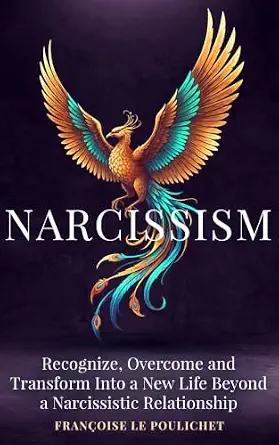 | Best for Life-Rebuilding | Format: Paperback / ebook | Structure: Three-stage arc: recognize, overcome, transform | Primary Focus: Post-relationship identity rebuilding and growth | VIEW LATEST PRICE | See Our Full Breakdown |
| The Highly Sensitive Person’s Guide to Dealing with Toxic People |  | Best for Empaths and Highly Sensitive Readers | Format: Paperback | Publisher: New Harbinger Publications | Target Audience: Highly sensitive persons | VIEW LATEST PRICE | See Our Full Breakdown |
| The Covert Passive-Aggressive Narcissist |  | Best for Recognizing Hidden Abuse | Format: Paperback | Genre: Self-help / abuse recovery | Core Focus: Covert passive-aggressive narcissism | VIEW LATEST PRICE | See Our Full Breakdown |
| Narcissistic Abuse Recovery: The 11 Laws to Self-Mastery |  | Best Structured Framework | Format: Paperback / digital | Structure: 11 sequential laws | Core Focus: Self-mastery after narcissistic abuse | VIEW LATEST PRICE | See Our Full Breakdown |
| The Narcissism Recovery Workbook: Skills for Healing from Emotional Abuse |  | Best Hands-On Workbook | Format: Paperback workbook | Content Type: Exercises, prompts, and skills practice | Core Focus: Healing from emotional abuse | VIEW LATEST PRICE | See Our Full Breakdown |
| Traumatic Narcissism and Recovery (Relational Perspectives Book Series) |  | Best Clinical Deep Dive | Format: Paperback / hardcover | Series: Relational Perspectives Book Series | Genre: Clinical / psychoanalytic psychology | VIEW LATEST PRICE | See Our Full Breakdown |
| The Narcissistic Abuse Recovery Bible: Spiritual Recovery from Narcissistic and Emotional Abuse |  | Best Faith-Based Healing Pick | Format: Paperback | Primary Focus: Spiritual and emotional recovery from narcissistic abuse | Approach: Faith-based guidance with healing strategies | VIEW LATEST PRICE | See Our Full Breakdown |
| POWER: Surviving and Thriving After Narcissistic Abuse |  | Best for Deep Understanding of Malignant Narcissism | Format: Paperback | Primary Focus: Malignant narcissism and recovery from emotional abuse | Structure: Essay collection with recovery strategies | VIEW LATEST PRICE | See Our Full Breakdown |
| Recovery from Narcissistic Abuse, Gaslighting, Codependency, and Complex PTSD (4 Books in 1): Workbook and Guide to Overcome Trauma, Toxic Relationships, and Heal |  | Best Value Bundle | Format: Kindle / Paperback (4 Books in 1) | Primary Focus: Narcissistic abuse, gaslighting, codependency, complex PTSD | Structure: Workbook and guide with practical exercises | VIEW LATEST PRICE | See Our Full Breakdown |
| Psychopath Free (Expanded Edition): Recovering from Emotionally Abusive Relationships with Narcissists, Sociopaths, and Other Toxic People |  | Best for Understanding Manipulative Abusers | Format: Paperback, Expanded Edition | Primary Focus: Recovery from emotionally abusive relationships | Abuser Types Covered: Narcissists, sociopaths, and other toxic people | VIEW LATEST PRICE | See Our Full Breakdown |
| narcissism recovery book | Format | Primary Focus | Approach |
|---|---|---|---|
| The First Will Be Last: A Bibl | Paperback | — | — |
| Disarming the Narcissist: Surv | Paperback / ebook | Managing ongoing relationships with narcissistic people | Psychotherapy-based communication strategies |
| Gaslighting & Narcissistic Abu | Paperback / ebook / audiobook | Gaslighting recognition and exiting abusive relationships | — |
| It’s Not You: Identifying and | Hardcover / paperback / ebook / audiobook | Identification of narcissistic behavior plus emotional healing | — |
| Narcissism: Recognize | Paperback / ebook | Post-relationship identity rebuilding and growth | — |
| The Highly Sensitive Person’s | Paperback | — | Practical strategies and boundary-setting |
| The Covert Passive-Aggressive | Paperback | — | Trait identification plus healing guidance |
| Narcissistic Abuse Recovery: T | Paperback / digital | — | Practical framework-based guidance |
| The Narcissism Recovery Workbo | Paperback workbook | — | — |
| Traumatic Narcissism and Recov | Paperback / hardcover | — | Theoretical analysis |
| The Narcissistic Abuse Recover | Paperback | Spiritual and emotional recovery from narcissistic abuse | Faith-based guidance with healing strategies |
| POWER: Surviving and Thriving | Paperback | Malignant narcissism and recovery from emotional abuse | — |
| Recovery from Narcissistic Abu | Kindle / Paperback (4 Books in 1) | Narcissistic abuse, gaslighting, codependency, complex PTSD | — |
| Psychopath Free | Paperback, Expanded Edition | Recovery from emotionally abusive relationships | Recognition of manipulation plus emotional recovery guidance |
More Details on Our Top Picks
The First Will Be Last: A Biblical Perspective on Narcissism
Most narcissism recovery books, like Disarming the Narcissist, lean on secular psychology, which leaves a gap for readers whose healing runs through their faith. This option fills that space by framing narcissistic behavior through scripture and spiritual insight, making it a natural companion for counseling ministries or personal devotional reflection. Compared with The Narcissistic Abuse Recovery Bible, it stays closer to character analysis than step-by-step healing exercises, so it works better as an understanding-first resource than a structured recovery program. The tradeoff is real: readers wanting clinical depth, diagnostic frameworks, or evidence-based techniques will find the psychological analysis thin here. What it does offer is coherence — a single spiritual lens applied consistently, which secular anthologies can’t replicate.
Pros:- Frames narcissism through a biblical lens rarely found in mainstream recovery titles
- Works well for counseling settings and guided personal reflection
- Encourages spiritual growth alongside relationship awareness
- Complements secular psychology books without duplicating them
Cons:- Minimal scientific or clinical grounding compared with psychology-first titles
- Sparse chapter-level detail makes it hard to gauge depth before buying
- Assumes Christian framing, limiting appeal for secular readers
Best for: Christian readers, pastors, and lay counselors who want narcissism explained through a biblical framework before or alongside secular recovery work
Not ideal for: Readers seeking clinical research, DSM-based analysis, or structured therapeutic exercises — this stays devotional rather than diagnostic
- Format:Paperback
- Perspective:Biblical / faith-based
- Primary Use:Personal reflection, counseling support
- Focus:Understanding narcissistic behavior spiritually
- Genre:Religion / Christian living / self-help
- Best Pairing:Works alongside a secular strategy guide like Disarming the Narcissist
Our verdict“Choose this if faith is central to your healing journey; skip it if you want a clinically grounded recovery manual.”
Disarming the Narcissist: Surviving and Thriving with the Self-Absorbed
Where most recovery titles assume you’re ready to leave, this one asks a different question: what if you can’t — or don’t want to? That makes it the standout choice for readers managing a narcissistic coworker, parent, or spouse they’ll keep encountering. Compared with Gaslighting & Narcissistic Abuse Recovery, which centers on escaping manipulation, this book emphasizes communication tactics and boundary-setting in daily contact, plus staying grounded when conversations turn hostile. Written from a psychotherapy background, it carries more clinical credibility than most self-published entries in this roundup. The tradeoff: if you’ve already exited the relationship and are deep in trauma processing, the de-escalation focus can feel like it’s teaching you to tolerate what you’ve already escaped. A workbook like The Narcissism Recovery Workbook would serve that stage better.
Pros:- Rare focus on surviving ongoing relationships rather than only exiting them
- Written from a professional psychotherapy perspective
- Concrete communication and boundary techniques, not just validation
- Emphasizes protecting your own mental state during difficult exchanges
Cons:- Less depth on trauma recovery and post-relationship healing
- Strategies demand consistency and practice, which can feel exhausting
- Sparse detail on chapter structure makes pre-purchase evaluation harder
Best for: Readers who must maintain contact with a narcissistic person — co-parents, adult children of narcissists, and coworkers — and need practical interaction strategies
Not ideal for: Post-separation readers focused purely on trauma healing, since the in-relationship tactics won’t match their situation
- Format:Paperback / ebook
- Approach:Psychotherapy-based communication strategies
- Primary Focus:Managing ongoing relationships with narcissistic people
- Core Skills:Boundary-setting, de-escalation, self-protection
- Audience Level:Intermediate — best after basic understanding of narcissism
- Publisher Series:New Harbinger self-help line
Our verdict“The smartest pick if the narcissist is staying in your life and you need tactics, not just validation.”
Gaslighting & Narcissistic Abuse Recovery: Recover from Emotional Abuse, Recognize Narcissists & Manipulators and Break Free Once and for All
Of the general-purpose recovery titles in this roundup, this one is the most escape-oriented. Its promise — recognizing manipulation and breaking free permanently — targets readers still inside the fog of abuse rather than those already out. Compared with It’s Not You, which leans on reassurance and identifying narcissistic patterns, this book pushes further into action: naming gaslighting tactics, disengaging, and rebuilding. That makes it a strong first purchase for anyone questioning their own reality in a current relationship. The tradeoff is breadth over depth — the long subtitle promises a lot, and readers deep into complex PTSD symptoms may find the coverage lighter than a dedicated bundle like Recovery from Narcissistic Abuse, Gaslighting, Codependency, and Complex PTSD. Think of it as the ignition, not the whole engine.
Pros:- Directly addresses gaslighting recognition, a gap in many competitor titles
- Structured around the escape sequence: recognize, disengage, recover
- Empowering tone suited to readers doubting their own perceptions
- Accessible entry point into narcissistic abuse literature
Cons:- Broad scope means each topic gets limited depth
- Little information on author credentials or editions
- Overlaps heavily with the market’s many similar escape-focused titles
Best for: Readers currently in a manipulative relationship who need help recognizing gaslighting and building the resolve to leave
Not ideal for: Readers already out and dealing with layered trauma or C-PTSD, who need deeper therapeutic material
- Format:Paperback / ebook / audiobook
- Primary Focus:Gaslighting recognition and exiting abusive relationships
- Stage of Recovery:Early — during or immediately after the relationship
- Core Topics:Emotional abuse, manipulation tactics, breaking free
- Tone:Empowering and action-oriented
- Reading Level:Accessible beginner
Our verdict“A strong starting point if you’re still in the relationship and need clarity on manipulation — pair it with a deeper trauma resource afterward.”
It’s Not You: Identifying and Healing from Narcissistic People
The title alone does therapeutic work: It’s Not You speaks directly to readers who’ve spent years internalizing blame. Compared with strategy-driven titles like Disarming the Narcissist, this book prioritizes validation and clarity over tactics — helping you see the narcissist’s behavior as the problem, then rebuilding your self-trust from that foundation. It comes from a major traditional publisher, which shows in the editing polish and consistency that many self-published recovery books lack. Coming from a therapist known for translating narcissism science for general audiences, it also carries more credibility than anonymous-author entries elsewhere in this roundup. The drawback is pacing: readers who’ve already read extensively on narcissistic abuse may find the identification chapters familiar, and the healing sections less workbook-structured than The Narcissism Recovery Workbook.
Pros:- Exceptionally validating framing that counters internalized self-blame
- Professionally authored and edited by a major publisher
- Clear, accessible explanations of narcissistic behavior patterns
- Bridges identification and healing in a single narrative
Cons:- Less tactical than communication-focused alternatives
- Healing guidance is narrative rather than workbook-structured
- Redundant for readers already fluent in narcissism basics
Best for: Readers early in recovery who need to hear that the abuse wasn’t their fault, especially those freshly questioning a relationship
Not ideal for: Well-read recovery veterans who’ve moved past identification and want structured exercises or clinical depth
- Format:Hardcover / paperback / ebook / audiobook
- Author Background:Licensed therapist writing for general readers
- Primary Focus:Identification of narcissistic behavior plus emotional healing
- Tone:Warm, validating, reassuring
- Publisher:Major traditional publisher
- Stage of Recovery:Early to mid
- Reading Level:Accessible mainstream
Our verdict“The best first book for anyone still wondering whether it was really them — reassuring, credible, and readable.”
Narcissism: Recognize, Overcome, and Transform Into a New Life Beyond a Narcissistic Relationship
Most titles in this roundup stop at recovery; this one pushes into what comes after. Its three-part arc — recognize, overcome, transform — means the back half is devoted to rebuilding identity and pursuing personal growth rather than re-litigating the abuse. That distinguishes it from Gaslighting & Narcissistic Abuse Recovery, which concentrates its energy on recognition and escape, and makes this the better follow-up read once you’re physically out and wondering who you are now. The tradeoff cuts both ways: less page time on manipulation tactics means readers still entangled may not find enough tactical support here, and the sparse author and edition information makes it harder to vet credibility against professionally published options like It’s Not You. For forward-looking readers, though, the growth orientation is exactly what most recovery books skip.
Pros:- Extends beyond recovery into genuine personal transformation
- Three-stage structure gives a clear arc from awareness to growth
- Emphasizes rebuilding identity, not just symptom relief
- Works well as a second-stage read after an escape-focused book
Cons:- Lighter on manipulation tactics and escape strategy than competitors
- Minimal author and edition information to verify credentials
- May feel premature for readers still processing acute trauma
Best for: Readers who have exited the relationship and want a forward-focused guide to rebuilding identity and purpose
Not ideal for: Readers still inside the relationship who need escape tactics and manipulation-recogniton tools first
- Format:Paperback / ebook
- Structure:Three-stage arc: recognize, overcome, transform
- Primary Focus:Post-relationship identity rebuilding and growth
- Stage of Recovery:Late — after leaving the relationship
- Tone:Forward-looking and growth-oriented
- Best Pairing:Sequel read to an escape-focused title like Gaslighting & Narcissistic Abuse Recovery
Our verdict“Best read after you’re out — it’s the roundup’s strongest choice for turning survival into a rebuilt life.”
The Highly Sensitive Person’s Guide to Dealing with Toxic People
Most narcissism recovery books assume a one-size-fits-all reader, but this one starts from a specific premise: highly sensitive people absorb manipulation differently than everyone else. Where Disarming the Narcissist teaches general boundary-setting tactics, this guide tailors every strategy to readers who feel overwhelmed by confrontation, which changes the advice from “just walk away” to how to walk away without guilt spiraling. The emphasis on reclaiming emotional power gives it a practical, skills-based structure rather than pure validation. The tradeoff is focus: readers who aren’t highly sensitive may find the framing repetitive or beside the point. Compared with the Narcissism Recovery Workbook, it reads more like coaching than structured exercises, so expect reflection prompts rather than fill-in worksheets.
Pros:- Strategies tailored specifically to highly sensitive temperaments rather than generic advice
- Strong focus on boundary-setting without guilt, a common hurdle for empaths
- Frames recovery around reclaiming personal power, not just escaping abuse
- Accessible tone suited to readers new to the topic
Cons:- The HSP framing narrows relevance for readers who don’t identify as highly sensitive
- Light on clinical depth compared with academic-leaning picks like Traumatic Narcissism and Recovery
Best for: Empaths and highly sensitive readers who freeze up during conflict and need gentle, boundary-focused tactics
Not ideal for: Readers wanting dense clinical research or a structured workbook format — this is coaching-style advice, not data or exercises
- Format:Paperback
- Publisher:New Harbinger Publications
- Target Audience:Highly sensitive persons
- Core Focus:Toxic people, narcissists, manipulators
- Approach:Practical strategies and boundary-setting
- Primary Outcome:Reclaiming emotional power
- Reading Style:Self-help coaching format
Our verdict“If you feel things deeply and traditional assertiveness advice never worked for you, this is the recovery guide built for your wiring.”
The Covert Passive-Aggressive Narcissist
Plenty of recovery books tackle the loud, grandiose narcissist, but this one addresses the quieter problem: abuse that never announces itself. Its strength is naming the covert, passive-aggressive pattern — sulking, stonewalling, backhanded compliments — that readers often can’t articulate. Compared with Psychopath Free, which spans a wide range of toxic personalities, this book goes narrow and deep on one subtype, making it the better pick when you keep asking “was I even abused?” The validation-first approach is powerful for readers just naming their experience, though that same quality means healing content is lighter than recognition content. Some sections repeat earlier points, which helps the message land but can test patience for readers further along in recovery who, unlike the audience for It’s Not You, already know what happened to them.
Pros:- Rare, focused treatment of covert narcissism rather than the stereotypical grandiose type
- Gives readers language for abuse that felt invisible or deniable
- Validating tone well suited to the early stages of recovery
- Shorter and more digestible than clinical texts
Cons:- Recognition-heavy with comparatively little structured healing guidance
- Can feel repetitive for readers who have already identified their abuse pattern
Best for: Readers recovering from subtle, hard-to-name emotional abuse who need validation and a vocabulary before healing work
Not ideal for: Readers past the recognition stage who want structured recovery exercises — the workbook format of the Narcissism Recovery Workbook serves that goal better
- Format:Paperback
- Genre:Self-help / abuse recovery
- Core Focus:Covert passive-aggressive narcissism
- Secondary Focus:Psychological and emotional abuse recognition
- Approach:Trait identification plus healing guidance
- Reading Level:Accessible, non-clinical
Our verdict“Read this when you’re still doubting your own perceptions — it’s the strongest pick for putting a name to hidden abuse.”
Narcissistic Abuse Recovery: The 11 Laws to Self-Mastery
The selling point here is architecture: instead of essays or personal stories, the book organizes recovery into eleven numbered laws, which appeals to readers who want a clear progression rather than open-ended reflection. Compared with Gaslighting & Narcissistic Abuse Recovery, which moves through recognition and breaking free, this pick leans further into self-mastery — rebuilding identity after the exit rather than the mechanics of leaving. That makes it a strong second book after a recognition-focused read like The Covert Passive-Aggressive Narcissist. The honest drawback is youth: with a limited track record and few reviews, you’re betting on the framework sight unseen, where established titles carry more proof. Gaslighting coverage exists but isn’t the deepest in this lineup, so readers specifically unraveling manipulation tactics may want a companion text.
Pros:- Numbered, sequential laws give recovery a clear roadmap rather than vague themes
- Strong emphasis on self-mastery and rebuilding identity post-relationship
- Covers gaslighting and emotional manipulation within the framework
- Compact structure makes progress easy to track
Cons:- Few or no customer reviews, so quality is harder to verify before buying
- Framework format is prescriptive — readers wanting narrative or clinical depth may find it rigid
Best for: Readers already out of the relationship who want a step-by-step framework for rebuilding confidence and identity
Not ideal for: Readers who rely on community-validated recommendations — the book has minimal review history and an unproven track record
- Format:Paperback / digital
- Structure:11 sequential laws
- Core Focus:Self-mastery after narcissistic abuse
- Topics Covered:Gaslighting, emotional manipulation, toxic relationships
- Approach:Practical framework-based guidance
- Track Record:Newer release, limited reviews
Our verdict“A good fit for action-oriented readers who want recovery broken into numbered steps, provided they’re comfortable with a newer, less-proven title.”
The Narcissism Recovery Workbook: Skills for Healing from Emotional Abuse
Reading about recovery and practicing it are different jobs, and this book is built for the second one. Where Power: Surviving and Thriving After Narcissistic Abuse delivers narrative motivation, this workbook forces participation — exercises, prompts, and skill-building that turn insight into behavior change. The self-esteem rebuilding thread gives it staying power beyond the initial recognition phase, making it a natural companion to the Covert Passive-Aggressive Narcissist book: read that to name the abuse, work through this to heal it. The tradeoff is that workbooks demand effort — passive readers who want validation and explanation will stall out, and there’s little narrative storytelling to carry you through. As a newer release with a thin review base, it lacks the community endorsement of older standbys in this category.
Pros:- Structured exercises convert insight into actual behavior change
- Dedicated self-esteem rebuilding content, not just abuse recognition
- Practical skills format works well alongside therapy
- Organization supports steady, week-by-week progress
Cons:- Requires active participation — skim readers get little from it
- Limited review history compared with established recovery titles
Best for: Readers ready to actively do the work — journaling, exercises, and skill practice — rather than passively read about recovery
Not ideal for: Readers in early shock or those wanting narrative comfort and validation — exercises can feel like homework before you’re ready
- Format:Paperback workbook
- Content Type:Exercises, prompts, and skills practice
- Core Focus:Healing from emotional abuse
- Secondary Focus:Rebuilding self-esteem
- Best Use:Active recovery work, therapy companion
- Track Record:Newer release, limited reviews
Our verdict“The pick for readers who learn by doing; pair it with a recognition-focused book and you have a complete recovery pipeline.”
Traumatic Narcissism and Recovery (Relational Perspectives Book Series)
This is the academic heavyweight of the lineup. Part of the respected Relational Perspectives Book Series, it approaches traumatic narcissism through a psychoanalytic lens, which makes it the go-to for readers who want theory, not affirmations. Compared with accessible picks like It’s Not You, the density is a genuine filter: clinicians, students, and analytically minded survivors will get a richer model of how narcissistic relating entangles the self, while casual readers may bounce off the jargon. Its strength is explanatory depth — it reframes the abuse dynamic rather than just labeling it — but it offers less hand-holding than the Narcissism Recovery Workbook and no exercises at all. Think of it as the book that explains why recovery is hard, paired with a practical title that shows how.
Pros:- Rigorous clinical framework absent from most popular recovery titles
- Published within a reputable psychoanalytic series, lending credibility
- Explains the relational mechanics of traumatic narcissism, not just symptoms
- Valuable professional reference for clinicians treating abuse survivors
Cons:- Dense, jargon-heavy prose inaccessible to general readers
- No exercises or practical recovery steps — theory only
- Academic pricing runs higher than mass-market self-help
Best for: Therapists, psychology students, and analytically inclined survivors who want theoretical depth on the abuse dynamic itself
- Format:Paperback / hardcover
- Series:Relational Perspectives Book Series
- Genre:Clinical / psychoanalytic psychology
- Core Focus:Traumatic narcissism and recovery theory
- Audience:Clinicians, students, advanced readers
- Approach:Theoretical analysis
- Exercises Included:No
Our verdict“Buy it for understanding, not comfort — the deepest pick here for readers who want the clinical why behind traumatic narcissism.”
The Narcissistic Abuse Recovery Bible: Spiritual Recovery from Narcissistic and Emotional Abuse
This option stands out for readers whose recovery journey is rooted in faith and spirituality rather than clinical frameworks. Where Psychopath Free leans on psychology and community-driven insight, this book frames healing as a spiritual process, pairing emotional recovery strategies with biblical grounding and self-esteem rebuilding after toxic relationships. That framing is its greatest strength and its biggest limitation: buyers seeking worksheets, step-by-step exercises, or structured daily plans will find it thin on practical mechanics compared with the Recovery from Narcissistic Abuse 4-in-1 workbook. This pick makes the most sense for readers who already view healing through a religious lens and want reassurance woven into their recovery, not a secular treatment manual.
Pros:- Integrates spiritual guidance with emotional recovery
- Directly addresses rebuilding self-esteem after abuse
- Accessible, comfort-oriented tone for readers early in healing
- Well suited to readers who found secular recovery books cold or impersonal
Cons:- Lacks detailed practical steps and exercises
- Faith-based framing will not resonate with secular readers
- Sparse edition and publication details make sourcing difficult
Best for: Christian readers who want faith-integrated guidance for rebuilding self-esteem after narcissistic or emotional abuse
Not ideal for: Readers who want structured exercises and secular, clinical recovery tools — the practical steps here are light
- Format:Paperback
- Primary Focus:Spiritual and emotional recovery from narcissistic abuse
- Approach:Faith-based guidance with healing strategies
- Key Topics:Emotional abuse recovery, self-esteem rebuilding
- Audience:Readers seeking spiritually oriented healing
- Includes Exercises:No
Our verdict“Choose this if your healing is anchored in faith and you want spiritual reassurance alongside recovery — skip it if you need a structured, secular workbook.”
POWER: Surviving and Thriving After Narcissistic Abuse
Compared with broader entry points like It’s Not You, POWER goes deeper into malignant narcissism specifically, using essays to dissect the psychology of severe emotional abuse before turning to recovery strategies. This depth is exactly why it earns its place: readers who have already read a general primer and still feel confused by what happened to them will find the unflinching analysis here clarifying. The tradeoff is emotional weight — the essays pull no punches, and readers newly out of an abusive relationship may find the intensity destabilizing rather than healing. It also reads more like reflective essays than a program, so anyone wanting the exercise-driven structure of The Narcissism Recovery Workbook should pair this with that title rather than rely on it alone.
Pros:- In-depth essays on malignant narcissism rarely covered elsewhere
- Blends psychological analysis with recovery strategies
- Written by an experienced author with deep subject familiarity
- Validating for readers whose abuse was extreme or hard to name
Cons:- Emotionally intense content may overwhelm early-stage survivors
- Essay format lacks step-by-step exercises
- Minimal product details and specifications provided
Best for: Readers further along in recovery who want a rigorous, essay-driven understanding of malignant narcissism
Not ideal for: Readers freshly out of an abusive relationship who need gentle, exercise-based guidance — the content can be emotionally intense
- Format:Paperback
- Primary Focus:Malignant narcissism and recovery from emotional abuse
- Structure:Essay collection with recovery strategies
- Depth Level:Intermediate to advanced
- Key Topics:Malignant narcissism, emotional abuse, healing strategies
- Includes Exercises:No
Our verdict“Pick this for depth and validation after severe abuse — but wait until you’re stable enough to handle its intensity.”
Recovery from Narcissistic Abuse, Gaslighting, Codependency, and Complex PTSD (4 Books in 1): Workbook and Guide to Overcome Trauma, Toxic Relationships, and Heal
On a cost-per-topic basis, this 4-in-1 bundle is hard to beat: it covers narcissistic abuse, gaslighting, codependency, and complex PTSD in a single purchase, where buying separate titles like The Covert Passive-Aggressive Narcissist plus a C-PTSD book would cost far more. The workbook format is the real draw — practical exercises turn abstract trauma concepts into things you actively do, which matters for readers who stall with purely explanatory books like POWER. The tradeoff is breadth over depth: four subjects in one volume means each gets less nuance than a dedicated single-topic title, and the self-published origin shows in thinner editorial polish. Without customer ratings to consult, buyers are relying on the structure itself — a reasonable bet if you want an affordable all-in-one starting point, less so if you need expert authority on any one condition.
Pros:- Four recovery topics covered in one purchase at strong value
- Workbook format with practical, hands-on exercises
- Addresses overlapping conditions that often occur together
- Self-directed structure suits readers working through healing independently
Cons:- Breadth comes at the cost of depth on each topic
- No customer ratings or reviews available to verify quality
- Less editorial polish than traditionally published alternatives
Best for: Budget-conscious readers who want a single affordable purchase covering multiple overlapping issues — abuse, gaslighting, codependency, and C-PTSD
Not ideal for: Readers who need authoritative depth on one specific condition like complex PTSD — dedicated single-topic books go deeper
- Format:Kindle / Paperback (4 Books in 1)
- Primary Focus:Narcissistic abuse, gaslighting, codependency, complex PTSD
- Structure:Workbook and guide with practical exercises
- Coverage:Four recovery topics in one volume
- Key Topics:Trauma recovery, toxic relationships, emotional well-being
- Includes Exercises:Yes
Our verdict“The smart pick if you want maximum coverage and active exercises for the money — just don’t expect specialist-level depth on any single condition.”
Psychopath Free (Expanded Edition): Recovering from Emotionally Abusive Relationships with Narcissists, Sociopaths, and Other Toxic People
This pick makes the most sense for readers trying to make sense of a confusing, manipulative relationship — its strength lies in explaining the abuse cycle in language survivors immediately recognize, across a wider range of toxic personalities than narcissism alone. Compared with Disarming the Narcissist, which focuses on managing ongoing contact, Psychopath Free is built for people who are out or getting out and need to understand what happened. The expanded edition adds material that deepens the original’s recovery guidance. Its limitation is the mirror image of its strength: it prioritizes recognition and emotional validation over concrete recovery exercises, so readers who finish it still wanting a structured healing program should follow up with The Narcissism Recovery Workbook. Sparse product details also mean buyers should verify edition specifics before purchasing.
Pros:- Covers narcissists, sociopaths, and toxic people beyond a single label
- Expanded edition adds deeper recovery content
- Widely recognized as validating and clarifying for confused survivors
- Accessible writing that resonates early in recovery
Cons:- Light on concrete exercises compared with workbook-style titles
- Limited author and content details in product listing
- Focused on exit and understanding rather than long-term healing
Best for: Survivors ending relationships with manipulative or antisocial partners who need to understand the abuse cycle before they can heal
Not ideal for: Readers seeking a structured recovery program with exercises — this book prioritizes recognition and validation over step-by-step healing work
- Format:Paperback, Expanded Edition
- Primary Focus:Recovery from emotionally abusive relationships
- Abuser Types Covered:Narcissists, sociopaths, and other toxic people
- Approach:Recognition of manipulation plus emotional recovery guidance
- Edition:Expanded edition with additional content
- Includes Exercises:No
Our verdict“Read this first to understand what you survived — then move to a workbook if you need structured next steps.”

How We Picked
I evaluated each title against four buyer-relevant criteria. Healing value came first: a book about narcissism recovery must move beyond labeling behavior and give the reader an actual path forward, whether through exercises, frameworks, or therapeutic insight. Accessibility mattered equally — a clinically brilliant book that a distressed reader cannot finish serves no one, so I weighed writing clarity and emotional tone. Audience fit was the third factor: some books suit people still in contact with a narcissist, while others assume the relationship has ended, and confusing the two wastes the reader’s money and time.
Finally, I compared depth versus breadth. Single-focus titles that treat one problem well ranked above sprawling bundles that skim many topics, though the best multi-book set earned a high placement for executing its breadth thoughtfully. Books ranked highest when they offered something the others did not — a unique therapeutic lens, a workbook structure, or a faith-based perspective — rather than repeating the same red-flag checklists that dominate the category.
Factors to Consider When Choosing Narcissism Recovery Books
Choosing a narcissism recovery book is more personal than picking most self-help titles, because your emotional state, your relationship status, and your healing goals all shape which book will actually help. Before buying, think through these factors.
Your Current Situation: In the Relationship or Out of It
Books split into two camps that buyers often confuse. Titles focused on surviving active contact — like Disarming the Narcissist — teach boundary-setting and communication tactics for people who must still deal with a narcissistic partner, parent, or coworker. Books oriented toward post-relationship healing focus on rebuilding identity, processing trauma, and breaking trauma-bond attachment. Reading the wrong type can leave you frustrated: a healing-focused book offers little help while you are still negotiating custody arrangements, and a tactics book feels hollow when the relationship has ended and the real work is internal. Identify which situation you are in before comparing titles.
Workbook Format Versus Narrative Reading
Buyers routinely underestimate how much format affects results. A narrative book can be read passively on a commute and still deliver insight, but insight alone rarely changes entrenched thought patterns. A workbook with exercises demands active participation — journaling prompts, self-assessments, written boundary scripts — and that effort is precisely what drives progress. The honest tradeoff: workbooks require energy and emotional readiness that exhausted readers may not have in early recovery. A reasonable strategy many therapists suggest is starting with a narrative title to gain understanding, then moving to a workbook once the initial fog lifts. If you buy only one book, be honest about whether you will actually complete written exercises.
Clinical Depth Versus Accessibility
This category spans everything from casual, conversational paperbacks to texts grounded in psychoanalytic theory. The clinically grounded titles explain the actual mechanisms of relational trauma and narcissistic personality dynamics, which gives readers a sturdier intellectual framework — but they read slower and can feel academic when you are emotionally raw. The accessible titles offer immediate validation and plain-language explanations, which matters enormously in the early confused stage of recovery, yet they can oversimplify. Neither approach is wrong; the mistake is expecting one book to do both jobs. Readers with therapy experience or a scholarly bent get more from dense titles, while first-time buyers usually benefit from starting accessible and graduating upward.
Faith-Based Versus Secular Framing
Several popular titles in this niche integrate Christian scripture and spiritual language into the recovery process. For buyers whose faith is central to their identity, this framing can make healing feel morally coherent and less isolating, and some readers engage more deeply with material that matches their worldview. For secular buyers, the same material can feel misaligned with what they want from a psychology resource. This is one case where there is no objective better option — the right choice depends entirely on your belief framework. Check the book description and reviews carefully, because faith content is not always obvious from the title alone, and returns on digital books are not guaranteed.
Red Flags in Low-Quality Titles
This category attracts quickly produced books that recycle the same content: a list of narcissist traits, a glossary of abuse terms, and vague encouragement. A few warning signs help you filter. Books with no named author with credentials or verifiable background deserve skepticism. Titles promising rapid transformation — recovering in weeks or forgetting the abuser quickly — misrepresent how trauma healing works. Extremely long subtitles bundling every buzzword (gaslighting, codependency, C-PTSD, empaths) sometimes signal breadth over depth, though a few bundles buck that trend. Reading the table of contents in the preview before buying tells you more than the marketing copy ever will.
When One Book Is Not Enough
Recovery from narcissistic abuse typically happens in stages — recognition, detachment, grief, and rebuilding — and no single book covers all four well. Buyers who expect one purchase to resolve everything often feel let down by perfectly good books simply because the timing was wrong. A more realistic approach treats books as companion tools alongside therapy or support groups, not replacements for them. If budget is tight, prioritize one book matched to your current stage over a cheap bundle covering stages you have not reached. Spending a little more on the right single title beats spending little on three that miss your situation.
Frequently Asked Questions
Can a narcissism recovery book actually help, or do I need a therapist?
A good book can genuinely help with recognition, validation, and structured self-work — many readers describe finally understanding their relationship after years of confusion, and that clarity is a real therapeutic milestone. What books cannot do is respond to your specific situation, challenge your rationalizations, or support you through crisis points the way a therapist can. If you are experiencing severe symptoms like dissociation, suicidal thoughts, or an inability to function, professional support should come first and books second. For many people, the realistic role of a book is as a companion to therapy or a starting point before seeking help. Used that way, the right title earns its place on your shelf.
Should I start with a book about the narcissist or a book about my own recovery?
Most buyers instinctively reach for books that explain narcissistic behavior, because the initial need is answers — you want to know what happened to you. That stage is legitimate, and titles focused on recognition serve it well. The risk is getting stuck there: reading endlessly about narcissists keeps your attention outward when recovery ultimately requires turning inward to your own patterns, boundaries, and self-worth. If you already understand what narcissistic abuse is but still feel trapped in it, skip the identification books and choose a workbook or healing-focused title instead. A rough rule: if you can name the tactics but still feel bad, you need the recovery book, not another explainer.
Are the multi-book bundles a better value than single titles?
On price per page, bundles almost always win, and the best of them — like the four-in-one set covering gaslighting, codependency, and complex PTSD — deliver genuinely useful coverage of related issues that often accompany narcissistic abuse. The catch is depth and pacing: bundle chapters are typically shorter and less nuanced than dedicated single titles, and working through four books sequentially requires sustained motivation that many readers underestimate. A bundle makes sense if you recognize yourself in multiple overlapping struggles and want one purchase to address them all. If your situation is specific — for example, recovering from a covertly abusive parent — a focused single title will usually serve you better than a generalist collection.
Do I need a different book if the narcissist is a parent rather than a partner?
Yes, and this distinction trips up a lot of buyers. Books about romantic relationships assume an exit is possible, which frames recovery around leaving, going no-contact, and grieving a chosen bond. Parental narcissistic abuse is structurally different: the wounds formed in childhood shaped your personality development, the relationship may span decades, and cutting contact carries legal, financial, and family-wide complications. Titles grounded in developmental and relational trauma tend to serve adult children of narcissistic parents better than dating-and-divorce-focused books. Check whether a book’s examples and exercises assume a partner scenario before buying, because mismatched framing can make otherwise excellent advice feel irrelevant to your situation.
Is it better to read a workbook or a regular book if I am still emotionally overwhelmed?
If you are in the acute stage — recently out, still reeling, struggling to concentrate — a workbook is usually the wrong first purchase. Written exercises require emotional bandwidth and the ability to sit with difficult feelings on paper, which is hard when your nervous system is dysregulated. A narrative book that offers validation and clear explanation tends to work better early on, because simply understanding the abuse dynamic reduces self-blame without demanding effort from you. Once the initial intensity settles and you can read for thirty minutes without spiraling, a workbook becomes the more productive tool, since active exercises outperform passive reading for changing thought patterns. Many readers use one of each at different stages, and that sequencing is worth planning rather than buying impulsively.
Conclusion
The right choice comes down to where you are in the healing process. For best overall, Disarming the Narcissist earns the top recommendation for its practical, therapy-grounded strategies that work whether you are still in contact or rebuilding afterward. The Recovery from Narcissistic Abuse 4-in-1 bundle takes best value, delivering workbooks and guides across related issues at a price below many single titles. For beginners, It’s Not You and Psychopath Free offer the gentle validation and clarity that newly aware readers need before tackling anything heavier. On the premium, depth-focused end, Traumatic Narcissism and Recovery rewards committed readers with clinical insight the lighter titles cannot match. For specific needs: The Narcissism Recovery Workbook for structured exercises, The Covert Passive-Aggressive Narcissist for hidden abuse recognition, The Highly Sensitive Person’s Guide for empathic readers, and The First Will Be Last or The Narcissistic Abuse Recovery Bible for faith-based healing. Match the book to your stage, and you will get far more from it than from buying on title alone.
Fall Picks
fall essentials
As an affiliate, we earn on qualifying purchases.