TL;DR
A Fit&Well report says prolonged slouching can increase stress on structures around the neck and may contribute to discomfort and stiffness. Physical therapist Sean T. Lordan says posture endurance and time spent in one position matter, and recommends frequent movement alongside three exercises. The report advises checking with a doctor before starting new activity and stopping if sharp pain occurs.
A Fit&Well report outlines how prolonged slouching may place added load on structures around the neck and contribute to symptoms such as neck discomfort and low-back stiffness, citing physical therapist Sean T. Lordan. Lordan says the problem is often less about a lack of strength than about staying in one position and having insufficient endurance to maintain an upright posture.

Turn your wind-down time into listening time
- Thousands of audiobooks, podcasts and originals
- Listen on your phone, tablet or Echo — also offline
- Cancel anytime
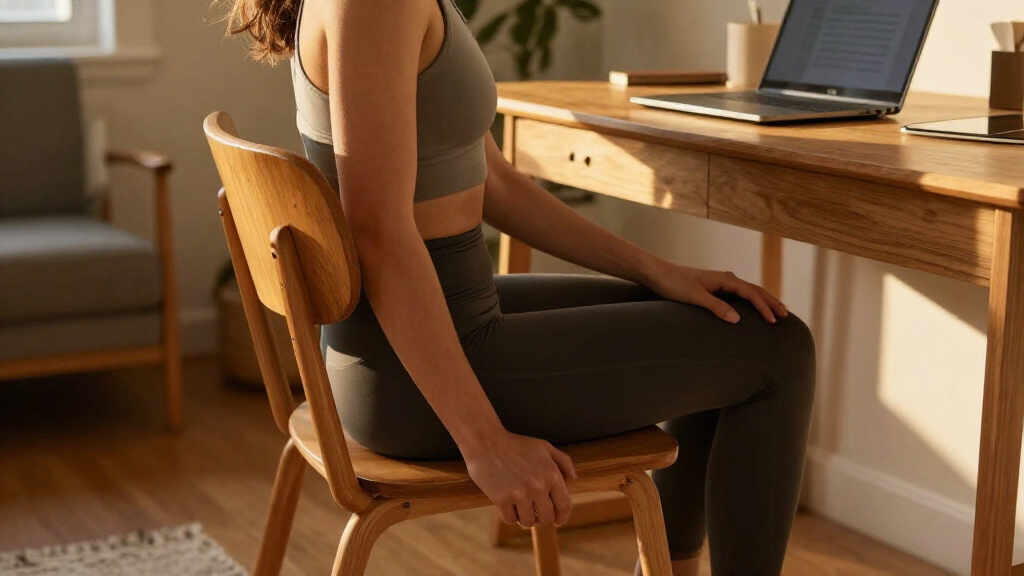
Lordan, owner and physical therapist at Concierge Physical Therapy, told Fit&Well that prolonged slouching increases load on the disks and structures at the base of the neck. He associated the posture with neck pain, tension headaches and low-back stiffness, and said it may make breathing shallower by limiting rib-cage expansion. These are attributed clinical observations in the report, not findings from a study presented there.
He said muscles in the torso, neck and back help hold the body upright, but can fatigue when a person remains in one position. In a slumped posture, Lordan said, the head and upper back move forward and the body relies more on ligaments and other passive structures. He also described chest and hip-flexor tightness and upper-back muscle weakening as changes that can make the slouched position feel more familiar over time.
The report recommends moving frequently and presents chin tucks, resistance-band pull-aparts and dead bugs as exercises that may address forward-head posture, rounded shoulders and deep-core control. Lordan advises doing the movements slowly, keeping a comfortable range and avoiding sharp pain. The article says readers should check with a doctor before starting new activity; a physical therapist or qualified trainer may help with technique and modifications.
How Long Sitting Can Affect Posture
The practical message is that an upright posture is not simply a test of back strength. According to Lordan, duration and limited movement matter: holding any position for too long can fatigue the muscles that support it, while a slumped position can shift more load onto other tissues. That framing may help readers avoid treating one exercise as a complete fix for discomfort linked to long periods of sitting.
The report also gives readers a few low-equipment movements to discuss with a health professional or use as part of an appropriate activity plan. It does not establish that slouching alone causes every listed symptom, or that the exercises will prevent or treat pain for everyone. Persistent or severe symptoms warrant individualized professional guidance rather than relying on a general article.
Popular right now

Dyson V15 Detect Cordless Stick Vacuum

Dyson Cyclone V10 Origin Cordless Vacuum

Ninja Foodi 10-Qt DualZone Smart XL Air Fryer, 6-in-1, Black (DZ550)
As an affiliate, we earn on qualifying purchases.
The Exercises in the Fit&Well Report
The three movements target different parts of the posture routine described by Lordan. For a chin tuck, sit upright and glide the chin straight back, then forward, keeping the eyes level rather than tipping the head down. The report suggests 10 repetitions, holding each for 10 seconds, and says the movement should create a stretch at the base of the skull rather than strain at the front of the neck.
For a banded pull-apart, hold a resistance band at chest height, draw the shoulder blades together and slightly down, and pull the band apart as far as comfortable. The report lists two to three sets of 12 to 15 repetitions. Lordan cautions against shrugging or arching the lower back.
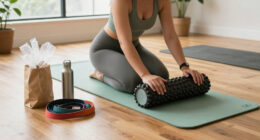
The dead bug is performed lying on the back with the knees bent and arms raised. Keep the core engaged and lower back pressed into the mat while lowering one leg and the opposite arm, then return and switch sides. The report lists two to three sets of 12 to 15 repetitions and advises shortening the movement if the lower back arches. It says a mat and resistance band are the only equipment needed for these examples.
“Slouching is usually less about raw strength and more about endurance and habit.”
— Sean T. Lordan, physical therapist, quoted by Fit&Well
Limits of the Posture Guidance
The Fit&Well report does not cite a clinical trial evaluating these exercises or quantify how much slouching raises the risk of any condition. It also does not establish that every person who needs a seat back has weak muscles or will develop pain. Symptoms can have different causes, and the report provides no individualized assessment, diagnosis or exercise plan.
The source does not give a publication date, study details or evidence comparing the exercises with other approaches. It advises stopping if an exercise causes sharp pain and speaking with a doctor before resuming. Readers with existing pain or health concerns should seek advice from a qualified professional before attempting new movements.
How Readers Can Apply the Advice
The report’s immediate recommendation is to avoid remaining in a single position for extended periods and to add movement through the day. Anyone considering the three exercises can start by checking with a doctor, use a comfortable range and seek guidance from a physical therapist or qualified trainer if technique or modifications are a concern.
Fit&Well’s article does not announce a follow-up study or clinical milestone. For now, the guidance remains general: pay attention to comfort, stop for sharp pain and consult a health professional about persistent symptoms or whether the exercises are appropriate for individual needs.
Key Questions
Does needing a seat back mean my back is weak?
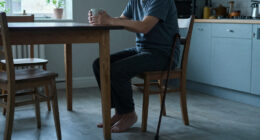
Not necessarily. Lordan told Fit&Well that slouching is often more related to endurance and habit than raw strength. The report does not assess individual causes, so ongoing discomfort should be discussed with a qualified health professional.
Which exercises does the report recommend?
It describes chin tucks, banded pull-aparts and dead bugs. They are general exercise examples, not a personalized treatment plan, and the report advises checking with a doctor before starting new activity.
How often should I do the exercises?
The report lists repetitions and sets for the movements but does not give a weekly schedule or recommend a specific long-term program. A health professional or qualified trainer can help determine what is suitable for you.
What should I do if an exercise hurts?
The report says the movements may cause muscle fatigue but should not cause sharp pain. Stop if sharp pain occurs and speak with a doctor before trying again.
Source: fitandwell.com