
TL;DR

Turn your wind-down time into listening time
- Thousands of audiobooks, podcasts and originals
- Listen on your phone, tablet or Echo — also offline
- Cancel anytime
The FDA has released updated findings on metals in tampons, prompting increased awareness of menstrual product safety. This article reviews available options, safety considerations, and what consumers should know.
The U.S. Food and Drug Administration (FDA) has released new findings indicating the presence of trace metals in some tampon products. This development raises questions about menstrual product safety and consumer awareness, as millions rely on these products daily.
The FDA’s recent analysis identified metals such as aluminum, nickel, and lead in certain tampon brands, with levels generally below established safety thresholds but prompting calls for further investigation. The agency emphasized that most products on the market remain safe but acknowledged the need for ongoing monitoring.
Manufacturers have responded by reviewing their materials, and some have issued statements reaffirming the safety of their products. Consumers are encouraged to read labels carefully, consider alternative options, and consult healthcare providers if they have concerns about exposure to metals or other ingredients.
Implications of FDA Metal Findings for Consumers
This development matters because it highlights potential risks associated with menstrual products, which are used regularly by a large portion of the population. While current levels of detected metals are considered safe by regulators, ongoing concerns about chemical and metal exposure underscore the importance of informed choices and product transparency. It also may influence future regulations and manufacturing practices in the industry.
As an affiliate, we earn on qualifying purchases.
Background on Menstrual Product Safety and Regulations
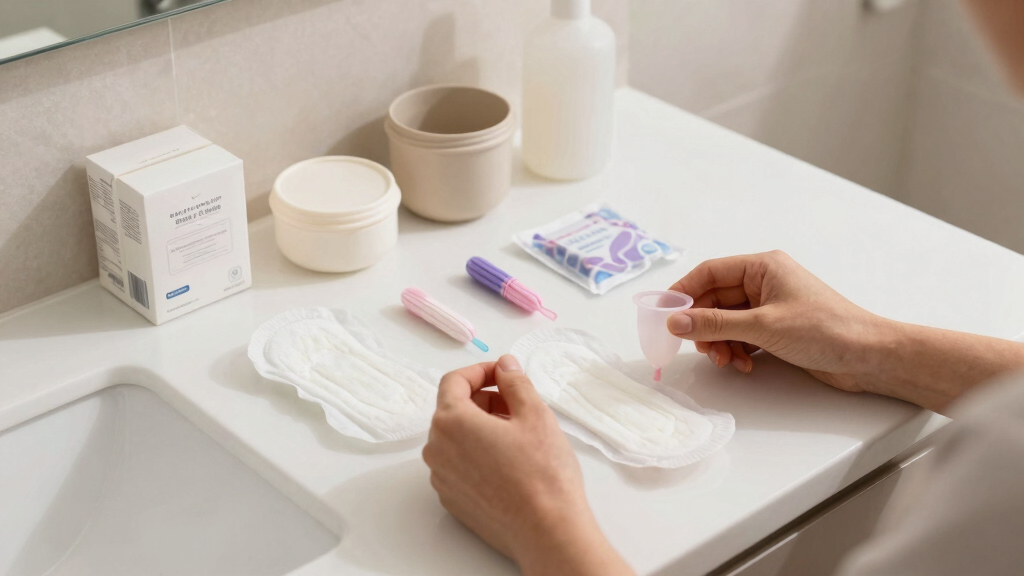
Menstrual products include tampons, pads, menstrual cups, and period underwear. The safety of these products has been scrutinized over the years, with regulatory agencies like the FDA overseeing manufacturing standards and ingredient disclosures. Past concerns have focused on chemical additives, fragrances, and potential contaminants.
The recent FDA report followed a series of tests prompted by consumer reports and independent research, which detected trace metals in some tampon samples. While metals like nickel and aluminum are common in many products, their presence in menstrual items raises safety questions due to potential health effects from long-term exposure.
“Most menstrual products remain safe and effective, but we are committed to ongoing monitoring to ensure consumer safety.”
— FDA spokesperson
Uncertainties About Long-Term Health Risks
It is not yet clear whether the detected levels of metals pose long-term health risks, as research on chronic exposure through menstrual products is limited. The FDA has indicated that current levels are below safety thresholds, but further studies are needed to assess cumulative effects over time.
Manufacturers are conducting additional testing, and some have voluntarily recalled or reformulated products, but comprehensive safety assessments are still underway.
Next Steps in Monitoring and Regulation
The FDA plans to continue testing menstrual products and increase transparency requirements for manufacturers. Consumers should stay informed through official updates and consider alternative products if concerned. Industry stakeholders are expected to review and improve safety standards based on emerging data.
Further research is anticipated to clarify health implications and guide future regulatory actions, possibly leading to stricter ingredient disclosures and manufacturing controls.
Key Questions
Are menstrual products currently unsafe to use?
According to the FDA, most menstrual products on the market are safe, but recent findings of trace metals have prompted ongoing review and monitoring. Consumers should follow official guidance and consult healthcare providers if concerned.
What types of menstrual products are available besides tampons?
Options include pads, menstrual cups, period underwear, and reusable cloth products. Each has different safety profiles and considerations, which consumers can evaluate based on personal preferences and health needs.
How can I reduce my exposure to metals in menstrual products?
Consumers can consider using alternative products such as organic or metal-free options, read labels carefully, and stay informed about product recalls or safety updates issued by regulatory agencies.
Will the FDA regulate menstrual products more strictly in the future?
The FDA has indicated plans to enhance testing and transparency requirements, which may lead to stricter regulations and better consumer protections in the future.
Source: google-trends
Fall Picks
fall essentials
As an affiliate, we earn on qualifying purchases.