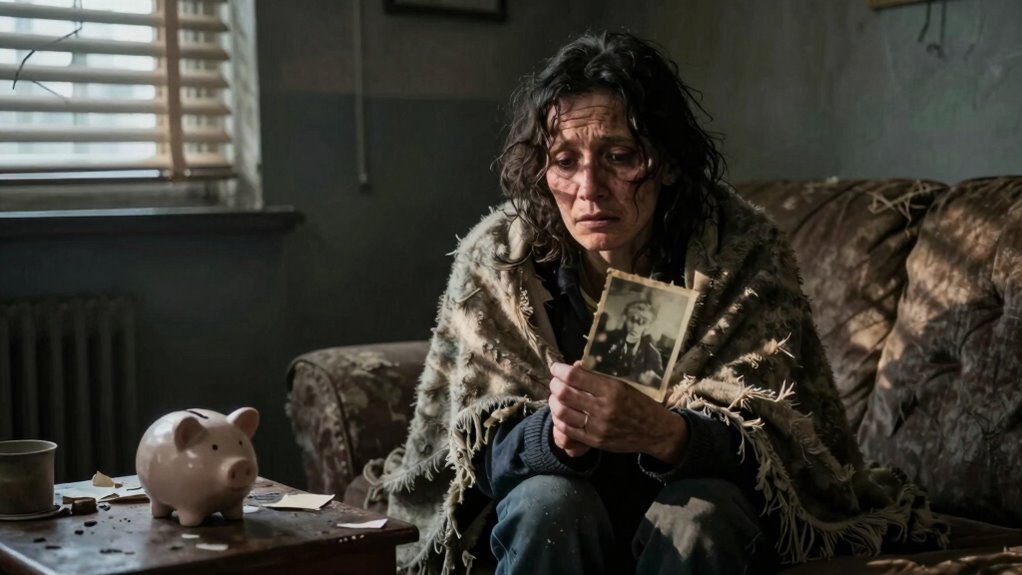

You might delay asking for financial help because emotional barriers and societal stigma make vulnerability feel like a weakness. Society often expects survivors to manage on their own, leading you to see asking for help as a sign of failure. Feelings of shame, embarrassment, and internalized shame can hold you back, making you believe weakness or judgment might follow. Understanding these feelings and societal attitudes can empower you to overcome these barriers—learn more about how to move forward.

Turn your wind-down time into listening time
- Thousands of audiobooks, podcasts and originals
- Listen on your phone, tablet or Echo — also offline
- Cancel anytime
Key Takeaways
- Emotional barriers and societal stigma make survivors fear judgment and feel ashamed to seek financial assistance.
- Internalized shame and feelings of weakness discourage survivors from reaching out for help.
- Societal stereotypes suggest survivors should handle issues alone, creating reluctance to ask for support.
- Fear of being misunderstood or labeled leads to emotional isolation and delays in seeking aid.
- Survivors often see asking for help as a failure, hindering their willingness to pursue financial support.
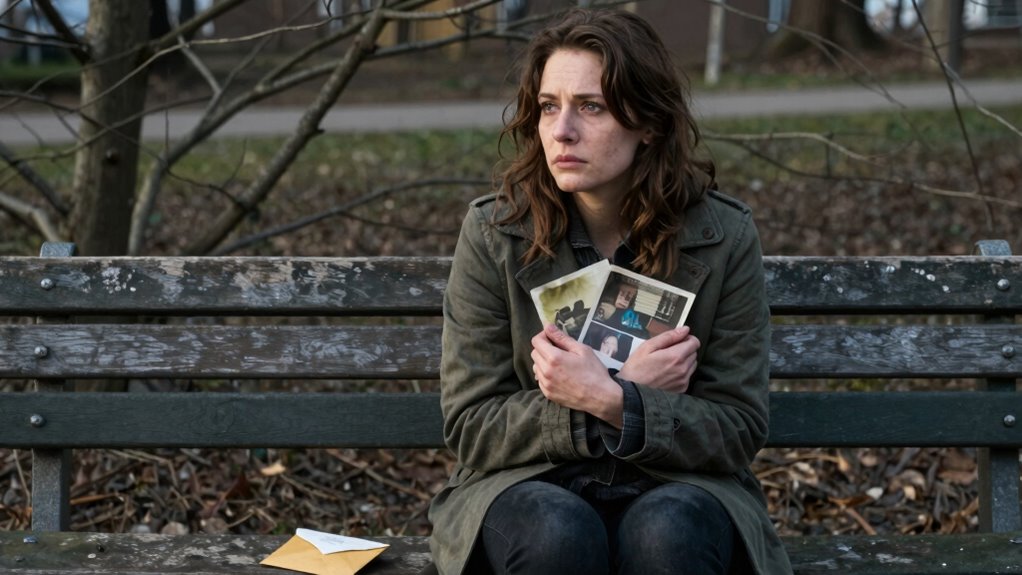
Have you ever wondered why survivors often delay asking for financial help? It’s a question many people overlook, but the reasons run deep. For many survivors, reaching out for financial assistance isn’t just about money—it’s tangled in emotional barriers and societal stigma that can feel overwhelming. You might find yourself hesitant, even ashamed, to admit you need help, because society often paints survivors in a light that emphasizes independence and resilience. Asking for aid can seem like admitting vulnerability, which conflicts with the strong image many are expected to uphold. That internal conflict creates emotional barriers that are tough to overcome. You may fear judgment from others or worry about being perceived as weak or incapable. These feelings become barriers that make it hard to take the first step toward seeking help, even when you desperately need it.
Societal stigma plays a significant role in this hesitation. Many survivors carry the weight of stereotypes and misconceptions that society has ingrained over years. There’s often an unspoken belief that survivors should be able to handle everything on their own, which makes asking for help feel like a failure rather than a necessity. This stigma can cause shame, making you reluctant to share your struggles openly. You might worry about being labeled or misunderstood, which can discourage you from seeking the support you deserve. The fear of being judged can be so strong that you suppress your needs, convincing yourself that dealing with financial difficulties alone is easier than risking social backlash. Additionally, societal perceptions can exacerbate feelings of emotional isolation, especially when societal attitudes towards survivors reinforce feelings of shame and inadequacy. Recognizing that societal perceptions and stereotypes can reinforce emotional barriers is an important step toward overcoming hesitation. Understanding how societal attitudes affect stigma and shame can help you develop resilience and challenge these harmful beliefs. Sometimes, understanding the impact of societal attitudes can empower you to challenge those stereotypes and seek help more confidently.
Society’s stereotypes often make survivors feel ashamed to seek help, fearing judgment and misunderstanding.
These emotional barriers and societal stigma don’t just cause hesitation—they can also lead to feelings of isolation. You might think that no one truly understands what you’re going through, which deepens the reluctance to ask for help. It’s common to feel embarrassed or ashamed, especially if you’ve internalized the idea that asking for assistance reflects personal weakness. This internalized shame can be a powerful obstacle, making it harder to reach out to friends, family, or support organizations. Recognizing the importance of social support systems can make it easier to break free from these feelings and find the help you need. Overcoming these barriers takes acknowledgment and compassion, both from yourself and others. Recognizing that asking for financial help isn’t a sign of weakness but a step toward healing can shift your perspective. Remember, society’s stigma doesn’t define your worth, and seeking support is a brave act. Despite the emotional hurdles and societal judgments, taking that first step can lead to the assistance you need and deserve.
financial assistance for survivors
As an affiliate, we earn on qualifying purchases.
As an affiliate, we earn on qualifying purchases.
Frequently Asked Questions
How Can Survivors Overcome Shame Associated With Seeking Financial Assistance?
You can overcome shame by practicing stigma reduction, reminding yourself that seeking help isn’t a sign of weakness. Empowerment strategies, like educating yourself about available resources and connecting with supportive communities, boost your confidence. Focus on your strength and resilience, and understand that asking for financial help is a step toward healing. Remember, you deserve support, and breaking the silence can pave the way for recovery and a brighter future.
What Are the First Steps to Take When Asking for Financial Help?
Asking for financial help is like opening a door to hope. Start by evaluating your situation through honest financial planning. Use budgeting strategies to understand your income and expenses clearly. Reach out to trusted organizations or individuals who can provide support, and don’t hesitate to ask specific questions about available aid. Taking these initial steps helps you feel empowered and ready to navigate your financial path forward.
Are There Confidential Resources Available for Survivors Needing Financial Aid?
Yes, there are confidential aid options available for survivors needing financial help. You can access discreet support through organizations that prioritize privacy, such as crisis centers offering confidential financial assistance or online resources that provide secure, anonymous help. These services guarantee your privacy while connecting you with the aid you need. Remember, seeking out confidential aid is a brave step toward stability, and help is available without compromising your privacy.
How Do Cultural Beliefs Influence Survivors’ Reluctance to Seek Help?
Sure, cultural stigma and traditional beliefs love to play hide-and-seek with your courage. They convince you that asking for help is shameful or weak, making you hesitant. You might think admitting vulnerability taints your honor or family’s reputation. So, instead of seeking financial aid, you hide your struggles, believing you must tough it out. It’s a comedy of errors that keeps survivors silent, all thanks to those old-fashioned beliefs.
What Are Common Emotional Barriers That Prevent Survivors From Asking for Support?
You might face emotional resistance and trust issues that prevent you from asking for support. Fear of judgment or feeling vulnerable can make opening up difficult. You might worry that sharing your struggles will lead to rejection or further harm, so you hesitate to reach out. These emotional barriers create a sense of isolation, making it harder to seek the help you need, even when it’s available.
Conclusion
Knowing why survivors hesitate to ask for financial help can be eye-opening, but don’t let pride stand in your way. Remember, it’s better to ask for help than to struggle in silence—sometimes the best way forward is to swallow your pride and reach out. You’re not alone in this, and accepting support can be the first step toward healing. Don’t let the fear of judgment keep you from taking the help you deserve—help is just a call away.
Halloween Picks
halloween
As an affiliate, we earn on qualifying purchases.