

Strict parenting aims to guide your child with clear rules, emotional boundaries, and genuine care, all focused on their growth and independence. It involves understanding their feelings and respecting their individuality, with love at the core. In contrast, narcissistic control uses manipulation, invalidates emotions, and centers on the parent’s need for power and validation. Recognizing these differences helps you nurture trust and emotional security—continue to explore the key distinctions that can shape healthier relationships.
Key Takeaways
- Strict parenting emphasizes discipline and guidance with emotional boundaries, fostering trust and respect; narcissistic control manipulates and invalidates feelings for parental ego.
- Strict parents show genuine care and empathy; narcissistic parents prioritize their power and validation over the child’s emotional needs.
- Boundaries in strict parenting are clear and promote independence; narcissistic control blurs boundaries, leading to emotional exhaustion.
- Strict parenting aims to nurture growth and responsibility; narcissistic control seeks to dominate and serve the parent’s entitlement.
- Emotional security and healthy development are cultivated through strict parenting; narcissistic control damages emotional wellbeing and self-esteem.

While strict parenting and narcissistic control may appear similar on the surface, they are fundamentally different in intent and impact. Strict parenting often involves setting clear rules and expectations to guarantee safety and discipline. It’s about guiding you toward responsible behavior, often with a focus on teaching right from wrong. In this approach, emotional boundaries are maintained to help you develop independence, yet the parent remains involved and attentive to your needs. Parental empathy plays a crucial role here, as the parent genuinely cares about your feelings and aims to understand your perspective, even when enforcing rules. They recognize your individuality and aim to nurture your growth rather than suppress it.
Strict parenting guides with care and empathy, fostering growth while maintaining boundaries for healthy independence.
In contrast, narcissistic control centers around the parent’s need for power and validation. It’s less about your development and more about feeding the parent’s ego. You might notice that emotional boundaries are often blurred or ignored, as the narcissistic parent expects you to conform to their desires without consideration for your feelings. They may dismiss your emotions or manipulate situations to maintain control, making it hard for you to express yourself freely. Parental empathy, in this context, is lacking or superficial. Instead of truly listening to you, the narcissistic parent might use your vulnerabilities to manipulate or dominate. Their primary concern isn’t your well-being but their own sense of superiority and control. Recognizing these behaviors can help you protect yourself from emotional harm and manipulation.
The key difference lies in the intent behind the behavior. Strict parents typically enforce boundaries with love and a genuine desire for your well-being, even if their methods seem rigid. They understand that emotional boundaries are necessary for healthy development and try to respect your individuality within those limits. Conversely, narcissistic parents often violate emotional boundaries, disregarding your feelings and needs to serve their own interests. Their actions are driven by entitlement rather than concern, making their control feel oppressive and invalidating. Recognizing the importance of emotional boundaries can help you develop healthier relationships and resilience against manipulation. It’s also crucial to understand how parental intentions influence their behavior and your emotional safety.
You might feel that strict parenting, despite being firm, still allows room for connection and understanding. When a parent shows empathy and respects emotional boundaries, it fosters trust and helps you feel secure. On the other hand, narcissistic control leaves you feeling unseen, unheard, and emotionally exhausted, as your parent’s actions are motivated by their needs rather than yours. Understanding the differences can also help you develop healthy boundaries, which are essential for maintaining your emotional wellbeing and independence. Recognizing these distinctions can also guide you in seeking support or setting limits in difficult relationships. Developing self-awareness about these dynamics is crucial for your emotional resilience and long-term growth. Understanding the intentions behind your parents’ behaviors and how they impact your emotional health and independence is crucial for emotional resilience.

The Digital Parenting Guidebook: 7 Essential Steps for Building the Tech-Savvy Christian Family
As an affiliate, we earn on qualifying purchases.
As an affiliate, we earn on qualifying purchases.
Frequently Asked Questions
How Can Parents Identify if Their Parenting Style Is Becoming Narcissistic?
You can tell your parenting style is becoming narcissistic if you notice a lack of boundaries clarity and limited emotional responsiveness. If you expect your child to meet your needs without considering theirs, or if you’re dismissive of their feelings, it’s a sign. Reflect on whether you’re listening actively and respecting their individuality. Adjust by setting healthy boundaries and showing genuine empathy, ensuring your child feels understood and valued.
What Are the Long-Term Effects of Narcissistic Control on Children?
Narcissistic control can harm your children’s emotional resilience and self-esteem development over time. They may struggle with trusting themselves, feeling unworthy, or fearing rejection. Your child might also develop anxiety, depression, or difficulty forming healthy relationships later in life. By recognizing these signs early and fostering open communication, you can help your children build confidence and emotional strength, preventing long-term negative effects of narcissistic control.
Can Strict Parenting Ever Be Completely Healthy or Beneficial?
Strict parenting can be beneficial when it establishes clear parenting boundaries that promote discipline and responsibility. However, it’s only healthy if it also supports emotional regulation and open communication. If you enforce rules without understanding your child’s feelings or needs, it risks becoming controlling rather than guiding. Striking a balance between firmness and empathy helps children develop resilience, self-control, and confidence, making strict parenting genuinely beneficial.
How Do Cultural Differences Influence Perceptions of Strictness and Control?
Cultural norms and parental expectations shape how you perceive strictness and control. In some cultures, strict parenting signifies discipline and respect, while in others, it might seem overly rigid or oppressive. Your view depends on these cultural influences, and what’s considered acceptable varies widely. Understanding this context helps you see that perceptions of strictness aren’t universal; they’re deeply rooted in cultural values and societal standards.
What Strategies Help Parents Balance Discipline Without Crossing Into Narcissism?
To balance discipline without crossing into narcissism, you should set clear parenting boundaries that promote respect and independence. Practice emotional regulation so you respond calmly and thoughtfully, avoiding overly controlling reactions. Encourage open communication, listen to your child’s feelings, and explain your decisions. By maintaining consistent boundaries and managing your emotions, you foster a healthy environment where discipline teaches responsibility without becoming narcissistic control.
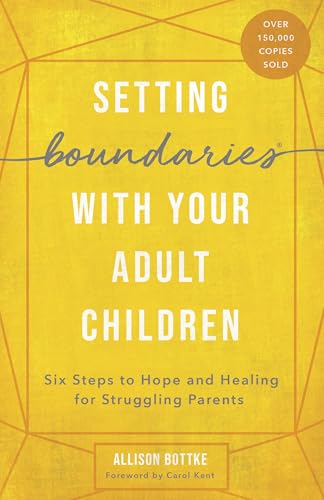
Setting Boundaries with Your Adult Children: Six Steps to Hope and Healing for Struggling Parents
As an affiliate, we earn on qualifying purchases.
As an affiliate, we earn on qualifying purchases.
Conclusion
In the gentle dance of guiding your child, it’s easy to mistake firm boundaries for a firm grip. Remember, true strength lies in nurturing independence without overshadowing their spirit. When your intentions are rooted in love, even discipline feels like a caring embrace rather than a controlling hand. By softening the edges of authority, you create a space where growth blooms naturally—beautifully, effortlessly—while your child learns to navigate the world with confidence and grace.
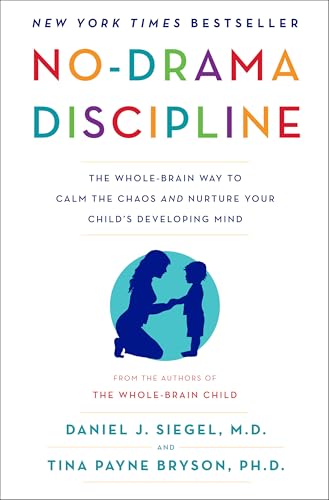
No-Drama Discipline: The Whole-Brain Way to Calm the Chaos and Nurture Your Child's Developing Mind
As an affiliate, we earn on qualifying purchases.
As an affiliate, we earn on qualifying purchases.

Nurturing Brilliance in Gifted Children: Proven Strategies and Practical Tips to Unlock Potential, Promote Emotional Resilience, and Navigate Educational Systems for Lifelong Success
As an affiliate, we earn on qualifying purchases.
As an affiliate, we earn on qualifying purchases.