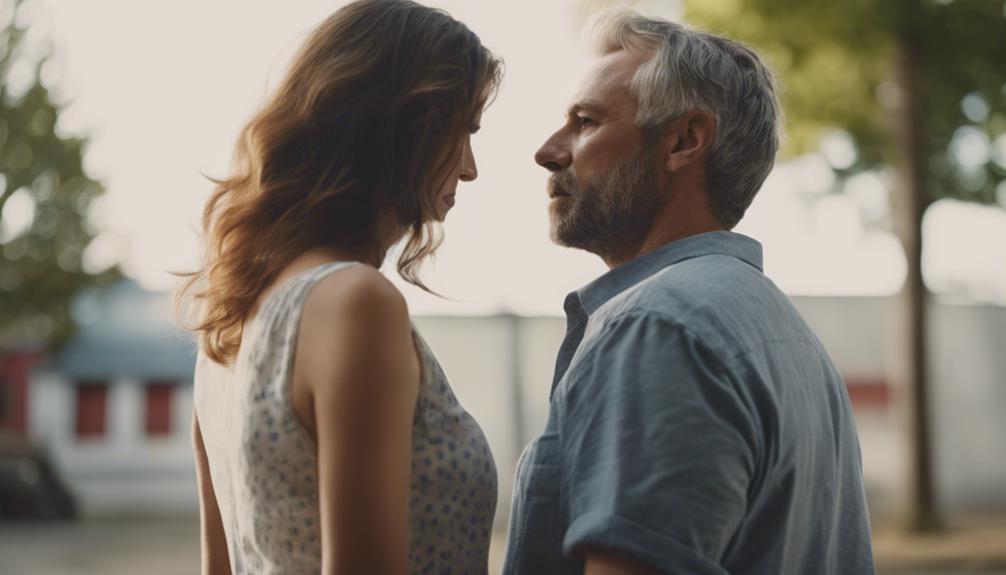

You keep hoping the “good version” will return because it gives you a sense of stability and emotional safety during times of inevitable change. Clinging to past memories and emotional bonds makes it hard to accept that both yourself and others are naturally evolving. This hope acts as a shield against the fear of losing your identity or feeling unrecognizable. To understand why this hope persists and how to move forward, keep exploring these ideas further.

Turn your wind-down time into listening time
- Thousands of audiobooks, podcasts and originals
- Listen on your phone, tablet or Echo — also offline
- Cancel anytime
Key Takeaways
- Hope for the “good version” maintains a sense of personal stability and self-identity during times of change.
- Emotional bonds to past memories reinforce the desire to reconnect with positive feelings.
- Belief in the reversibility of change leads to persistent hope that the “good version” will reappear.
- Fear of losing self-recognition prevents acceptance of ongoing transformation and sustains hope.
- Embracing natural change fosters growth, reducing the need to cling to an idealized past self.

You might find yourself clinging to the hope that the “good version” of someone or yourself will come back, even when the signs suggest otherwise. That hope often persists because, deep down, you associate the idea of that “good version” with your sense of self identity. When someone you care about changes or drifts away from who they once were, it can feel like losing a piece of yourself—something familiar and comforting. You hold onto this hope because it’s tied to your emotional attachment; the memories of better times become a safety net that makes it hard to accept reality. It’s easier to believe that the person or your own better qualities are still there, just hidden beneath layers of pain, disappointment, or change.
This attachment fuels your desire for the past to return because it’s rooted in the emotional connection you’ve built. You might convince yourself that if only they or you could be that “good version” again, everything would fall into place. But this hope can also become a trap, blinding you to the truth that people evolve, and sometimes, that change isn’t reversible. You cling to the hope because it’s familiar, and letting go threatens your sense of stability and self-identity. Your mind clings to the idea that the person you once knew is still inside, waiting to be rediscovered, even if evidence suggests otherwise.
Your emotional attachment makes it difficult to see things clearly. It’s natural to want to believe in the possibility of restoration, but that belief can keep you stuck in a cycle of longing and disappointment. The more you focus on the “good version,” the more you overlook the reality of what is, and that can prevent you from moving forward. Your hope might stem from a desire to avoid facing the pain of change or loss, as well as a fear that without that person—or that version of yourself—you won’t recognize who you are anymore. So, you hold onto this hope, partly because it’s a safeguard for your self-identity, and partly because it’s an emotional anchor in uncertain times. Recognizing that people evolve can help you accept change and embrace a future beyond the illusion of the “good version.” Understanding the natural process of change and growth can empower you to move forward with greater resilience. Sometimes, holding onto this hope prevents you from fully experiencing the transformative potential of personal evolution.
As an affiliate, we earn on qualifying purchases.
Frequently Asked Questions
How Can I Recognize When It’s Time to Let Go?
You’ll know it’s time to let go when your future fantasies no longer bring hope, but instead cause pain or frustration. When memory illusions keep you clinging to a version of the past that no longer exists, it’s a sign to release. If holding on prevents growth or happiness, trust your intuition—letting go allows space for new possibilities and healing to begin.
What Psychological Factors Reinforce Hope for the Past?
You’re often reinforced by memory bias, which makes past experiences seem better than they actually were, and emotional attachment that keeps you connected to those memories. These psychological factors distort your perception, leading you to hope for the “good version” to return. You might focus on the positive moments, ignoring the struggles, which deepens your emotional bond and makes it harder to accept change or move forward.
Can Nostalgia Hinder Personal Growth?
Nostalgia can hinder personal growth because of memory bias and emotional longing. You might remember the past as better than it was, making you cling to it instead of embracing the present. This emotional longing can prevent you from appreciating current opportunities or facing challenges. Recognizing these biases helps you stay grounded in reality, encouraging growth rather than nostalgia-driven stagnation. Letting go of idealized memories opens doors to new experiences.
How Does Attachment Influence My Hope for Change?
Your emotional bonds and attachment styles strongly influence your hope for change. If you have a secure attachment, you’re more likely to believe in growth and transformation. However, if your attachment style is anxious or avoidant, you might cling to hope because of a fear of loss or change, making you wish for the “good version” to return. These attachment patterns shape how you perceive and pursue personal growth.
What Are Practical Steps to Accept Reality?
Imagine holding a fragile balloon, realizing it’s time to release it. To accept reality, you need to let go of future illusions that keep you attached to what once was. Practice mindfulness, focus on what you can control, and build emotional resilience by embracing the present moment. This helps you accept things as they are, rather than how you wish they’d be, fostering peace and clarity in your journey forward.
Conclusion
You keep hoping the “good version” will return because deep down, you believe things can get better. But sometimes, holding on too tight only keeps you from moving forward. Remember, you can’t change the past, but you can learn from it and shape your future. It’s time to stop waiting for a lost chapter and start writing a new story. Don’t wait for the stars to align—take control and make your own luck.
Fall Picks
fall essentials
As an affiliate, we earn on qualifying purchases.