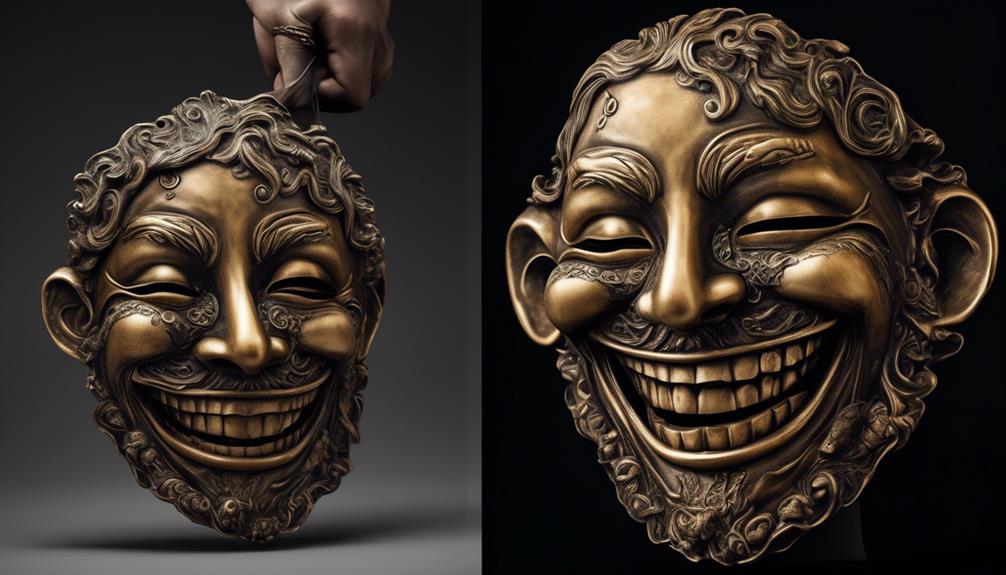
Covert narcissists avoid direct accountability because they fear admitting faults will threaten their fragile self-image and expose vulnerabilities. They use tactics like gaslighting, blame-shifting, and emotional manipulation to protect their ego from criticism or shame. By avoiding responsibility, they maintain a sense of superiority and control, preventing others from seeing their flaws. If you want to understand their behaviors better and learn how to respond, there’s more to uncover below.

Turn your wind-down time into listening time
- Thousands of audiobooks, podcasts and originals
- Listen on your phone, tablet or Echo — also offline
- Cancel anytime
Key Takeaways
- They fear admitting faults threatens their fragile self-image and perceived perfection.
- Avoidance preserves their sense of superiority and control over others.
- Gaslighting and blame-shifting prevent exposure of vulnerabilities or flaws.
- Accepting responsibility risks damaging their self-esteem and reputation.
- Maintaining denial and avoidance helps them evade accountability and emotional vulnerability.

Have you ever wondered why some people refuse to take responsibility for their actions, even when it’s obvious they’re in the wrong? Covert narcissists are masters at avoiding accountability, and they often do this through subtle but manipulative tactics. Instead of openly admitting fault, they rely on emotional manipulation to shift blame or guilt onto others. Their goal isn’t to resolve issues but to protect their fragile self-image, which can’t afford to be questioned or criticized.
Covert narcissists avoid accountability, using manipulation to protect their fragile self-image and shift blame onto others.
One common tactic they use is gaslighting. With gaslighting tactics, they make you second-guess your perceptions, feelings, or memory of events. They’ll deny, distort, or minimize what actually happened, leaving you confused and unsure of yourself. This tactic isn’t just about confusion; it’s about controlling the narrative and maintaining their sense of superiority. When you confront them about their behavior, they might suddenly turn the tables, accusing you of overreacting or being overly sensitive. This deflects the focus from their actions and keeps them safe from accountability.
Because covert narcissists see themselves as perfect or above reproach, admitting fault feels like a threat to their identity. They often believe they’re entitled to special treatment, which makes accepting blame feel like a personal attack. Instead of owning their mistakes, they’ll craft stories that blame others or external circumstances. They may also employ emotional manipulation to evoke guilt or sympathy, making you hesitate to hold them accountable. This emotional tug-of-war keeps you off-balance and more likely to doubt your own judgment. Recognizing the manipulative tactics they employ can help you understand the underlying motives behind their behavior. Additionally, their tendency to deny responsibility often stems from a deep fear of exposing their vulnerabilities, which they see as unacceptable. This fear of exposing vulnerabilities is rooted in their fragile self-esteem, which they desperately defend at all costs.
Avoiding direct accountability allows covert narcissists to preserve their self-image and avoid vulnerability. They understand that admitting fault might expose their flaws, which they see as unacceptable. Instead, they manipulate the emotional environment to make you feel responsible or guilty, so you’re less likely to challenge them. Knowing about emotional manipulation as a common tactic can empower you to respond more effectively. These tactics often serve to maintain control and prevent genuine accountability from ever occurring, creating a cycle that can be exhausting for anyone involved. Their tactics create a cycle where they’re never truly at fault, and you end up carrying the burden of resolving conflicts they refuse to own. This cycle of avoidance and manipulation keeps them in control and prevents genuine accountability from ever occurring.
In essence, covert narcissists avoid taking responsibility because it threatens their fragile ego. They use emotional manipulation and gaslighting tactics to distort reality, deflect blame, and maintain control. Recognizing these behaviors helps you protect yourself from falling into their trap, and reminds you that accountability is a sign of genuine growth, something they’re often unwilling to embrace. Understanding narcissistic defenses can be crucial in setting healthy boundaries and safeguarding your well-being.
As an affiliate, we earn on qualifying purchases.
Frequently Asked Questions
Do Covert Narcissists Ever Admit to Their Mistakes Voluntarily?
Covert narcissists rarely admit to their mistakes voluntarily because they fear losing control or facing shame. Instead, they often play mind games and create emotional distancing to avoid accountability. When they do acknowledge errors, it’s usually to manipulate the situation or shift blame. You might notice them deflecting responsibility or minimizing their faults, making genuine apology rare. Their tactics keep you uncertain and emotionally entangled, preventing true accountability from emerging naturally.
How Do Covert Narcissists Manipulate Others to Avoid Blame?
Like a chameleon blending into its surroundings, covert narcissists manipulate others to dodge blame through gaslighting tactics and emotional evasion. They twist facts, making you doubt your perceptions, and shift focus away from their faults. By denying responsibility and playing the victim, they control the narrative, ensuring they stay unaccountable. Their subtle tactics leave you questioning yourself, while they avoid facing consequences effortlessly.
Can Covert Narcissists Change Their Accountability Behaviors?
Covert narcissists can change their accountability behaviors, but it’s challenging. You might notice self-awareness barriers and emotional defenses that block honest reflection. They often resist admitting faults because it threatens their fragile self-image. With consistent therapy and genuine effort, some may become more accountable. However, true change requires them to confront their vulnerabilities and emotional defenses, which many prefer to avoid to maintain their sense of control and superiority.
What Are Common Signs a Covert Narcissist Is Avoiding Responsibility?
You’ll notice a covert narcissist avoids responsibility by often adopting a victim mentality, claiming they’re misunderstood or unfairly treated. They frequently use gaslighting tactics, making you doubt your perceptions or feelings. Instead of owning mistakes, they shift blame onto others, deny accountability, and manipulate situations to protect their ego. These signs reveal their reluctance to accept responsibility and their effort to maintain control through emotional manipulation.
How Does Avoidance of Accountability Affect Their Relationships?
Did you know that 75% of people report feeling emotionally detached from a covert narcissist? When they avoid accountability, it damages your trust and deepens emotional detachment. They often blame shift, refusing to accept responsibility, which leaves you feeling invalidated and frustrated. This pattern can erode your connection over time, making it harder to build a healthy, honest relationship. Their avoidance ultimately isolates you both emotionally.
Conclusion
You see, covert narcissists avoid accountability because it’s easier to hide behind a mask than face their reflection. Like a shadow that follows you but can’t be held accountable, they evade responsibility to protect their fragile ego. Remember, understanding their tactics isn’t just about recognition — it’s about freeing yourself from the illusion. When you see through the mirage, you reclaim your power, realizing that true strength lies in owning your truth, not in hiding behind deception.
Halloween Picks
halloween
As an affiliate, we earn on qualifying purchases.