

Narcissism recovery workbooks can help organize reflection and practice after emotional abuse, but the options vary in focus and scope. I’d put The Narcissism Recovery Workbook: Skills for Healing from Emotional Abuse first for its direct workbook focus, while The Narcissism Recovery Journal suits readers who want regular prompts and Free Yourself! speaks specifically to women dealing with complex trauma. The main tradeoff is between a focused, hands-on format and broader multi-topic guides that cover gaslighting, codependency, or PTSD alongside abuse recovery. A workbook can support personal reflection, but it is not a substitute for professional care when distress is severe or safety is at risk. Read on for the full comparison and guidance on matching a format to your needs.

Turn your wind-down time into listening time
- Thousands of audiobooks, podcasts and originals
- Listen on your phone, tablet or Echo — also offline
- Cancel anytime
Key Takeaways
- Focused workbooks stand apart from bundles: titles centered on a single recovery path are easier to match to a specific need, while the four-, five-, and six-in-one books promise broader coverage but may be less targeted.
- Journaling and skills practice serve different routines: The Narcissism Recovery Journal emphasizes prompts, while The Narcissism Recovery Workbook and Healing from Narcissistic Abuse foreground workbook-style skill building.
- Some titles name a specific audience or experience: Free Yourself! is framed for women and complex PTSD, while The Covert Narcissist Recovery Project focuses on hidden trauma.
- Spiritual framing is a meaningful selection filter: The Narcissistic Abuse Recovery Bible differs from the more secular-sounding options, so readers should choose the perspective that feels supportive rather than assume every workbook will fit.
- Codependency and trauma-bond themes recur across the lineup: Stop Spinning, Start Breathing and The Narcissist Recovery Blueprint signal narrower areas of focus than general recovery titles.
| The Narcissism Recovery Journal: Prompts and Practices for Healing from Emotional Abuse |  | Best for Guided Reflection | Product type: Journal | Subject: Narcissism recovery | Focus: Healing from emotional abuse | VIEW LATEST PRICE | See Our Full Breakdown |
| Recovery from Narcissistic Abuse, Gaslighting, Codependency, and Complex PTSD: 4 Books in 1 |  | Best for Broad Topic Coverage | Product type: Workbook and guide | Organization: Four books in one | Topic: Narcissistic abuse | VIEW LATEST PRICE | See Our Full Breakdown |
| Free Yourself! A Complex PTSD and Narcissistic Abuse Recovery Workbook for Women | 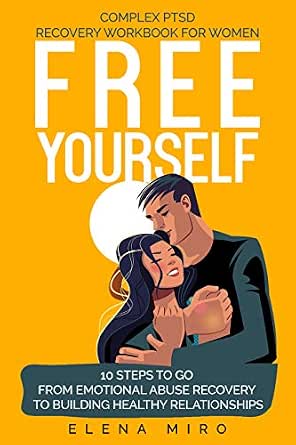 | Best for a Step-by-Step Path | Product type: Recovery workbook | Program structure: 10-step program | Intended audience: Women | VIEW LATEST PRICE | See Our Full Breakdown |
| The Covert Narcissist Recovery Project Workbook: A Survivor’s Path to Clarity, Healing, and Liberation from Hidden Trauma |  | Best for Covert Abuse Recovery | Product type: Workbook | Focus: Covert narcissistic abuse | Intended audience: Survivors | VIEW LATEST PRICE | See Our Full Breakdown |
| It’s Not You: Identifying and Healing from Narcissistic People |  | Best for Understanding Narcissistic Behavior | Product type: Book | Subject: Narcissistic people | Focus: Identifying narcissistic behaviors | VIEW LATEST PRICE | See Our Full Breakdown |
| Healing from Narcissistic Abuse: A Professional Workbook to Rebuild Self-Worth and Confidence |  | Best for Rebuilding Self-Worth | Format: Workbook | Primary focus: Recovery from narcissistic abuse | Stated goals: Rebuild self-worth and confidence | VIEW LATEST PRICE | See Our Full Breakdown |
| The Narcissistic Abuse Recovery Bible: Spiritual Recovery from Narcissistic and Emotional Abuse |  | Best for Spiritually Oriented Recovery | Format: Book | Primary focus: Spiritual recovery from narcissistic and emotional abuse | Approach: Spiritual insights and practical advice | VIEW LATEST PRICE | See Our Full Breakdown |
| Gaslighting & Narcissistic Abuse Recovery: Recover from Emotional Abuse, Recognize Narcissists & Manipulators and Break Free Once and for All |  | Best for Recognizing Manipulation | Format: Book | Primary topics: Gaslighting and narcissistic abuse | Additional focus: Emotional abuse and manipulation | VIEW LATEST PRICE | See Our Full Breakdown |
| Recovery from Gaslighting, Narcissistic Abuse, Codependency & Complex PTSD (5 in 1): Guides and Workbooks to Rise Above Trauma and Improve Mental Health |  | Best Multi-Topic Recovery Collection | Format: Five-in-one collection of guides and workbooks | Topics named in title: Gaslighting, narcissistic abuse, codependency, and complex PTSD | Stated approach: Guides, practical strategies, and workbook exercises | VIEW LATEST PRICE | See Our Full Breakdown |
| Guided Workbook: Recover from Narcissistic Abuse | 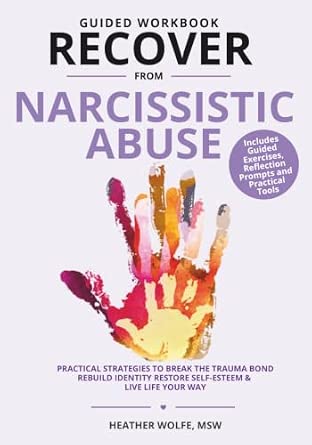 | Best for Trauma-Bond and Identity Work | Format: Guided workbook | Primary focus: Recovery from narcissistic abuse | Named recovery theme: Breaking trauma bonds | VIEW LATEST PRICE | See Our Full Breakdown |
| Rebuilding Me: A Narcissistic Abuse Recovery Workbook | 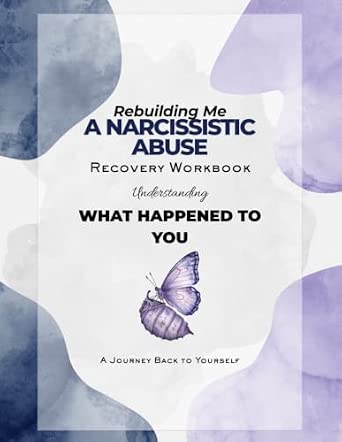 | Best for a Self-Restoration Focus | Format: Workbook | Primary topic: Narcissistic abuse recovery | Stated focus: Rebuilding the self | VIEW LATEST PRICE | See Our Full Breakdown |
| The Narcissism Recovery Workbook: Skills for Healing from Emotional Abuse |  | Best for Practical Recovery Skills | Format: Workbook | Primary topic: Healing from emotional abuse | Approach: Practical skills and exercises | VIEW LATEST PRICE | See Our Full Breakdown |
| Stop Spinning, Start Breathing: A Codependency Workbook for Narcissist Abuse Recovery |  | Best for Codependency-Focused Recovery | Format: Workbook | Primary topic: Narcissist abuse recovery | Additional focus: Codependency | VIEW LATEST PRICE | See Our Full Breakdown |
| The Narcissist Recovery Blueprint: A Guided Workbook to Break Trauma Bonds, Heal Emotional Abuse, Rebuild Self-Worth, and Create Healthy Relationships |  | Best for a Guided, Multi-Stage Recovery Path | Format: Guided workbook | Primary topic: Recovery after narcissistic abuse | Stated focus: Breaking trauma bonds | VIEW LATEST PRICE | See Our Full Breakdown |
| Recovery from Narcissistic Abuse, Gaslighting, Codependency and Complex PTSD (6 in 1): MasterClass, Workbook and Guide for Healing from Trauma and Toxic Relationships |  | Best for a Multi-Format Resource Bundle | Format: Masterclass, workbook, and guide | Collection description: 6 in 1 | Primary topic: Narcissistic abuse recovery | VIEW LATEST PRICE | See Our Full Breakdown |
| narcissism recovery workbook | Format | Approach |
|---|---|---|
| The Narcissism Recovery Journa | — | Prompts and practices |
| Recovery from Narcissistic Abu | — | — |
| Free Yourself! A Complex PTSD | — | Practical exercises and guidance |
| The Covert Narcissist Recovery | — | Exercises and guidance |
| It’s Not You: Identifying and | — | — |
| Healing from Narcissistic Abus | Workbook | Guidance and practical exercises |
| The Narcissistic Abuse Recover | Book | Spiritual insights and practical advice |
| Gaslighting & Narcissistic Abu | Book | Guidance and recovery strategies |
| Recovery from Gaslighting | Five-in-one collection of guides and workbooks | — |
| Guided Workbook: Recover from | Guided workbook | — |
| Rebuilding Me: A Narcissistic | Workbook | — |
| The Narcissism Recovery Workbo | Workbook | Practical skills and exercises |
| Stop Spinning | Workbook | Guidance and exercises |
| The Narcissist Recovery Bluepr | Guided workbook | — |
| Recovery from Narcissistic Abu | Masterclass, workbook, and guide | — |
More Details on Our Top Picks
The Narcissism Recovery Journal: Prompts and Practices for Healing from Emotional Abuse
This journal’s clearest strength is its prompt-led approach: it gives readers a way to reflect on emotional abuse and healing rather than presenting itself as a broad reference guide. That makes it a more focused choice than Recovery from Narcissistic Abuse, Gaslighting, Codependency, and Complex PTSD: 4 Books in 1, which spans several related subjects but does not specify its exercises in the supplied description. The journal may suit someone who wants to work through thoughts at their own pace, with attention to emotional well-being. Its limits are just as clear: the available information does not explain the prompts’ range, the journal’s length, or how the practices are organized. Readers seeking a defined step-by-step program may prefer Free Yourself!, whose description identifies a 10-step structure.
Pros:- Uses structured prompts to support self-reflection.
- Focuses directly on healing after emotional abuse.
- Frames the work around emotional well-being.
Cons:- The available description does not show sample prompts or explain how practices are organized.
- No length, format, or other detailed specifications are supplied.
- Less clearly structured than the stated 10-step program in Free Yourself!.
Best for: Readers who want a prompt-based space to reflect on emotional abuse and prefer self-paced journaling over a multi-topic guide.
Not ideal for: Readers who need a clearly described step-by-step program, detailed exercise examples, or confirmed information about length and format.
- Product type:Journal
- Subject:Narcissism recovery
- Focus:Healing from emotional abuse
- Approach:Prompts and practices
- Use:Self-reflection
- Intended outcome:Support emotional well-being
Our verdict“Choose this journal if you want focused, self-paced reflection; pick Free Yourself! instead if a defined sequence matters more.”
Recovery from Narcissistic Abuse, Gaslighting, Codependency, and Complex PTSD: 4 Books in 1
This four-in-one workbook and guide is the broadest-scope pick in this group, covering narcissistic abuse alongside gaslighting, codependency, complex PTSD, trauma, and unhealthy relationships. It may appeal to readers whose concerns overlap and who want those subjects gathered in one resource rather than starting with a single-focus journal such as The Narcissism Recovery Journal. The tradeoff is that breadth does not tell me how much practical workbook material each topic receives: the supplied description names no specific exercises, sequence, or tools. Free Yourself! offers a more legible path for readers who value a stated 10-step program, while this title is better suited to those choosing by range of topics. Its wide remit may also feel like too much for someone seeking a narrow, focused workbook.
Pros:- Combines four books in one resource.
- Covers narcissistic abuse and gaslighting.
- Includes codependency and complex PTSD among its stated subjects.
- Also addresses trauma and unhealthy relationships.
Cons:- The supplied description does not identify specific exercises or workbook activities.
- It gives no information about how the four parts are arranged or sequenced.
- Its wide subject range may be less focused than The Narcissism Recovery Journal.
Best for: Readers dealing with several connected concerns—such as gaslighting, codependency, and trauma—who want them addressed in one workbook and guide.
Not ideal for: Readers who want a tightly focused narcissistic-abuse journal or need clearly described exercises and a defined recovery sequence before choosing.
- Product type:Workbook and guide
- Organization:Four books in one
- Topic:Narcissistic abuse
- Topic:Gaslighting
- Topic:Codependency
- Topic:Complex PTSD
- Additional coverage:Trauma and unhealthy relationships
Our verdict“Choose this guide if you want one resource spanning several related recovery topics, but favor a more structured workbook if you need a clear exercise plan.”
Free Yourself! A Complex PTSD and Narcissistic Abuse Recovery Workbook for Women
The stated 10-step program gives this workbook the clearest recovery structure in this batch. Its focus on women, emotional abuse, complex PTSD, and narcissistic abuse makes it a more directed choice than the four-in-one Recovery from Narcissistic Abuse, Gaslighting, Codependency, and Complex PTSD, whose supplied description emphasizes breadth but does not outline a sequence. The program is presented as practical and oriented toward building healthy relationships, which may help readers who prefer a sense of progression over open-ended journaling. The tradeoff is limited detail: the listing does not identify the exercises, tools, length, or workbook format. Readers looking for flexible reflection might find The Narcissism Recovery Journal a better fit, while this title makes more sense for someone who wants a defined program and a women-focused framing.
Pros:- Describes a structured 10-step recovery process.
- Addresses both narcissistic abuse and complex PTSD.
- Includes practical exercises and guidance, according to the description.
- Connects recovery with building healthy relationships.
Cons:- The supplied information does not detail the exercises or tools.
- The workbook’s length and format are unspecified.
- Its women-focused framing may not suit every reader.
Best for: Women seeking a sequenced workbook addressing narcissistic abuse and complex PTSD, with recovery framed around healthier relationships.
Not ideal for: Readers who want to preview specific exercises, prefer an ungendered resource, or need details about workbook length and format.
- Product type:Recovery workbook
- Program structure:10-step program
- Intended audience:Women
- Topic:Complex PTSD
- Topic:Narcissistic abuse
- Focus:Recovery from emotional abuse
- Approach:Practical exercises and guidance
- Stated goal:Building healthy relationships
Our verdict“Pick this workbook if you are a woman who wants a stated 10-step recovery path; choose the journal if open-ended reflection fits you better.”
This workbook narrows its focus to covert narcissistic abuse, making it the most specifically targeted choice here for readers trying to make sense of hidden or less visible abuse. Its description mentions exercises and guidance aimed at clarity and emotional healing, unlike The Narcissism Recovery Journal, whose listed approach centers on prompts and practices without identifying a covert-abuse focus. That specificity can help a buyer avoid a broader resource such as Recovery from Narcissistic Abuse, Gaslighting, Codependency, and Complex PTSD: 4 Books in 1, though the latter covers more adjacent topics. The tradeoff is that the supplied information gives little detail about the workbook’s structure, length, or exercise content. The description also flags that its material may feel intense, so readers who need a gentler or more clearly paced starting point may prefer another option.
Pros:- Targets covert narcissistic abuse rather than abuse in general.
- Includes exercises and guidance, according to the description.
- Emphasizes clarity and emotional healing.
- Frames recovery around understanding hidden trauma.
Cons:- The supplied information does not describe the specific exercises or workbook structure.
- Length and format are not provided.
- The material may feel intense for some readers.
Best for: Survivors specifically seeking a workbook about covert narcissistic abuse, with exercises framed around clarity and healing.
Not ideal for: Readers who want a gentle, clearly paced introduction or need detailed information about exercises, length, and format before choosing.
- Product type:Workbook
- Focus:Covert narcissistic abuse
- Intended audience:Survivors
- Approach:Exercises and guidance
- Stated aim:Clarity
- Stated aim:Emotional healing
- Additional focus:Recovery from hidden trauma
Our verdict“Choose this workbook if covert abuse is your specific concern and you are comfortable with potentially intense material.”
It’s Not You: Identifying and Healing from Narcissistic People
This book is the strongest fit for readers who first want to recognize narcissistic behavior and understand its effects, rather than begin with a workbook format. Its description promises insight into identifying behaviors, healing, and creating healthier relationships. Compared with Free Yourself!, which is explicitly presented as a 10-step workbook with practical exercises, It’s Not You is less clearly structured as hands-on work. That distinction matters: readers seeking guided writing activities may get a more direct match from The Narcissism Recovery Journal, while this title may suit someone building understanding before choosing a recovery practice. The supplied listing does not specify exercises, format, or length, so buyers should not assume it offers the same interactive structure as the workbooks in this batch.
Pros:- Focuses on recognizing narcissistic behaviors.
- Offers guidance related to healing.
- Addresses establishing healthier relationships.
- Provides a useful contrast to exercise-led options such as Free Yourself!.
Cons:- The supplied description does not specify workbook exercises or prompts.
- Format and length are not provided.
- Less explicitly structured for active practice than the 10-step Free Yourself! workbook.
Best for: Readers who want to identify narcissistic behaviors and learn about healing and healthier relationships before committing to a workbook-based process.
Not ideal for: Readers specifically seeking prompts, worksheets, or a clearly sequenced workbook program; the supplied description does not establish those features.
- Product type:Book
- Subject:Narcissistic people
- Focus:Identifying narcissistic behaviors
- Focus:Healing
- Guidance:Establishing healthier relationships
Our verdict“Choose this book if understanding narcissistic behavior is your first priority, but select an explicitly described workbook for guided exercises.”
Healing from Narcissistic Abuse: A Professional Workbook to Rebuild Self-Worth and Confidence
I’d choose this workbook when the main goal is to rebuild confidence after narcissistic abuse. Its stated focus on self-worth and confidence, paired with practical exercises, gives it a more focused role than Recovery from Gaslighting, Narcissistic Abuse, Codependency & Complex PTSD (5 in 1), which covers several overlapping topics. That narrower scope may make it easier to keep attention on personal esteem rather than move among multiple recovery themes. The tradeoff is that the available description does not identify particular exercises, methods, or a step-by-step structure, so buyers cannot tell how much guidance each activity provides. I see it as a plausible fit for readers who want an exercise-oriented resource centered on confidence, but not for anyone seeking a clearly documented program or specialized clinical framework.
Pros:- Practical exercises give readers activities to work through rather than relying only on general advice.
- Keeps rebuilding self-worth and confidence at the center of its stated approach.
- Its focused scope may suit readers who do not want a multi-topic recovery collection.
Cons:- The available product details do not describe the exercises or explain how they are organized.
- The description does not identify a specific therapeutic method or level of professional support.
Best for: Readers recovering from narcissistic abuse who want practical exercises centered on restoring self-esteem and confidence.
Not ideal for: Buyers who need a clearly outlined method, detailed exercise samples, or a workbook specifically focused on gaslighting, codependency, or complex PTSD.
- Format:Workbook
- Primary focus:Recovery from narcissistic abuse
- Stated goals:Rebuild self-worth and confidence
- Approach:Guidance and practical exercises
- Intended use:Healing and personal growth
- Specific exercise details:Not provided in the supplied product information
Our verdict“Choose this if rebuilding self-worth is your main priority and you are comfortable with limited detail about the workbook’s exercises.”
The Narcissistic Abuse Recovery Bible: Spiritual Recovery from Narcissistic and Emotional Abuse
This is the clearest fit in this group for readers who want spiritual guidance alongside practical support for healing. Its faith-oriented framing sets it apart from Guided Workbook: Recover from Narcissistic Abuse, which is described through workbook exercises, trauma-bond recovery, and rebuilding identity. That difference matters: spiritual reflection may feel meaningful to readers who draw comfort from it, while others may prefer a more directly structured, exercise-led resource. The description mentions advice for healing emotional wounds and rebuilding self-esteem, but it does not specify a tradition, the practices used, or a detailed sequence of activities. I’d treat it as a perspective-led recovery book rather than a clearly documented workbook program. Readers looking for technical or scientific detail may find its emphasis less suited to their needs.
Pros:- Offers a spiritual lens that differentiates it from the more exercise-centered Guided Workbook.
- Addresses recovery from both narcissistic and emotional abuse.
- The description includes practical advice and rebuilding self-esteem as aims.
Cons:- The spiritual orientation may not fit readers who prefer secular guidance.
- The available description does not detail the specific practices, exercises, or spiritual tradition.
- Technical and scientific content is not described.
Best for: Readers who want spiritual perspectives and practical encouragement while recovering from narcissistic or emotional abuse.
Not ideal for: Readers seeking a secular, research-focused resource or a workbook with a clearly described set of exercises and steps.
- Format:Book
- Primary focus:Spiritual recovery from narcissistic and emotional abuse
- Approach:Spiritual insights and practical advice
- Stated recovery goals:Healing emotional wounds and rebuilding self-esteem
- Specific spiritual tradition:Not provided in the supplied product information
- Detailed exercise information:Not provided in the supplied product information
Our verdict“Pick this if spiritual reflection is an important part of how you want to approach recovery, rather than a strictly structured workbook plan.”
Gaslighting & Narcissistic Abuse Recovery: Recover from Emotional Abuse, Recognize Narcissists & Manipulators and Break Free Once and for All
I’d favor this title for readers whose immediate concern is understanding gaslighting and manipulative behavior, not just processing the aftermath. The description connects recognition of narcissistic behaviors with strategies for recovery and breaking free, giving it a more identification-and-action focus than Healing from Narcissistic Abuse: A Professional Workbook to Rebuild Self-Worth and Confidence, which centers more narrowly on self-esteem. That focus could help readers who want the topic of manipulation addressed directly, but the supplied details do not name specific recognition tools, exercises, or a recovery sequence. The long title also promises a broad outcome—breaking free once and for all—that the available description does not substantiate with concrete methods. I’d choose it for its stated subject matter, while looking elsewhere if a transparent, clearly mapped workbook structure is a priority.
Pros:- Addresses gaslighting and narcissistic behaviors directly.
- Pairs recognition of manipulation with recovery strategies.
- Its focus differs from self-esteem-centered options in the roundup.
Cons:- The supplied description does not identify specific strategies or exercises.
- No clear structure or sequence for the recovery process is described.
- The broad promise in the title is not backed by detailed method information.
Best for: Readers who want a resource focused on recognizing gaslighting and narcissistic behaviors while exploring recovery strategies.
Not ideal for: Buyers who need detailed information about workbook exercises, a defined step-by-step plan, or a primary focus on rebuilding self-worth.
- Format:Book
- Primary topics:Gaslighting and narcissistic abuse
- Additional focus:Emotional abuse and manipulation
- Stated aims:Recognize narcissistic behaviors and break free from manipulation
- Approach:Guidance and recovery strategies
- Specific strategy details:Not provided in the supplied product information
Our verdict“Choose this if recognizing gaslighting and manipulation is your main need, but seek a more clearly outlined workbook if you want guided exercises.”
Recovery from Gaslighting, Narcissistic Abuse, Codependency & Complex PTSD (5 in 1): Guides and Workbooks to Rise Above Trauma and Improve Mental Health
This pick suits readers who want several related subjects gathered into one resource: gaslighting, narcissistic abuse, codependency, and complex PTSD. The stated combination of guides and workbooks gives it a broader scope than The Narcissistic Abuse Recovery Bible, which takes a spiritual approach, and a more multi-issue remit than the self-worth focus of Healing from Narcissistic Abuse. That breadth can be useful when a reader sees these concerns as connected, but it also means the description does not show how much space or depth any one topic receives. The product details mention practical strategies and exercises without naming them or explaining the organization. I’d select it for range, not for a known specialty or a clearly specified clinical method; readers wanting one focused workbook may find its scope too wide.
Pros:- Covers several related recovery topics in one collection.
- Described as including both guides and workbooks.
- Includes practical strategies and exercises according to the product description.
Cons:- The supplied details do not clarify how the material is divided among the five parts.
- Specific exercises, methods, and topic depth are not described.
- Its broad scope may be less direct than a workbook focused on one recovery goal.
Best for: Readers who want one collection addressing narcissistic abuse alongside gaslighting, codependency, and complex PTSD.
Not ideal for: Readers who prefer a narrowly focused workbook or need detailed information about the exercises and depth devoted to each topic.
- Format:Five-in-one collection of guides and workbooks
- Topics named in title:Gaslighting, narcissistic abuse, codependency, and complex PTSD
- Stated approach:Guides, practical strategies, and workbook exercises
- Stated aim:Rise above trauma and improve mental health
- Number of parts:Five, as stated in the title
- Specific exercise details:Not provided in the supplied product information
Our verdict“Choose this for breadth across several connected recovery topics, not if you want a tightly focused workbook with a fully described method.”
Guided Workbook: Recover from Narcissistic Abuse
Among these five, this is the most explicitly workbook-led option for trauma bonds. The description also names identity and self-esteem rebuilding, giving readers a more defined set of personal recovery targets than Gaslighting & Narcissistic Abuse Recovery, whose focus includes recognizing manipulation but does not specify guided workbook exercises. It may suit readers who want structured prompts or activities to work through, although the supplied information does not show what those exercises look like or how they are sequenced. Its emphasis on moving forward after abuse adds a broader recovery aim, but there is no detail about methods or support for readers dealing with complex PTSD or codependency. I’d rank it for its direct workbook framing and specific themes, while noting that the actual level of guidance remains unclear from the product data.
Pros:- Explicitly presents itself as a guided workbook.
- Names breaking trauma bonds as a central focus.
- Addresses identity and self-esteem rebuilding, not only abuse recognition.
Cons:- The supplied description does not detail the exercises or their sequence.
- No specific therapeutic method or clinical framework is identified.
- The description does not state whether it covers related issues such as codependency or complex PTSD.
Best for: Readers seeking guided workbook activities focused on breaking trauma bonds and rebuilding identity and self-esteem after narcissistic abuse.
Not ideal for: Readers who need detailed previews of exercises, a stated clinical framework, or explicit coverage of codependency and complex PTSD.
- Format:Guided workbook
- Primary focus:Recovery from narcissistic abuse
- Named recovery theme:Breaking trauma bonds
- Additional themes:Rebuilding identity and self-esteem
- Stated aim:Healing and moving forward after abuse
- Specific exercise details:Not provided in the supplied product information
Our verdict“Pick this if guided work on trauma bonds and rebuilding identity matters more to you than broad coverage of several trauma-related topics.”
Rebuilding Me: A Narcissistic Abuse Recovery Workbook
Rebuilding Me is the most direct fit for readers who want a workbook centered on recovering a sense of self after narcissistic abuse. Its title signals a personal rebuilding emphasis, but the supplied product information does not describe its exercises, structure, or specific recovery methods. That makes it harder to judge how much guidance it offers compared with The Narcissism Recovery Workbook: Skills for Healing from Emotional Abuse, which is explicitly described as skills-based and focused on self-esteem. I would treat this as a possible match for someone drawn to a concise, self-focused approach, not as a verified step-by-step program. The main tradeoff is limited information: buyers cannot tell from the available details whether it addresses trauma bonds, boundaries, or codependency. Readers who need clear topic coverage may prefer a workbook with a fuller description.
Pros:- Its stated focus is rebuilding the reader’s sense of self
- The title identifies narcissistic abuse recovery as its central subject
- Workbook format may suit readers seeking active reflection rather than a general overview
Cons:- No description of the exercises or recovery approach is provided
- Available information does not establish coverage of particular abuse-related concerns
- The level of guidance and intended reader experience are unclear
Best for: Readers who want a workbook whose stated focus is rebuilding their sense of self after narcissistic abuse and are comfortable checking the book details before purchase.
Not ideal for: Buyers who need a clearly described exercise plan or confirmation that the workbook covers specific issues such as trauma bonds, gaslighting, or codependency.
- Format:Workbook
- Primary topic:Narcissistic abuse recovery
- Stated focus:Rebuilding the self
- Exercise details:Not provided
- Recovery methods:Not specified
- Publication format details:Not provided
Our verdict“Choose this if the self-rebuilding focus matches your needs, but prefer a more fully described workbook if you want to know its methods before buying.”
The Narcissism Recovery Workbook: Skills for Healing from Emotional Abuse
The Narcissism Recovery Workbook earns its place for readers who want practical skills and exercises, rather than a broad collection of resources. Its description also names healthier self-esteem as a goal, giving buyers a clearer sense of its intended outcome than the sparse listing for Rebuilding Me. Compared with Stop Spinning, Start Breathing, which specifically emphasizes codependency, this workbook appears more broadly focused on healing from emotional abuse and strengthening self-esteem. That broader emphasis may suit readers who do not want to center their recovery on one relationship pattern. The tradeoff is that the available details do not specify the exercises, sequence, or scope, so I cannot tell how structured the work is or whether it addresses trauma bonds and boundaries. It is a grounded choice for skills-focused readers, with less topic-specific detail than some alternatives.
Pros:- Explicitly offers practical recovery skills and exercises
- Names emotional abuse as the recovery context
- Includes healthier self-esteem as a stated aim
- Has a broader stated focus than a workbook centered specifically on codependency
Cons:- Available information does not describe the exercises or their sequence
- Specific coverage of trauma bonds, boundaries, and gaslighting is not established
- The format and length are not specified in the supplied details
Best for: Readers recovering from emotional abuse who want exercises aimed at practical healing skills and healthier self-esteem without a stated emphasis on codependency.
Not ideal for: Buyers seeking a detailed outline of workbook activities or a clearly identified program for trauma bonds, gaslighting, or complex PTSD.
- Format:Workbook
- Primary topic:Healing from emotional abuse
- Approach:Practical skills and exercises
- Stated goal:Building healthier self-esteem
- Intended use:Recovery from narcissistic relationships
- Exercise details:Not specified
Our verdict“Pick this for a practical, self-esteem-oriented workbook, but choose a more specifically described option if you need targeted exercises for codependency or trauma bonds.”
Stop Spinning, Start Breathing: A Codependency Workbook for Narcissist Abuse Recovery
Stop Spinning, Start Breathing stands apart by explicitly pairing narcissist abuse recovery with codependency. That makes it a more targeted choice than The Narcissism Recovery Workbook: Skills for Healing from Emotional Abuse, whose description emphasizes practical skills and self-esteem without naming codependency. Its stated use of guidance and exercises may appeal to readers who want active reflection on relationship patterns as part of recovery. The title’s breathing reference may suggest a calming orientation, but the available description does not confirm a particular technique or explain the workbook’s contents. That uncertainty is the main drawback: buyers cannot see how codependency is addressed or how much general abuse-recovery material is included. I would rank it ahead of broader options only for readers who specifically want that codependency lens; those seeking a clearly mapped program may prefer the more detailed description of The Narcissist Recovery Blueprint.
Pros:- Explicitly connects codependency with narcissist abuse recovery
- Offers guidance and exercises for active reflection
- Addresses emotional healing and personal growth
- Has a more targeted relationship-pattern focus than broadly framed recovery workbooks
Cons:- The available description does not explain the exercises or their sequence
- The extent of coverage beyond codependency is unclear
- Specific methods suggested by the title are not confirmed in the supplied information
Best for: Readers healing from narcissistic abuse who specifically want to explore codependency alongside emotional recovery.
Not ideal for: Readers who want a detailed exercise outline or whose main need is a clearly structured plan for rebuilding self-worth and creating healthier relationships.
- Format:Workbook
- Primary topic:Narcissist abuse recovery
- Additional focus:Codependency
- Approach:Guidance and exercises
- Stated aims:Emotional healing and personal growth
- Exercise details:Not specified
Our verdict“Choose this when codependency is a central part of your recovery, and skip it if you need a detailed, clearly outlined workbook plan.”
The Narcissist Recovery Blueprint: A Guided Workbook to Break Trauma Bonds, Heal Emotional Abuse, Rebuild Self-Worth, and Create Healthy Relationships
The Narcissist Recovery Blueprint has the clearest stated roadmap in this group: it names trauma bonds, emotional abuse, self-worth, and healthy relationships as parts of its guided workbook approach. That makes it a stronger match for readers who want several recovery goals brought together than Stop Spinning, Start Breathing, which is more specifically framed around codependency. It also gives buyers more topic detail than Rebuilding Me, whose listing does not describe its methods. The breadth is useful if your needs span separation, self-rebuilding, and future relationships, but the description does not reveal how the workbook guides readers through those subjects or whether the steps are paced gently. I would place it above narrower options for range, while readers who want one focused theme may find its scope less targeted.
Pros:- Explicitly addresses trauma bonds and emotional abuse
- Includes rebuilding self-worth as a stated focus
- Connects recovery work with creating healthy relationships
- Guided workbook format suggests an active, structured approach
Cons:- The available description does not show the actual exercises or sequence
- Breadth may be less suitable for readers who want a single, focused topic
- The level of guidance and pacing are not specified
Best for: Readers who want guided workbook support across trauma bonds, emotional abuse, self-worth, and building healthier relationships.
Not ideal for: Buyers who prefer a narrowly focused workbook or need a detailed preview of the exercises, pacing, and methods before choosing.
- Format:Guided workbook
- Primary topic:Recovery after narcissistic abuse
- Stated focus:Breaking trauma bonds
- Additional focus:Healing emotional abuse
- Personal rebuilding focus:Rebuilding self-worth
- Relationship focus:Creating healthy relationships
- Exercise sequence:Not specified
Our verdict“Choose this for a guided workbook spanning several stages of recovery, but look for a narrower option if you want to focus mainly on codependency or self-esteem.”
Recovery from Narcissistic Abuse, Gaslighting, Codependency and Complex PTSD (6 in 1): MasterClass, Workbook and Guide for Healing from Trauma and Toxic Relationships
Recovery from Narcissistic Abuse, Gaslighting, Codependency and Complex PTSD (6 in 1) is the broadest-format choice here, combining a masterclass, workbook, and guide while naming several overlapping concerns: abuse, gaslighting, codependency, and complex PTSD. Compared with The Narcissist Recovery Blueprint, which describes a guided path through trauma bonds, self-worth, and relationships, this title places more emphasis on a bundle of learning formats and a wider set of trauma topics. That range may suit readers who want more than workbook prompts alone. The tradeoff is that the supplied description does not explain what each component contains, how the six parts are organized, or how much practical workbook material is included. Readers wanting one clearly defined workbook may find the offer less transparent than The Narcissism Recovery Workbook, which specifies skills and exercises.
Pros:- Combines a masterclass, workbook, and guide
- Names narcissistic abuse, gaslighting, codependency, and complex PTSD
- Offers a broader set of formats than a standalone workbook
- Description states that it includes tools and strategies for recovery
Cons:- The contents and organization of the six parts are not described
- The amount of workbook-based practice is unclear
- The supplied information does not specify the program’s length or methods
Best for: Readers who want a bundled learning resource that combines workbook material with a masterclass and guide, and whose recovery concerns include gaslighting or codependency.
Not ideal for: Buyers who want a clearly outlined, workbook-first program or need confirmed details about the contents and length of each component.
- Format:Masterclass, workbook, and guide
- Collection description:6 in 1
- Primary topic:Narcissistic abuse recovery
- Additional topics:Gaslighting, codependency, and complex PTSD
- Stated approach:Tools and strategies for recovery
- Intended context:Trauma and toxic relationships
- Component details:Not specified
Our verdict“Pick this if you want several learning formats and broad topic coverage, but choose a more clearly outlined workbook if guided exercises are your priority.”

How We Picked
I compared the 15 titles by how clearly they address narcissistic abuse recovery, how directly their formats suggest active workbook use, and whether their stated scope is focused or bundled with adjacent topics. I also looked at audience cues, including women-focused, covert-abuse, spiritual, codependency, gaslighting, and complex-trauma themes. These distinctions matter because readers may want a practical journal, a guided sequence, or a broader set of resources rather than the same kind of book.
The order prioritizes a clear fit for hands-on recovery and a readily identifiable purpose, then distinguishes options by audience and breadth. A multi-book package is not automatically ranked above a focused workbook: wider coverage can mean more topics, but it may be harder to concentrate on one goal. Since the supplied product information provides titles rather than verified interior details, I avoid claims about specific exercises, credentials, or clinical effectiveness; buyers should check the sample pages and publication details before choosing.
| narcissism recovery workbook | Format |
|---|---|
| The Narcissism Recovery Journa | — |
| Recovery from Narcissistic Abu | — |
| Free Yourself! A Complex PTSD | — |
| The Covert Narcissist Recovery | — |
| It’s Not You: Identifying and | — |
| Healing from Narcissistic Abus | Workbook |
| The Narcissistic Abuse Recover | Book |
| Gaslighting & Narcissistic Abu | Book |
| Recovery from Gaslighting | Five-in-one collection of guides and workbooks |
| Guided Workbook: Recover from | Guided workbook |
| Rebuilding Me: A Narcissistic | Workbook |
| The Narcissism Recovery Workbo | Workbook |
| Stop Spinning | Workbook |
| The Narcissist Recovery Bluepr | Guided workbook |
| Recovery from Narcissistic Abu | Masterclass, workbook, and guide |
Factors to Consider When Choosing Narcissism Recovery Workbooks
Before choosing among these narcissism recovery workbooks, decide what kind of support you want the book to provide. A title can signal a useful focus, but the format, scope, and tone determine whether it fits your situation and how you prefer to work.
Match the format to how you reflect
A journal built around prompts may suit someone who wants to write freely and return to the same themes over time. A guided workbook may feel more structured, but the title alone cannot confirm how much instruction or space for writing it contains. Check sample pages for prompt length, room to respond, and whether activities can be completed in short sessions. A frequent mistake is choosing by a reassuring title without checking whether the book is actually interactive. If writing feels difficult, a compact prompt can be more approachable than a long sequence of exercises. If you prefer a clear path, look for visible steps and chapter organization before buying.
Choose focused coverage or a broad bundle
Books labeled as four-in-one, five-in-one, or six-in-one group narcissistic abuse with related subjects such as gaslighting, codependency, and complex PTSD. That breadth may appeal if several themes overlap in your life or you want one volume to consult. It can also make the material feel less specific to your immediate concern, and the title does not tell you how deeply each topic is treated. A narrower workbook may be a better match when you want to concentrate on one goal at a time. Compare contents pages and sample chapters rather than assuming a larger bundle offers more useful guidance. The tradeoff is range versus focus, not simply more versus less.
Look for the language and perspective that fit you
Some titles signal a specific lens, such as spiritual recovery, women’s experiences, covert abuse, or codependency. That framing can make a book feel more relevant, but it also narrows its intended audience. Read the description and sample pages to see whether the language feels respectful and whether the perspective matches your beliefs and circumstances. Do not choose a spiritual workbook just because it is prominent if you want a secular approach. Likewise, a gender-specific title may not be the right fit for every reader. A good match is one you can engage with without feeling that your experience is being oversimplified.
Treat trauma-related labels carefully
Several titles mention complex PTSD, trauma bonds, or emotional abuse, but a book’s title does not establish a diagnosis or prove that its methods are clinically validated. If you have a diagnosis or are receiving care, check whether the workbook’s themes complement the plan you already have. A common mistake is expecting self-guided pages to resolve intense symptoms without additional support. Look for clear descriptions of intended readers and any stated limits on self-help use. If reading about abuse leaves you more distressed, pause and seek support from a qualified professional or trusted service. The book should be a resource, not a test of how much you can handle alone.
Check practical usability before committing
Workbook use depends on details such as print size, page layout, writing space, and whether the material is easy to revisit. These features are not reliably apparent from a title, so inspect available previews and edition information. If you want to write directly on the pages, a cramped layout can make an otherwise relevant book frustrating. If you prefer to keep notes privately, a journal format or separate notebook may suit you better. Consider whether you want a book for occasional reference or a regular routine; those needs can favor different structures. A careful format check can prevent buying a book whose subject fits but whose use does not.
Set a realistic role for self-guided work
A workbook can help you name patterns, reflect on boundaries, and organize questions for later discussion, but its value depends on your circumstances and the material inside. It cannot assess immediate danger, provide individualized treatment, or guarantee a particular recovery outcome. If contact with an abusive person is ongoing, practical safety planning may matter more than completing exercises. Consider whether you have privacy and enough emotional space to use the book at your own pace. You do not need to finish every prompt or follow a prescribed schedule for the book to be useful. Treat it as one possible support among trusted people and professional resources, not a measure of progress.
Frequently Asked Questions
Should I choose a focused workbook or one of the multi-topic recovery books?
Choose a focused workbook if your priority is one clear area, such as rebuilding self-worth or reflecting on emotional abuse. A multi-topic volume may be more convenient when gaslighting, codependency, and trauma themes all feel relevant, but its title alone cannot show how much depth each receives. Compare the contents page and sample material before deciding. If you are unsure, start with the topic you most want help organizing rather than selecting the book with the longest list of subjects. You can add another resource later if your needs change.
Are these workbooks appropriate if I have complex PTSD?
Some titles explicitly mention complex PTSD, including Free Yourself! and several bundled guides, but that label does not make a workbook a treatment plan. If you have a diagnosis, ask your clinician whether a self-guided workbook fits your current care and emotional capacity. Preview the material for language or exercises that could feel activating. You can pause or skip sections rather than push through distress. Seek professional or crisis support if symptoms feel unmanageable or your safety is at risk.
How can I tell whether a book is genuinely interactive?
Look for sample pages, a contents list, and descriptions of prompts, exercises, or writing space. A title containing “workbook” or “journal” is a clue, not proof that the book offers the kind of interaction you want. Check whether activities are short and self-contained or depend on following a longer sequence. If you prefer to write by hand, confirm that the page layout leaves room for responses. When previews are unavailable, treat the format as uncertain rather than assuming it will suit your routine.
Do I need a therapist to use a narcissism recovery workbook?
Not every reader needs a therapist to reflect with a self-help book, but a workbook cannot provide personalized care or evaluate risk. Professional support may be especially helpful if you have intense symptoms, feel unsafe, or find the material difficult to manage alone. A therapist can also help you decide which sections are appropriate for your situation. If you use a workbook independently, go at your own pace and stop when an exercise increases distress. Use trusted support and emergency services when immediate safety is involved.
Which type of workbook should I choose if I prefer a spiritual or gender-specific approach?
For an explicitly spiritual lens, The Narcissistic Abuse Recovery Bible signals that orientation in its title. For a women-focused approach that also names complex trauma, Free Yourself! is the clearest audience-specific option in this lineup. Check sample pages to see whether the language and assumptions feel right for you, since titles cannot show how inclusive or detailed the content is. If neither framing fits, a more general recovery workbook may be a better starting point. Choose based on the perspective you can engage with, not on the assumption that a narrow label guarantees a closer fit.
Conclusion
For a best overall starting point, I’d choose The Narcissism Recovery Workbook: Skills for Healing from Emotional Abuse because its stated focus is direct and workbook-centered. For best value in breadth, compare the four-, five-, and six-in-one titles by their contents and sample pages; the largest bundle is not automatically the best fit. Beginners may prefer The Narcissism Recovery Journal if manageable prompts feel less imposing than a broad guide. For specific needs, Free Yourself! is framed for women and complex PTSD, The Covert Narcissist Recovery Project targets hidden trauma, Stop Spinning, Start Breathing centers codependency, and The Narcissistic Abuse Recovery Bible offers a spiritual lens. I would reserve a premium-style choice for the option whose format, depth, and perspective you can verify in a preview, since the supplied titles do not establish which book offers more material or editorial support. Match the book to your immediate goal, then use it at a pace that feels supportive.