

Narcissism therapy exercises can mean guided journaling, boundary practice, self-reflection, or recovery activities after emotional abuse. My best overall pick is The Narcissism Recovery Workbook, which centers practical skills for healing; The Narcissism Recovery Journal stands out for prompt-led writing, while Rethinking Narcissism offers a broader framework for understanding narcissistic traits. The main tradeoff is whether you need exercises for your own behavior, tools for coping with someone else, or support after abuse—these are different goals and not interchangeable. Some titles focus on a specific relationship or trauma response, while others offer wider context or quick visual explanations. Read on for the full breakdown and help matching an option to your needs.

Give the gift of listening to someone who needs a break
- Choose a 1-, 3-, 6- or 12-month membership
- They pick the audiobooks they love
- Easy to send by email
Key Takeaways
- The Narcissism Recovery Workbook leads for readers seeking structured healing skills, while the similarly named journal is better suited to reflection through writing prompts.
- Rethinking Narcissism and Understanding Narcissism serve readers looking for context, but they are less directly exercise-focused than the workbooks.
- The lineup divides into distinct needs: changing one’s own behavior, coping with another person’s behavior, and healing from narcissistic abuse.
- Specialized options, including Will I Ever Be Good Enough? and the somatic-healing title, may fit a narrower personal history better than a general guide.
- The broad four-book guide and the Cluster B workbook cover more ground, but that scope may feel less focused than a single-topic journal or workbook.
| Understanding Narcissism: The Spectrum of Narcissistic Behaviors and Healing from Narcissistic Abuse |  | Best for Understanding the Spectrum | ASIN: B0FK584ML1 | Title focus: Narcissistic behaviors and healing from narcissistic abuse | Behavior framing: Spectrum of narcissistic behaviors | VIEW LATEST PRICE | See Our Full Breakdown |
| The Narcissism Recovery Journal: Prompts and Practices for Healing from Emotional Abuse |  | Best for Guided Reflection | ISBN: 164876584X | Product type: Recovery journal | Stated focus: Healing from emotional abuse | VIEW LATEST PRICE | See Our Full Breakdown |
| Rethinking Narcissism: The Secret to Recognizing and Coping with Narcissists |  | Best for Understanding and Coping | ISBN: 0062348116 | Title focus: Recognizing and coping with narcissists | Approach: Understanding narcissism and coping strategies | VIEW LATEST PRICE | See Our Full Breakdown |
| Enough! I Refuse to Be a Narcissist Anymore: How to Stop Being a Narcissist – Self-Help for the Narcissist |  | Best for Direct Self-Change | ASIN: B0F3JBMHBJ | Title focus: Stopping narcissistic behavior | Intended audience: Self-help for readers seeking to change their own behavior | VIEW LATEST PRICE | See Our Full Breakdown |
| How To Stop Being A Narcissist: Your Ultimate Guide to Overcoming Your Toxic Ego and Building Healthy Relationships | 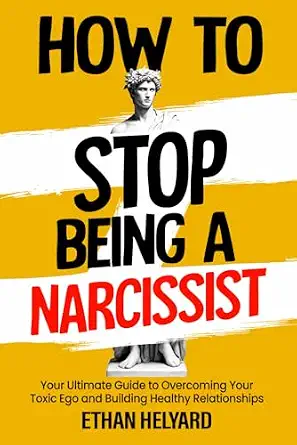 | Best for Relationship-Focused Self-Help | ISBN: 1836546025 | Title focus: Overcoming toxic ego patterns and building healthy relationships | Approach: Self-help and personal growth | VIEW LATEST PRICE | See Our Full Breakdown |
| Recovery from Narcissistic Abuse, Gaslighting, Codependency, and Complex PTSD: 4-Book Workbook and Guide |  | Best for Broad Recovery Topics | Format: 4 books in 1 | Type: Workbook and guide | Primary topic: Recovery from narcissistic abuse | VIEW LATEST PRICE | See Our Full Breakdown |
| Narcissism 101 Infographic: A Visual Guide to Recognizing Narcissistic Behaviors and Protecting Yourself |  | Best Quick Visual Reference | Format: Infographic | Guide type: Visual guide | Primary focus: Recognizing narcissistic behaviors | VIEW LATEST PRICE | See Our Full Breakdown |
| Unmasking Narcissism: A Guide to Understanding the Narcissist in Your Life |  | Best for Understanding Relationship Patterns | Format: Book | Primary focus: Understanding narcissism | Subject: Narcissistic behaviors and traits | VIEW LATEST PRICE | See Our Full Breakdown |
| The Narcissism Recovery Workbook: Skills for Healing from Emotional Abuse |  | Best for Guided Recovery Exercises | Format: Workbook | Primary focus: Recovery from emotional abuse | Intended content: Practical recovery skills and exercises | VIEW LATEST PRICE | See Our Full Breakdown |
| Disarming the Narcissist: Surviving and Thriving with the Self-Absorbed |  | Best for Coping Strategies in Ongoing Relationships | Format: Book | Primary focus: Managing narcissistic behavior | Relationship context: Relationships with self-absorbed individuals | VIEW LATEST PRICE | See Our Full Breakdown |
| Will I Ever Be Good Enough?: Healing the Daughters of Narcissistic Mothers |  | Best for Mother-Daughter Wounds | Format: Book | Subject: Healing from the effects of narcissistic mothers | Intended audience: Daughters of narcissistic mothers | VIEW LATEST PRICE | See Our Full Breakdown |
| Antisocial, Borderline, Narcissistic and Histrionic Workbook: Treatment Strategies for Cluster B Personality Disorders |  | Best for Structured Clinical Exploration | Format: Workbook | Subject: Cluster B personality disorders | Disorders named: Antisocial, borderline, narcissistic, and histrionic | VIEW LATEST PRICE | See Our Full Breakdown |
| You’re Not the Problem: The Impact of Narcissism and Emotional Abuse and How to Heal |  | Best for Abuse-Recovery Context | Format: Book | Subject: Narcissism and emotional abuse | Stated focus: Impact and healing | VIEW LATEST PRICE | See Our Full Breakdown |
| Recovering from Narcissistic Abuse: Somatic Healing Exercises to Safely Release Stored Trauma |  | Best for Body-Based Practice | Format: Book | Subject: Recovery from narcissistic abuse | Exercise type: Somatic healing exercises | VIEW LATEST PRICE | See Our Full Breakdown |
| If Only I’d Known!: How to Outsmart Narcissists, Set Guilt-Free Boundaries, and Create Unshakeable Self-Worth |  | Best for Boundaries and Self-Worth | Format: Book | Subject: Dealing with narcissists | Stated approach: Practical advice and personal empowerment | VIEW LATEST PRICE | See Our Full Breakdown |
| narcissism therapy exercise | Format | Exercise details |
|---|---|---|
| Understanding Narcissism: The | Not provided | Not provided |
| The Narcissism Recovery Journa | — | — |
| Rethinking Narcissism: The Sec | — | — |
| Enough! I Refuse to Be a Narci | — | — |
| How To Stop Being A Narcissist | — | — |
| Recovery from Narcissistic Abu | 4 books in 1 | Not specified in the supplied product information |
| Narcissism 101 Infographic: A | Infographic | — |
| Unmasking Narcissism: A Guide | Book | Not specified in the supplied product information |
| The Narcissism Recovery Workbo | Workbook | Specific activities are not described in the supplied product information |
| Disarming the Narcissist: Surv | Book | Not specified in the supplied product information |
| Will I Ever Be Good Enough?: H | Book | Not specified in the supplied product information |
| Antisocial | Workbook | — |
| You’re Not the Problem: The Im | Book | Not specified in the supplied product information |
| Recovering from Narcissistic A | Book | Specific practices are not described in the supplied product information |
| If Only I’d Known!: How to Out | Book | Not specified in the supplied product information |
More Details on Our Top Picks
Understanding Narcissism: The Spectrum of Narcissistic Behaviors and Healing from Narcissistic Abuse
This title is the clearest fit for readers who need context before choosing exercises: its focus spans narcissistic behaviors and healing from abuse, rather than presenting itself as a dedicated prompt journal. Compared with The Narcissism Recovery Journal, it appears better suited to building a broader framework than to following a sequence of written practices. That can help readers make sense of patterns before deciding what kind of support they need. The tradeoff is that the available product information does not identify specific exercises, chapters, or a format, so I can’t judge how actionable its guidance is. I’d treat it as an orientation resource, not a substitute for structured therapy or a verified exercise program.
Pros:- Covers both narcissistic behavior patterns and recovery from abuse
- Its spectrum framing may help readers avoid treating every difficult behavior as identical
- Could serve as a context-setting companion to exercise-focused books
Cons:- The supplied information does not describe specific exercises or practical methods
- Format, length, author credentials, and edition are not provided
- The title’s broad scope may not give readers a focused practice plan
Best for: Readers who want an introductory overview of narcissistic behaviors and abuse recovery before starting a more structured journal or workbook
Not ideal for: Buyers looking for clearly described, step-by-step therapy exercises or a prompt-by-prompt recovery plan
- ASIN:B0FK584ML1
- Title focus:Narcissistic behaviors and healing from narcissistic abuse
- Behavior framing:Spectrum of narcissistic behaviors
- Exercise details:Not provided
- Format:Not provided
- Edition:Not provided
Our verdict“Choose it for broad context on narcissism and abuse recovery, but pick The Narcissism Recovery Journal if guided written practice is your priority.”
The Narcissism Recovery Journal: Prompts and Practices for Healing from Emotional Abuse
For readers who want an activity rather than another explanation of narcissism, this is the most directly practice-oriented choice in this group. Its guided prompts and recovery practices give journaling a defined purpose: reflection and self-discovery after emotional abuse. Compared with Understanding Narcissism, it points more clearly toward doing written work, while Rethinking Narcissism is described as a broader guide to recognizing and coping with narcissism. The tradeoff is that the available description does not name the prompts, explain how the practices are sequenced, or indicate whether they address the reader’s own narcissistic traits versus recovery from a relationship. I’d choose it for supported reflection, not as a stand-alone clinical program.
Pros:- Explicitly offers guided prompts rather than only general discussion
- Connects journaling with emotional-abuse recovery and self-discovery
- Practice-oriented description makes its role clearer than the overview-focused titles
Cons:- The supplied description does not identify the prompts or practices in detail
- No information is provided about format, length, or exercise progression
- Its stated focus is abuse recovery, which may not match readers seeking self-change exercises
Best for: People recovering from emotional abuse who want guided journaling prompts and practical reflection exercises
Not ideal for: Readers seeking a detailed clinical workbook, a clearly stated exercise sequence, or help specifically changing their own narcissistic behaviors
- ISBN:164876584X
- Product type:Recovery journal
- Stated focus:Healing from emotional abuse
- Practice format:Prompts and practices
- Intended activities:Journaling and self-discovery
- Exercise sequence:Not specified
Our verdict“Pick this journal if you want guided writing for emotional-abuse recovery, but look elsewhere for a clearly mapped clinical exercise program.”
Rethinking Narcissism: The Secret to Recognizing and Coping with Narcissists
This pick emphasizes recognizing narcissism and coping with narcissists, making it a better fit for readers trying to interpret relationship dynamics than for those seeking a workbook of exercises. The supplied description identifies the author as a psychologist with expertise in the field, which distinguishes it from titles here whose author details are absent. Compared with The Narcissism Recovery Journal, it offers a conceptual and coping-oriented approach rather than guided writing; that can help readers understand what they are responding to, but it may leave them wanting more direct practice. The description also warns that the material may feel dense to casual readers. I’d choose it for insight and coping strategies, not for a short, hands-on therapy routine.
Pros:- Combines recognition of narcissistic behavior with coping strategies
- Described as written by a psychologist with relevant expertise
- Addresses a spectrum of behaviors rather than presenting only a single relationship scenario
Cons:- The description suggests the material may be dense for casual readers
- No specific therapy exercises or worksheet format are identified
- Edition and format details are not provided
Best for: Readers who want psychologist-authored context and coping strategies for dealing with narcissistic behavior in relationships
Not ideal for: People who want accessible, step-by-step journaling exercises or a concise workbook focused on changing their own behavior
- ISBN:0062348116
- Title focus:Recognizing and coping with narcissists
- Approach:Understanding narcissism and coping strategies
- Author description:Psychologist with expertise in the field, according to supplied product information
- Exercise format:Not specified
- Edition and format:Not provided
Our verdict“Choose this for a psychologist-authored perspective on recognition and coping, and choose The Narcissism Recovery Journal for guided written exercises.”
Enough! I Refuse to Be a Narcissist Anymore: How to Stop Being a Narcissist – Self-Help for the Narcissist
Unlike the relationship-focused angle of Rethinking Narcissism, this book speaks directly to readers who want to change their own narcissistic tendencies. Its stated aim—personal growth and healthier relationships—makes it the most self-change-oriented title in this batch. That direct audience can be useful for someone ready to examine their behavior, rather than someone mainly seeking recovery from another person’s abuse. The limitation is the thin description: it mentions practical strategies but does not explain what they are, how exercises work, or whether the guidance distinguishes traits from a clinical diagnosis. Compared with How To Stop Being A Narcissist, it has a similarly direct premise but less detail available about its approach. I’d view it as a targeted self-help option with uncertain exercise depth.
Pros:- Addresses readers seeking to change their own narcissistic tendencies
- Connects personal growth with healthier relationships
- Its direct framing makes the intended audience easy to identify
Cons:- The supplied description does not explain its strategies or exercises
- No details are given about format, length, or structure
- The available information does not clarify how it handles clinical diagnosis or professional support
Best for: Readers who recognize harmful patterns in their own behavior and want self-help guidance aimed at healthier relationships
Not ideal for: People seeking a detailed workbook with named exercises, a clear chapter plan, or support primarily for recovering from someone else’s abuse
- ASIN:B0F3JBMHBJ
- Title focus:Stopping narcissistic behavior
- Intended audience:Self-help for readers seeking to change their own behavior
- Stated goals:Personal growth and healthier relationships
- Strategy details:Practical strategies mentioned; specifics not provided
- Format and structure:Not provided
Our verdict“Consider it if your goal is self-directed change in your own relationship patterns, but seek a more fully described workbook if you need concrete exercises.”
How To Stop Being A Narcissist: Your Ultimate Guide to Overcoming Your Toxic Ego and Building Healthy Relationships
This book frames self-change around two connected aims: reducing toxic ego patterns and building healthier relationships. That makes it a plausible match for readers who want personal-growth advice tied to how they treat other people, rather than the abuse-recovery focus of The Narcissism Recovery Journal. It overlaps with Enough! I Refuse to Be a Narcissist Anymore in addressing readers who want to stop harmful behavior, but its title gives more emphasis to relationship outcomes. The available description says it offers practical strategies, yet supplies no chapter outline or examples of exercises, so buyers cannot tell how much is structured practice versus general advice. I’d put it behind the journal for exercise clarity, while favoring it for its explicit relationship-building focus.
Pros:- Pairs behavior change with the concrete aim of healthier relationships
- Described as offering practical strategies and personal-growth advice
- Its self-change focus distinguishes it from books centered on surviving narcissistic abuse
Cons:- No chapter overview or specific exercise examples are supplied
- The structure and format are not described
- The available information does not establish how detailed or clinically grounded its guidance is
Best for: Readers seeking self-help advice that links changing self-centered patterns with building healthier relationships
Not ideal for: Buyers who need a transparent exercise outline, a guided journal, or detailed evidence about the book’s methods before choosing
- ISBN:1836546025
- Title focus:Overcoming toxic ego patterns and building healthy relationships
- Approach:Self-help and personal growth
- Stated content:Practical strategies
- Exercise examples:Not provided
- Chapter overview and format:Not provided
Our verdict“Choose it for relationship-centered self-help on changing narcissistic patterns, but select The Narcissism Recovery Journal if visible guided exercises matter most.”
Recovery from Narcissistic Abuse, Gaslighting, Codependency, and Complex PTSD: 4-Book Workbook and Guide
This set is the broadest-scope choice here: its four-book format brings narcissistic abuse, gaslighting, codependency, and complex PTSD under one recovery-focused umbrella. For readers seeking exercises, the workbook format suggests space for guided reflection, while the range of subjects may help connect relationship patterns with their emotional effects. Compared with The Narcissism Recovery Workbook, which is described as focused on practical recovery skills and self-esteem, this title appears to cover more adjacent concerns but provides less detail about the specific exercises included. That makes it a possible fit for readers who want a wide starting point, not a clearly mapped program. The product information does not specify its contents or methods, so buyers looking for a defined sequence of activities should choose a more clearly described workbook.
Pros:- Covers narcissistic abuse, gaslighting, codependency, and complex PTSD
- Four-book format offers a broad set of related topics
- Workbook format may support guided reflection
- Focuses on recovery from unhealthy relationships
Cons:- Available information does not identify specific exercises or chapter contents
- The broad subject range may offer less focus than a dedicated recovery workbook
Best for: Readers seeking one workbook-and-guide set that addresses narcissistic abuse alongside gaslighting, codependency, and complex PTSD
Not ideal for: Buyers who need a detailed exercise list, a clearly described step-by-step plan, or a narrowly focused workbook
- Format:4 books in 1
- Type:Workbook and guide
- Primary topic:Recovery from narcissistic abuse
- Related topics:Gaslighting, codependency, and complex PTSD
- Focus:Recovery from trauma and unhealthy relationships
- Exercise details:Not specified in the supplied product information
Our verdict“Choose this set if you want a broad workbook-and-guide approach to several connected recovery topics, and skip it if you need clearly listed exercises.”
Narcissism 101 Infographic: A Visual Guide to Recognizing Narcissistic Behaviors and Protecting Yourself
This infographic is the most concise, visual option in this group, aimed at readers who want to recognize behaviors and think about self-protection without starting with a full workbook. Its visual explanations may make key ideas easier to scan, and its emphasis on healthy boundaries connects awareness to a practical relationship concern. Compared with Unmasking Narcissism, which is presented as a book offering broader insight and coping guidance, this guide is better suited to quick orientation than extended learning. That brevity is also its limit: the description does not point to interactive prompts, a sequence of exercises, or substantial context for interpreting behavior. I would treat it as a supplementary awareness aid, not a substitute for structured narcissism therapy exercises or individualized support.
Pros:- Visual format offers a quick way to review behavioral concepts
- Focuses on recognizing narcissistic behaviors
- Includes a self-protection and boundary-setting angle
Cons:- Limited detail compared with a full book or workbook
- No interactive exercises or detailed content are described
- May not provide enough context to apply concepts to complex situations
Best for: Readers who prefer a concise visual aid for recognizing behavior patterns and reviewing boundary-setting ideas
Not ideal for: Readers seeking workbook prompts, detailed explanations, or a structured course of recovery exercises
- Format:Infographic
- Guide type:Visual guide
- Primary focus:Recognizing narcissistic behaviors
- Additional focus:Protecting yourself
- Relationship skill:Maintaining healthy boundaries
- Interactive content:Not described
Our verdict“Pick this as a brief visual reference for awareness and boundaries, not as your main source of guided exercises.”
Unmasking Narcissism: A Guide to Understanding the Narcissist in Your Life
This book is the understanding-first pick for readers who want context about narcissistic behaviors before choosing how to respond. Its stated focus is on recognizing traits and relationship dynamics, with guidance on coping with a narcissist in one’s life. Compared with Narcissism 101 Infographic, it is positioned as a fuller book rather than a quick visual overview, making it a better match for readers who want more sustained explanation. Yet the supplied description does not identify particular exercises, strategies, or a practice sequence, so it is less clearly suited to hands-on work than The Narcissism Recovery Workbook. I would place it ahead of a quick reference for readers prioritizing understanding, but not for those whose main goal is a structured set of therapy-style activities.
Pros:- Centers on understanding narcissistic behaviors and traits
- Addresses dynamics in personal relationships
- Aims to offer coping guidance, not only behavior identification
Cons:- The supplied information does not name specific strategies or exercises
- No detailed contents are provided to judge its depth or structure
Best for: Readers who want a book-length introduction to narcissistic traits and relationship dynamics before choosing coping approaches
Not ideal for: Readers who want clearly described worksheets, step-by-step strategies, or practical exercises to complete
- Format:Book
- Primary focus:Understanding narcissism
- Subject:Narcissistic behaviors and traits
- Relationship focus:The narcissist in the reader’s life
- Stated aim:Recognize and cope with narcissistic behavior
- Exercise details:Not specified in the supplied product information
Our verdict“Choose this for a broader understanding of narcissistic relationship patterns, but look elsewhere if exercises are your priority.”
The Narcissism Recovery Workbook: Skills for Healing from Emotional Abuse
Among these five, this is the clearest match for readers looking for practical recovery skills rather than a general explanation of narcissism. The description specifically identifies it as a workbook for healing from emotional abuse and building healthier self-esteem, which gives it a more direct exercise-oriented purpose than Unmasking Narcissism. That focus may suit survivors who want to work on their own recovery instead of concentrating mainly on interpreting another person’s behavior. The tradeoff is that the supplied information does not list the activities or explain how the workbook is organized, so buyers cannot tell how much guidance or structure it offers. Compared with the four-book recovery set, it is more focused, but its stated scope is narrower.
Pros:- Explicitly presents itself as a workbook with practical recovery skills
- Focuses on healing from emotional abuse
- Includes healthier self-esteem as a stated aim
- More directly exercise-oriented than general awareness titles
Cons:- Specific activities and workbook structure are not described
- Its stated focus is narrower than the four-book recovery set
Best for: Survivors of emotional abuse who want a workbook focused on recovery skills and rebuilding self-esteem
Not ideal for: Readers seeking a detailed preview of exercises, a broad guide to related topics, or advice centered on managing another person’s behavior
- Format:Workbook
- Primary focus:Recovery from emotional abuse
- Intended content:Practical recovery skills and exercises
- Stated goal:Healing
- Self-esteem focus:Building healthier self-esteem
- Exercise details:Specific activities are not described in the supplied product information
Our verdict“Choose this if hands-on recovery and self-esteem work matter more than a broad survey of narcissism-related topics.”
Disarming the Narcissist: Surviving and Thriving with the Self-Absorbed
This book is the most response-oriented choice here: its description emphasizes recognizing and managing narcissistic behavior so readers can handle relationships with self-absorbed people. That makes it distinct from The Narcissism Recovery Workbook, which is framed around healing emotional abuse and strengthening self-esteem rather than managing another person’s behavior. The stated mix of practical advice and psychological insight may appeal to readers still dealing with difficult interactions and seeking ways to protect their own well-being. The tradeoff for this roundup is that no specific exercises or methods are identified, so its fit for structured therapy practice is unclear. Readers seeking recovery worksheets should favor the workbook; readers seeking relationship-management guidance may find this focus more relevant.
Pros:- Focuses on practical strategies for managing narcissistic behavior
- Pairs relationship guidance with psychological insight
- Addresses coping and personal empowerment
- Aims to help readers improve relationship dynamics
Cons:- Specific techniques and exercises are not detailed in the supplied information
- The description notes that it may not cover every type of narcissistic personality
- Less directly focused on structured recovery exercises than a workbook
Best for: Readers who remain in contact with a self-absorbed person and want guidance on recognizing and managing difficult behavior
Not ideal for: Readers seeking a dedicated healing workbook, listed exercises, or material focused primarily on rebuilding self-esteem
- Format:Book
- Primary focus:Managing narcissistic behavior
- Relationship context:Relationships with self-absorbed individuals
- Stated content:Practical advice and psychological insights
- Stated aims:Survive and thrive in difficult relationships
- Exercise details:Not specified in the supplied product information
Our verdict“Choose this for coping guidance in a difficult ongoing relationship, and choose a recovery workbook if you want exercises centered on your own healing.”
Will I Ever Be Good Enough?: Healing the Daughters of Narcissistic Mothers
A focused choice for daughters of narcissistic mothers, this book centers on emotional wounds and self-acceptance rather than exercises for changing a person with narcissistic traits. Its value for a therapy-exercise roundup is the targeted healing perspective: readers can use its guidance to reflect on how a maternal relationship has affected their self-view. Compared with The Narcissism Recovery Journal, which is framed around prompts and practices, this title is more specific to one family relationship and may suit readers seeking context before structured journaling. The tradeoff is that the supplied product information does not identify particular exercises, a format, or clinical scope. I’d choose it for relationship-specific reflection, but not as a substitute for a clearly outlined workbook or professional care.
Pros:- Addresses the specific impact of a narcissistic maternal relationship
- Focuses on healing emotional wounds and self-acceptance
- Offers guidance and strategies rather than focusing only on identifying behaviors
Cons:- The provided information does not specify concrete exercises or their structure
- Its mother-daughter focus may not fit readers dealing with other relationships
- No format, length, or professional-support details are provided
Best for: Adult daughters seeking self-reflection and healing related to a narcissistic mother
Not ideal for: Readers seeking a clearly specified exercise workbook, broad coverage of narcissistic relationships, or support for changing their own narcissistic behavior
- Format:Book
- Subject:Healing from the effects of narcissistic mothers
- Intended audience:Daughters of narcissistic mothers
- Stated focus:Emotional wounds and self-acceptance
- Approach:Insights, guidance, and strategies
- Exercise details:Not specified in the supplied product information
Our verdict“Choose this for relationship-specific reflection on a narcissistic mother, not for a step-by-step exercise program.”
Antisocial, Borderline, Narcissistic and Histrionic Workbook: Treatment Strategies for Cluster B Personality Disorders
The most explicitly treatment-oriented pick here, this workbook names practical strategies and exercises for understanding and managing Cluster B personality disorders, including narcissistic personality disorder. That broader clinical scope sets it apart from Will I Ever Be Good Enough?, which concentrates on the impact of a narcissistic mother rather than multiple diagnoses. The range may help mental health professionals or readers who want a structured framework, but it also means narcissism is only one part of the subject. The supplied details do not explain the exercise sequence, intended level of clinical expertise, or how material is adapted for individual readers. I’d favor it when a broad treatment-strategy workbook is the goal; readers seeking a personal recovery narrative or a narrow focus on narcissistic abuse may find it less tailored.
Pros:- Explicitly presents treatment strategies and practical exercises
- Includes narcissistic personality disorder within a broader clinical framework
- May serve both professional and individual readers seeking structured material
Cons:- Covers four disorder categories, so the narcissism material may not be the sole focus
- The supplied information does not describe specific exercises or their progression
- The intended clinical level and support needs are not detailed
Best for: Mental health professionals and informed readers seeking exercises that address Cluster B disorders, including narcissistic traits
Not ideal for: Readers wanting a narcissism-only guide, a personal recovery focus, or clearly described exercises before choosing
- Format:Workbook
- Subject:Cluster B personality disorders
- Disorders named:Antisocial, borderline, narcissistic, and histrionic
- Stated approach:Treatment strategies
- Exercise content:Practical exercises for understanding and management
- Intended audience:Mental health professionals and individuals
Our verdict“Pick this when you want a broad, treatment-strategy workbook that includes narcissism alongside other Cluster B disorders.”
You’re Not the Problem: The Impact of Narcissism and Emotional Abuse and How to Heal
This pick centers recovery from narcissism-related emotional abuse, making it a better fit for readers trying to understand harm they have experienced than for readers seeking exercises to change narcissistic behavior in themselves. Its stated emphasis is healing, while Recovering from Narcissistic Abuse: Somatic Healing Exercises to Safely Release Stored Trauma signals a more specific body-based exercise approach. That distinction matters: this title may offer a broader recovery frame, but the supplied description does not confirm particular practices, worksheets, or a therapeutic method. I’d place it ahead of a general narcissism guide for readers focused on emotional abuse, yet behind a clearly exercise-led workbook when hands-on activities are the main need. The lack of detail makes it hard to judge how structured its guidance is.
Pros:- Directly addresses narcissism and emotional abuse
- Frames the subject around healing and recovery
- May suit readers focused on the effects of abuse rather than diagnosing another person
Cons:- The supplied description does not identify specific exercises or therapeutic tools
- No details are provided about structure, format, or intended audience
- Its practical depth cannot be judged from the available product information
Best for: Readers seeking a healing-focused account of narcissism and emotional abuse and its effects
Not ideal for: Readers who need verified somatic exercises, worksheets, or a clearly described step-by-step therapy practice
- Format:Book
- Subject:Narcissism and emotional abuse
- Stated focus:Impact and healing
- Recovery audience:Readers affected by narcissism and emotional abuse
- Exercise details:Not specified in the supplied product information
- Therapeutic method:Not specified in the supplied product information
Our verdict“Choose this for a healing-centered focus on emotional abuse, but select a specified workbook if exercises are your priority.”
Recovering from Narcissistic Abuse: Somatic Healing Exercises to Safely Release Stored Trauma
Somatic exercises are the defining reason to choose this title: it connects recovery from narcissistic abuse with body-based practices intended to address stored trauma. That makes it more directly aligned with exercise-seekers than You’re Not the Problem, whose supplied description describes healing but does not name a method or activities. The title also signals an emphasis on safety, which may appeal to readers looking for gentle body awareness rather than purely cognitive reflection. Still, the available information offers no examples of exercises, guidance on pacing, or detail about who should use them. I’d treat the somatic focus as a useful distinction, not proof that the approach fits every reader. Anyone with significant trauma symptoms may prefer to use such practices with a qualified clinician.
Pros:- Explicitly focuses on somatic healing exercises
- Connects the practices to trauma related to narcissistic abuse
- Signals attention to safe release and body-based recovery
Cons:- No examples or descriptions of the exercises are supplied
- The available details do not explain pacing or clinical safeguards
- Readers seeking broader boundary-setting or relationship guidance may need another resource
Best for: Readers recovering from narcissistic abuse who specifically want a body-based exercise approach
Not ideal for: Readers who prefer cognitive or journaling exercises, or who need confirmed guidance on trauma-informed pacing and clinical support
- Format:Book
- Subject:Recovery from narcissistic abuse
- Exercise type:Somatic healing exercises
- Stated aim:Safely release stored trauma
- Therapeutic focus:Body-based trauma recovery
- Exercise details:Specific practices are not described in the supplied product information
Our verdict“Choose this for a specifically somatic exercise focus, while checking whether its guidance suits your support needs.”
If Only I’d Known!: How to Outsmart Narcissists, Set Guilt-Free Boundaries, and Create Unshakeable Self-Worth
Practical boundary-setting and self-worth are this book’s clearest strengths, so I’d place it with readers seeking exercises or guidance for their responses to narcissistic people rather than treatment for narcissistic traits themselves. Its empowerment angle differs from Recovering from Narcissistic Abuse, which specifically points to somatic trauma practices; this title instead emphasizes setting boundaries and building resilience. That focus can make it more actionable for people dealing with difficult relationships, though the supplied description does not confirm worksheets, scripts, or a step-by-step exercise plan. The framing around “outsmarting” narcissists may also feel less suitable to readers seeking neutral clinical language. I’d choose it for personal agency and boundary work, not as a clinical treatment guide.
Pros:- Emphasizes practical strategies for dealing with narcissistic people
- Makes guilt-free boundary-setting a central focus
- Connects personal empowerment with self-worth and resilience
Cons:- The supplied details do not confirm specific exercises or worksheets
- The “outsmart” framing may not suit readers seeking neutral clinical language
- No case-study or structured-program details are provided
Best for: Readers who want practical guidance for setting boundaries and strengthening self-worth while dealing with narcissistic people
Not ideal for: Readers seeking somatic trauma exercises, a clinical treatment workbook, or guidance for changing their own narcissistic behavior
- Format:Book
- Subject:Dealing with narcissists
- Stated approach:Practical advice and personal empowerment
- Boundary focus:Setting guilt-free boundaries
- Self-development focus:Self-worth and emotional resilience
- Exercise details:Not specified in the supplied product information
Our verdict“Choose this for boundary-setting and self-worth guidance, rather than somatic practice or clinical treatment strategies.”

How We Picked
I compared the 15 titles by how directly they support the search for usable exercises, how clearly their stated focus matches a reader’s goal, and how approachable their format appears from the title and scope. I also weighed whether an option offers a focused route—such as journaling, somatic exercises, or boundary setting—or a broader introduction to narcissism and recovery. Because the books address different audiences, I did not treat every title as a substitute for every other one.
The ranking favors resources whose stated purpose most closely matches active practice and recovery, with more general explainers and narrowly targeted guides placed according to their fit for particular readers. A workbook is not a diagnosis or a replacement for professional care, and a title aimed at people affected by narcissistic behavior should not be mistaken for a treatment plan for changing one’s own behavior. I used the stated product titles and descriptions as the basis for comparison; readers should check the contents and intended audience before choosing.
| narcissism therapy exercise | Exercise details |
|---|---|
| Understanding Narcissism: The | Not provided |
| The Narcissism Recovery Journa | — |
| Rethinking Narcissism: The Sec | — |
| Enough! I Refuse to Be a Narci | — |
| How To Stop Being A Narcissist | — |
| Recovery from Narcissistic Abu | Not specified in the supplied product information |
| Narcissism 101 Infographic: A | — |
| Unmasking Narcissism: A Guide | Not specified in the supplied product information |
| The Narcissism Recovery Workbo | Specific activities are not described in the supplied product information |
| Disarming the Narcissist: Surv | Not specified in the supplied product information |
| Will I Ever Be Good Enough?: H | Not specified in the supplied product information |
| Antisocial | — |
| You’re Not the Problem: The Im | Not specified in the supplied product information |
| Recovering from Narcissistic A | Specific practices are not described in the supplied product information |
| If Only I’d Known!: How to Out | Not specified in the supplied product information |
Factors to Consider When Choosing Narcissism Therapy Exercises
Before choosing, decide what you want to practice and whose behavior the resource addresses. The title alone can make a guide sound like therapy, but the lineup includes education, self-directed reflection, recovery work, and relationship strategies. These factors can help you avoid choosing a useful book for the wrong problem.
Choose Exercises for Your Actual Goal
Start by naming the change you want: understanding a pattern, changing your own responses, setting boundaries, or processing the effects of emotional abuse. A book about recognizing narcissistic behavior may help you put language to an experience without giving you a step-by-step practice routine. A recovery workbook may offer a more active format, but it may not address someone seeking to change their own conduct. Avoid choosing by the word “narcissism” alone; check whether the intended reader is the person concerned about their behavior or someone affected by another person’s. If the goal is unclear, a general guide can provide orientation before you commit to a narrower workbook.
Separate Self-Change From Abuse Recovery
These are related but different paths. A person trying to change harmful interpersonal habits may need honest self-observation and professional guidance, while someone recovering from abuse may need safety, support, and tools for rebuilding trust in their own perceptions. A title framed around coping with narcissists is not a treatment resource for narcissistic traits, and a self-help title aimed at behavior change may not address trauma. One common mistake is buying a single book and expecting it to serve both roles. If more than one need applies, choose the most urgent one first and treat other resources as supplementary.
Match the Format to How You Reflect
Journal prompts suit readers who can process experiences by writing, while a workbook may be a better fit for people who want an organized sequence of skills or activities. Visual guides can make concepts easier to scan but may not provide enough space for sustained personal work. Broad books can build context, though they may require more independent effort to turn ideas into regular practice. Be realistic about whether you will use a format repeatedly rather than choosing the one that sounds most ambitious. If writing feels frustrating or unsafe, a prompt-heavy resource may be a poor fit even if its subject is relevant.
Treat Specialized Topics as a Fit Question
Some titles focus on particular experiences, such as the impact of a narcissistic mother, somatic approaches to trauma, or Cluster B personality disorders. That narrower scope can make a resource more relevant when it matches your situation, but it can also leave other readers with material that feels remote or overly clinical. Check whether the topic describes your experience rather than assuming that a label fits you or someone else. A book is not a diagnostic tool, and exercises involving trauma can bring up difficult feelings. If the material feels destabilizing, pause and seek support rather than pushing through alone.
Decide How Much Breadth You Need
A multi-topic guide may be helpful when several concerns overlap, but broad coverage can make it harder to stay focused on one immediate goal. A short, specific resource can be easier to use consistently, yet may not explain the larger relationship or recovery context. Think about whether you need an overview first or a clear practice path now. Readers new to the topic may prefer accessible explanations before taking on a specialized workbook, while experienced readers may want one targeted method. Check the contents when available and look for a match between the book’s scope and the time and attention you can give it.
Know When a Book Is Not Enough
Self-guided exercises can support reflection, but they cannot assess risk, diagnose a condition, or provide individualized treatment. If a relationship involves intimidation, threats, or ongoing harm, personal safety and qualified support matter more than finding the perfect workbook. People working on entrenched behavior may benefit from a licensed mental health professional who can provide feedback and accountability. Do not use a book’s labels to diagnose a partner, family member, or yourself. Choose an exercise resource as one part of support, not as a substitute for care when the situation calls for it.
Frequently Asked Questions
Which type of book should I choose if I want exercises rather than general information?
Look for “workbook,” “journal,” or “exercises” in the title and confirm the intended audience in the description or sample pages. In this lineup, The Narcissism Recovery Workbook and The Narcissism Recovery Journal are the clearest practice-oriented starting points based on their stated focus. A general explainer may help you understand patterns, but it may not offer a regular activity sequence. Check whether the format asks for writing, skills practice, or reflection, since those demands feel different in daily use. If you need individualized exercises, a mental health professional can help tailor them.
Can I use a recovery book if I am worried about my own narcissistic behavior?
Possibly, but first check whether the book is written for self-change or for people recovering from someone else’s behavior. Many titles in this roundup focus on emotional abuse and coping with narcissists, which may not address accountability or behavior change. Enough! I Refuse to Be a Narcissist Anymore and How To Stop Being A Narcissist state a more direct self-change focus in their titles, though a title cannot establish the quality or suitability of treatment. If these concerns affect relationships, a licensed clinician can help assess them without relying on self-labeling. Use a book as a reflection aid, not a diagnosis.
Should I pick a broad guide or a specialized workbook?
Choose a broad guide if you are still trying to understand the language and patterns involved; choose a specialized workbook when you already know the kind of practice you need. Broad coverage can connect related concerns, but it may take more effort to find a focused routine. A specialized title, such as one centered on somatic exercises or a particular family relationship, can feel more relevant but may not fit other experiences. If you are uncertain, start with the topic that is most pressing rather than buying several overlapping resources. You can add a narrower resource later if the first leaves a clear gap.
Are these books appropriate if I am dealing with current abuse or feel unsafe?
A book may offer language and reflection, but it should not be your only source of support when harm is ongoing. Prioritize immediate safety and contact a trusted professional or local support service if you face threats, coercion, or danger. Exercises about trauma or relationships can stir strong reactions, so you do not need to complete them on a schedule. A clinician or qualified advocate can help you decide which material is safe and useful for your situation. No workbook can replace individualized safety planning or care.
How can I tell whether a title about narcissism fits me without diagnosing myself or someone else?
Use the book’s stated audience and topic as a guide to its purpose, not as proof that a diagnostic label applies. Focus on specific experiences—such as difficulty setting boundaries or wanting to change a repeated response—rather than deciding that another person has a disorder. Educational books can describe behaviors, but only qualified clinicians can evaluate mental health conditions. If the label is increasing conflict or distress, step back from diagnosis-focused material and seek a neutral professional perspective. Choose exercises based on the support you need, not on a label you cannot verify.
Conclusion
Best overall: I would start with The Narcissism Recovery Workbook if your priority is structured recovery skills. Best value in scope: the four-book recovery guide suits readers who want to explore several connected topics in one resource, while accepting that it may feel less focused. Best for beginners: Rethinking Narcissism offers a broader entry point for understanding patterns; best for journaling: The Narcissism Recovery Journal is the more natural fit for prompt-led reflection. For specific needs, consider Will I Ever Be Good Enough? for the experience named in its title or the somatic-healing guide for readers seeking that approach. These recommendations are based on stated focus and format, not clinical outcomes; choose the title that matches your goal, and seek professional help when you need individualized care.