


Among these gaming headsets, I rank the SteelSeries Arctis Nova 5 Wireless as the best overall for its multi-system design and wireless convenience. The HyperX Cloud III Wired is a strong choice if you prefer a straightforward wired headset, while the Razer BlackShark V3 X HyperSpeed stands out for players who want wireless freedom. The main tradeoffs are wired simplicity versus wireless flexibility, broad platform support versus a headset tailored to one console, and extra features versus a lower-cost basic setup. Microphone quality, long-session comfort, and connection type can matter more than surround-sound labels. Read on for the full comparison and a guide to choosing the right headset for your games and devices.

Turn your wind-down time into listening time
- Thousands of audiobooks, podcasts and originals
- Listen on your phone, tablet or Echo — also offline
- Cancel anytime
Complete the kit


Key Takeaways
- The Arctis Nova 5 Wireless leads for versatility: its multi-system positioning makes it a better fit for players switching devices than headsets tied to a narrower platform setup.
- Wired models still make a practical case: the HyperX Cloud III, Logitech G432, JBL Quantum 100M2, and Razer BlackShark V2 X avoid battery management, but require a compatible wired connection.
- Wireless options are not interchangeable: the Razer BlackShark V3 X HyperSpeed, Logitech G522 Lightspeed, Turtle Beach Stealth 600, and Ozeino OW810 each appeal to different setup priorities, so confirm device compatibility before choosing.
- Several picks are specialized by platform or feature: the Razer BlackShark V2 X Xbox edition is aimed at Xbox users, while the PC and white variants serve narrower setup or style preferences.
- Basic surround-sound claims should not drive the decision: the Ozeino ZW1 advertises 7.1 surround sound, but comfort, microphone usability, connection fit, and game-specific audio matter more in day-to-day use.
| Razer BlackShark V2 X Gaming Headset for PC, 3.5mm Audio Jack, White |  | Best Lightweight Wired Pick | Drivers: TriForce 50 mm | Surround sound: 7.1; Windows 10 64-bit required for surround features | Microphone: Bendable HyperClear cardioid | VIEW ON AMAZON | See Our Full Breakdown |
| BENGOO G9000 Stereo Gaming Headset | 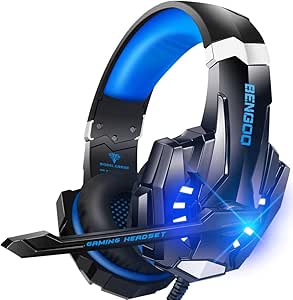 | Best for Multi-Device Basics | Driver size: 40 mm | Microphone: Adjustable omnidirectional, noise-isolating | Controls: In-line volume and microphone mute | VIEW ON AMAZON | See Our Full Breakdown |
| Razer BlackShark V2 X Gaming Headset |  | Best for Lightweight Cross-Platform Play | Driver size: 50 mm | Surround sound: Software-enabled 7.1; Windows 10 64-bit only | Weight: 240 g | VIEW ON AMAZON | See Our Full Breakdown |
| Razer BlackShark V3 X HyperSpeed Wireless PC Gaming Headset | 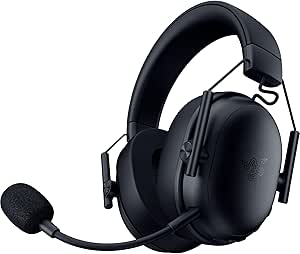 | Best for Flexible Wireless Connections | Driver size: 50 mm TriForce Gen-2 | Connectivity: 2.4 GHz wireless, Bluetooth, USB | Surround sound: 7.1 | VIEW ON AMAZON | See Our Full Breakdown |
| SteelSeries Arctis Nova 5 Wireless Multi-System Gaming Headset, Black |  | Best for Long Wireless Sessions | Wireless connectivity: 2.4 GHz and Bluetooth 5.3 | Battery life: Up to 60 hours | Charging: USB-C fast charge; six hours of use from 15 minutes of charging | VIEW ON AMAZON | See Our Full Breakdown |
| Ozeino OW810 Wireless Gaming Headset for PS5, PS4, PC, and Switch |  | Best for Flexible Wireless Use | Wireless connection: 2.4 GHz USB and USB-C transmitter | Wireless latency: Less than 30 ms | Driver size: 50 mm | VIEW ON AMAZON | See Our Full Breakdown |
| Turtle Beach Stealth 600 Wireless Gaming Headset |  | Best for Long Wireless Sessions | Compatibility: Xbox, PS5, PC, and mobile | Drivers: 50 mm Nanoclear | Wireless: Low-latency 2.4 GHz and Bluetooth 5.4 | VIEW ON AMAZON | See Our Full Breakdown |
| JBL Quantum 100M2 Wired Gaming Headset with Detachable Microphone, Black |  | Best Simple Cross-Platform Pick | Connection: Wired, 3.5 mm jack | Microphone: Detachable directional microphone with mute option | Design: Over-ear | VIEW ON AMAZON | See Our Full Breakdown |
| HyperX Cloud III Wired Gaming Headset |  | Best Built Wired Pick | Connectivity: Wired; USB-C, USB-A, and 3.5 mm | Driver size: 53 mm | Microphone: Detachable, noise-cancelling 10 mm | VIEW ON AMAZON | See Our Full Breakdown |
| Logitech G432 Wired Gaming Headset |  | Best for PC Positional Audio | Type: Wired gaming headset | Driver size: 50 mm | Surround sound: DTS Headphone:X 2.0 | VIEW ON AMAZON | See Our Full Breakdown |
| Logitech G522 Lightspeed Wireless Gaming Headset – Black |  | Best for Long Wireless Sessions | Connectivity: Lightspeed wireless, Bluetooth, USB-C | Battery life: Up to 60 hours | Audio quality: 48 kHz/24-bit | VIEW ON AMAZON | See Our Full Breakdown |
| Razer BlackShark V2 X Xbox Gaming Headset, Black |  | Best Lightweight Wired Pick | Driver size: 50 mm | Microphone: HyperClear cardioid | Weight: 240 g | VIEW ON AMAZON | See Our Full Breakdown |
| Ozeino ZW1 Gaming Headset with 7.1 Surround Sound and Noise-Cancelling Microphone |  | Best for Broad 3.5 mm Compatibility | Type: Over-ear gaming headset | Audio: 7.1 surround sound | Microphone: Rotatable omnidirectional noise-cancelling | VIEW ON AMAZON | See Our Full Breakdown |
| Logitech G PRO X Wired Gaming Headset – Black and Blue | 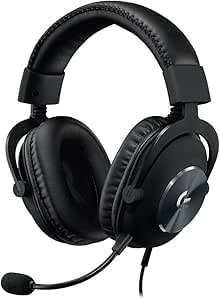 | Best for Tournament-Style Voice Chat | Microphone: Detachable pro-grade microphone with Blue VO!CE | Sound technology: Next-gen 7.1 surround sound, DTS 7.1 | Drivers: 50 mm | VIEW ON AMAZON | See Our Full Breakdown |
| gaming headset | Microphone | Compatibility | Driver size | Warranty |
|---|---|---|---|---|
| Razer BlackShark V2 X Gaming H | Bendable HyperClear cardioid | PC, Mac, PS4, Xbox One, Nintendo Switch | — | — |
| BENGOO G9000 Stereo Gaming Hea | Adjustable omnidirectional, noise-isolating | PS4, PS5, Xbox One, Xbox Series X|S, PC, Nintendo 3DS, laptops, tablets, mobile phones | 40 mm | 2 years |
| Razer BlackShark V2 X Gaming H | Razer HyperClear cardioid | PC, Mac, PS4, Xbox One, Nintendo Switch | 50 mm | 2 years |
| Razer BlackShark V3 X HyperSpe | Detachable 9.9 mm HyperClear cardioid | — | 50 mm TriForce Gen-2 | 2 years |
| SteelSeries Arctis Nova 5 Wire | Retractable ClearCast 2.X, 32 kHz/16-bit audio | PC, PlayStation, Switch, Meta Quest, phones, tablets | — | 1 year |
| Ozeino OW810 Wireless Gaming H | — | PS5, PS4, PC, Mac, laptop, Switch, and mobile devices; not Xbox | 50 mm | — |
| Turtle Beach Stealth 600 Wirel | Flip-to-mute with AI-based noise reduction | Xbox, PS5, PC, and mobile | — | — |
| JBL Quantum 100M2 Wired Gaming | Detachable directional microphone with mute option | — | — | — |
| HyperX Cloud III Wired Gaming | Detachable, noise-cancelling 10 mm | PC, PS5, Xbox Series X|S, Xbox One, Nintendo Switch, Mac, and mobile | 53 mm | 2 years |
| Logitech G432 Wired Gaming Hea | 6 mm flip-to-mute boom mic | PC, Mac, mobile devices, PlayStation 5, PlayStation 4, and Nintendo Switch | 50 mm | — |
| Logitech G522 Lightspeed Wirel | Detachable, 48 kHz/16-bit with Blue VO!CE | — | — | — |
| Razer BlackShark V2 X Xbox Gam | HyperClear cardioid | — | 50 mm | — |
| Ozeino ZW1 Gaming Headset with | Rotatable omnidirectional noise-cancelling | PC, PS4, PS5, Xbox One, Xbox Series X|S, Switch, laptops, and mobile phones with a 3.5 mm jack | — | 3 years |
| Logitech G PRO X Wired Gaming | Detachable pro-grade microphone with Blue VO!CE | — | — | 2-year limited hardware warranty |
More Details on Our Top Picks
Razer BlackShark V2 X Gaming Headset for PC, 3.5mm Audio Jack, White
I’d choose this BlackShark V2 X for a straightforward wired setup where low weight and clear team chat matter more than wireless freedom. At 240 g, it is lighter than the wireless BlackShark V3 X HyperSpeed, while the TriForce 50 mm drivers and Windows 7.1 support are aimed at making game sounds easier to distinguish. Its 3.5 mm connection also suits several consoles and computers without relying on a wireless dongle. The tradeoff is that surround sound depends on Windows 10 64-bit, so console players should not expect that feature everywhere. The cable also limits movement, and some Xbox setups may need a separate stereo adapter. Compared with the SteelSeries Arctis Nova 5, this is the simpler, lighter choice, but it gives up wireless switching and long-session cable freedom.
Pros:- 240 g weight helps keep the headset light during extended play
- TriForce 50 mm drivers and Windows-enabled 7.1 sound support positional audio
- 3.5 mm connection works with PC, Mac, PlayStation, Xbox One, and Nintendo Switch
- Bendable cardioid microphone is designed to focus on voice
Cons:- Wired connection restricts movement compared with the Arctis Nova 5
- 7.1 surround sound requires Windows 10 64-bit
- Some Xbox setups may require a separate stereo adapter
Best for: PC and console players who want a light, wired headset with a 3.5 mm connection and do not need wireless mobility
Not ideal for: Players who move between devices often, need wireless freedom, or want 7.1 surround features available across platforms
- Drivers:TriForce 50 mm
- Surround sound:7.1; Windows 10 64-bit required for surround features
- Microphone:Bendable HyperClear cardioid
- Weight:240 g
- Connection:3.5 mm audio jack
- Compatibility:PC, Mac, PS4, Xbox One, Nintendo Switch
Our verdict“Choose this BlackShark V2 X if you want a light, broadly compatible wired headset and can accept platform-limited surround features.”
BENGOO G9000 Stereo Gaming Headset
The G9000 is the utility pick here: it brings in-line volume and mute controls, a padded over-ear fit, and wide device compatibility without requiring a complicated setup. Its adjustable omnidirectional microphone is suited to casual party chat, while the braided cable and 49-inch length provide a familiar wired arrangement. Compared with the Razer BlackShark V2 X, the BENGOO offers more visible controls on the cable but lists smaller 40 mm drivers and does not provide the same clearly specified lightweight design. The included 7.1 claim also comes without platform details in the supplied specifications, so I would not choose it specifically for surround positioning. The fixed cable can restrict movement, and older Xbox One controllers may need a separate Microsoft adapter. It makes most sense for players who value simple controls and broad device support over refined audio features.
Pros:- In-line volume and microphone-mute controls are easy to reach during play
- Supports a broad range of consoles, computers, and mobile devices
- Adjustable noise-isolating microphone supports team and party chat
- Braided cable and padded over-ear cushions suit a basic wired setup
Cons:- 49-inch cable can limit movement around a desk or couch
- Older Xbox One controllers may require a separate Microsoft adapter
- Supplied specs do not clarify the platform support for its 7.1 surround claim
Best for: Casual players using several supported consoles or devices who want physical volume and microphone-mute controls
Not ideal for: Competitive players seeking clearly documented surround compatibility, wireless movement, or a more specifically detailed audio setup
- Driver size:40 mm
- Microphone:Adjustable omnidirectional, noise-isolating
- Controls:In-line volume and microphone mute
- Cable length:49 inches
- Compatibility:PS4, PS5, Xbox One, Xbox Series X|S, PC, Nintendo 3DS, laptops, tablets, mobile phones
- Warranty:2 years
Our verdict“Pick the G9000 for broad wired device support and handy cable controls, not for clearly defined surround features or wireless freedom.”
Razer BlackShark V2 X Gaming Headset
This BlackShark V2 X is the uncomplicated choice for players who want one lightweight 3.5 mm headset across PC and console. Its 240 g build, breathable foam cushions, and closed earcups are geared toward keeping the fit manageable while helping limit distractions. The cardioid microphone is designed to pick up speech from the front and reduce sound from the sides and rear, a useful distinction for noisy rooms. Compared with the BENGOO G9000, Razer provides a clearer driver specification and a more specifically described microphone pattern; compared with the Arctis Nova 5, it gives up wireless convenience and device switching. The largest caveat is platform dependence: software-enabled 7.1 is limited to Windows 10 64-bit, and Xbox One may need a separate adapter. I’d shortlist it for wired simplicity, not platform-independent surround sound.
Pros:- 240 g design keeps weight modest for an over-ear gaming headset
- Breathable foam cushions and closed earcups support comfort and sound isolation
- 3.5 mm connection supports several gaming platforms
- Cardioid microphone is designed to reduce pickup from the sides and rear
Cons:- Software-enabled 7.1 surround is limited to Windows 10 64-bit
- Wired connection offers less freedom than the SteelSeries Arctis Nova 5
- Xbox One may require a separately purchased stereo adapter
Best for: Players who share a light wired headset between PC, Mac, PlayStation, Xbox One, and Switch
Not ideal for: Wireless-first players or console users who expect the Windows-only 7.1 feature to work on every system
- Driver size:50 mm
- Surround sound:Software-enabled 7.1; Windows 10 64-bit only
- Weight:240 g
- Connection:3.5 mm jack
- Microphone:Razer HyperClear cardioid
- Fit:Over-ear
- Compatibility:PC, Mac, PS4, Xbox One, Nintendo Switch
- Warranty:2 years
Our verdict“Choose this model for a light, straightforward wired headset across platforms, provided Windows-only surround support meets your needs.”
Razer BlackShark V3 X HyperSpeed Wireless PC Gaming Headset
The BlackShark V3 X HyperSpeed is the flexible connectivity pick: it combines 2.4 GHz wireless, Bluetooth, and USB, making it better suited than the wired BlackShark V2 X to players who switch between gaming and other devices. The detachable cardioid microphone is also useful when you want to use the headset without a boom mic attached. At 270 g, it remains relatively light for a wireless over-ear option, though it is heavier than the 240 g V2 X. Its TriForce 50 mm Gen-2 drivers and listed 7.1 sound target game detail and positional cues, but the supplied information does not specify which platforms support surround sound. USB use also requires a cable, so not every connection mode is wireless. Compared with the Arctis Nova 5, this Razer emphasizes three connection types and a detachable mic; the SteelSeries instead gives a stated 60-hour battery life and game presets.
Pros:- Three connection options support varied gaming and everyday device setups
- Detachable cardioid microphone can be removed when voice chat is not needed
- 270 g over-ear design is relatively light for a wireless headset
- TriForce 50 mm Gen-2 drivers and listed 7.1 sound target clear game audio and positional cues
Cons:- USB connection requires a cable, so it is not wireless in every mode
- Supplied specs do not identify platform compatibility for 7.1 surround sound
- Heavier than the wired BlackShark V2 X at 240 g
Best for: Players who want one headset for 2.4 GHz gaming, Bluetooth devices, and USB use, with the option to remove the microphone
Not ideal for: Buyers who need a clearly documented battery runtime or confirmed 7.1 support on a particular platform
- Driver size:50 mm TriForce Gen-2
- Connectivity:2.4 GHz wireless, Bluetooth, USB
- Surround sound:7.1
- Microphone:Detachable 9.9 mm HyperClear cardioid
- Weight:270 g
- Ear placement:Over-ear
- Warranty:2 years
Our verdict“Choose the V3 X HyperSpeed for connection flexibility and a detachable mic, but check platform support if 7.1 audio is a deciding feature.”
SteelSeries Arctis Nova 5 Wireless Multi-System Gaming Headset, Black
The Arctis Nova 5 earns its place for players who want long stretches of wireless play with fewer charging interruptions. Its up-to-60-hour battery life and USB-C fast charging—listed as six hours of use from a 15-minute charge—make it a stronger fit for extended sessions than the BlackShark V2 X, which is wired, or the V3 X, whose battery runtime is not specified here. Switching between 2.4 GHz and Bluetooth 5.3 also helps when moving from a gaming system to a phone or tablet. The 100+ game audio presets add room to tailor sound, though some features, including Sonar AI noise cancellation, require a PC. Its retractable mic avoids a removable part to keep track of, but buyers seeking a detachable microphone may prefer the V3 X. The one-year warranty is shorter than the Razer options’ listed two years.
Pros:- Up to 60 hours of battery life supports extended use between charges
- USB-C fast charging is listed to provide six hours of use from a 15-minute charge
- Switches between 2.4 GHz wireless and Bluetooth 5.3
- 100+ game audio presets and retractable ClearCast microphone add customization and convenience
Cons:- Sonar AI noise cancellation and some features require a PC
- One-year warranty is shorter than the two-year warranty listed for the Razer models
- Microphone retracts but is not listed as detachable
Best for: Wireless players who want long battery life, quick top-ups, and easy switching between supported gaming systems and Bluetooth devices
Not ideal for: Buyers who want a detachable microphone, PC-independent access to every software feature, or a longer listed warranty
- Wireless connectivity:2.4 GHz and Bluetooth 5.3
- Battery life:Up to 60 hours
- Charging:USB-C fast charge; six hours of use from 15 minutes of charging
- Microphone:Retractable ClearCast 2.X, 32 kHz/16-bit audio
- Audio presets:100+ game audio presets
- Compatibility:PC, PlayStation, Switch, Meta Quest, phones, tablets
- Warranty:1 year
Our verdict“Pick the Arctis Nova 5 if long battery life and wireless device switching matter more than a detachable mic or unrestricted PC features.”
Ozeino OW810 Wireless Gaming Headset for PS5, PS4, PC, and Switch
I’d choose the Ozeino OW810 for players who want low-latency wireless audio across several devices without giving up Bluetooth or a wired fallback. Its 2.4 GHz USB and USB-C transmitter is listed at under 30 ms latency, while battery life is rated for up to 40 hours. That gives it more connection options than the wired HyperX Cloud III, which instead offers USB and 3.5 mm connections and a detachable noise-cancelling microphone. The OW810’s flip microphone keeps voice chat simple, but the listed details provide less microphone customization than the Turtle Beach Stealth 600’s app-based audio controls. There are important compatibility limits: it does not work with Xbox, and Bluetooth is not a direct option for PS5, PS4, PC, or Mac. Its 3.5 mm mode is described for music and calls, not gaming.
Pros:- 2.4 GHz wireless connection is listed with less than 30 ms latency.
- Battery life is rated for up to 40 hours.
- USB and USB-C transmitters support a range of listed gaming devices.
- Includes Bluetooth and 3.5 mm audio modes alongside wireless gaming.
Cons:- Not compatible with Xbox consoles.
- Bluetooth is not listed as a direct connection for PS5, PS4, PC, or Mac.
- The 3.5 mm mode is specified for music and calls rather than gaming.
Best for: PS5, PS4, PC, or Switch players who want low-latency wireless gaming plus Bluetooth for a phone or other supported device.
Not ideal for: Xbox owners and players who need Bluetooth gaming audio on PS5, PS4, PC, or Mac, or want the 3.5 mm connection for wired gameplay.
- Wireless connection:2.4 GHz USB and USB-C transmitter
- Wireless latency:Less than 30 ms
- Driver size:50 mm
- Battery life:Up to 40 hours
- Charging time:2.98 hours
- Bluetooth range:15 feet
- Wired connection:3.5 mm jack
- Compatibility:PS5, PS4, PC, Mac, laptop, Switch, and mobile devices; not Xbox
Our verdict“Pick the OW810 if you want flexible low-latency wireless gaming on supported platforms, but skip it if Xbox compatibility or wired gameplay matters.”
Turtle Beach Stealth 600 Wireless Gaming Headset
The Turtle Beach Stealth 600 is the strongest fit here for players who want long battery life and room to tailor their controls and sound. Its listed up to 80 hours of battery life exceeds the Ozeino OW810’s 40-hour claim, and quick charge adds flexibility when a recharge is needed. Both offer 2.4 GHz and Bluetooth, but the Stealth 600 adds Bluetooth 5.4, built-in EQ modes, a 10-band EQ through the Swarm II app, and a mappable wheel. Its glasses-friendly memory foam cushions also address a comfort need the JBL Quantum 100M2 describes through breathable fabric and padding rather than glasses compatibility. The tradeoff is more control complexity than a straightforward wired set like the JBL, and the listing does not specify connection details for each platform. I’d check the intended setup before choosing it.
Pros:- Battery life is listed at up to 80 hours, with quick charge.
- Supports low-latency 2.4 GHz wireless and Bluetooth 5.4.
- Glasses-friendly memory foam cushions and an adjustable, lay-flat design.
- Offers built-in EQ, 10-band app EQ, and mappable controls.
Cons:- More controls and app-based customization may be unnecessary for players seeking a simple setup.
- The product details do not specify connection methods for each compatible platform.
- Wireless operation requires managing battery charge, unlike the wired JBL Quantum 100M2.
Best for: Multiplatform players who use a headset for extended sessions, wear glasses, and want adjustable EQ and customizable controls.
Not ideal for: Buyers who prefer a simple plug-in headset, do not want app-based sound adjustments, or need clearly specified connection support for a particular setup.
- Compatibility:Xbox, PS5, PC, and mobile
- Drivers:50 mm Nanoclear
- Wireless:Low-latency 2.4 GHz and Bluetooth 5.4
- Battery life:Up to 80 hours
- Microphone:Flip-to-mute with AI-based noise reduction
- Controls:Mappable wheel, mode button, and QuickSwitch button
- Audio customization:Built-in EQ modes, Superhuman Hearing, and 10-band EQ via Swarm II app
- Design:Adjustable, lay-flat design with glasses-friendly memory foam cushions
Our verdict“Choose the Stealth 600 for long wireless sessions and adjustable sound, provided its connection setup matches your gaming devices.”
JBL Quantum 100M2 Wired Gaming Headset with Detachable Microphone, Black
I’d steer players toward the JBL Quantum 100M2 when easy wired compatibility matters more than wireless freedom or advanced controls. Its 3.5 mm connection is listed for PC, consoles, Switch, mobile, Mac, and VR, making it a simpler cross-device option than the wireless Ozeino OW810, which excludes Xbox and limits what its wired mode supports. The JBL’s detachable directional microphone with mute control is practical for switching between voice chat and casual listening; unlike the HyperX Cloud III, though, its listed details don’t include a noise-cancelling mic or multiple connection types. Breathable fabric and memory foam help suit longer sessions, but the cable restricts movement, and its specified spatial audio support is limited to Windows 10 PCs and Xbox One. I’d pick it for plug-in simplicity, not for wireless play or broad spatial-audio features.
Pros:- 3.5 mm connection is listed for a broad range of platforms.
- Detachable directional microphone includes a mute option.
- Breathable fabric cushions and memory foam padding support longer wear.
- Supports Windows Sonic on Windows 10 PCs and Xbox One.
Cons:- The wired connection limits movement compared with the Ozeino OW810 or Turtle Beach Stealth 600.
- Specified Windows Sonic support is limited to Windows 10 PCs and Xbox One.
- The listed connection is 3.5 mm, without USB connectivity options.
Best for: Players who move between PC, consoles, Switch, mobile, Mac, or VR and want one straightforward 3.5 mm headset.
Not ideal for: Players who want wireless freedom, a noise-cancelling microphone, or specified spatial-audio support across their current devices.
- Connection:Wired, 3.5 mm jack
- Microphone:Detachable directional microphone with mute option
- Design:Over-ear
- Ear cushions:Breathable fabric with memory foam padding
- Spatial sound compatibility:Windows Sonic on Windows 10 PCs and Xbox One
- Compatible platforms:PC, PlayStation, Xbox, Nintendo Switch, mobile, Mac, and VR
- Color:Black
Our verdict“Choose the Quantum 100M2 for uncomplicated wired use across many device types, but look elsewhere if you need wireless audio or more connection choices.”
HyperX Cloud III Wired Gaming Headset
The HyperX Cloud III earns its place for buyers who value a sturdier wired design and comfort details over wireless convenience. Its aluminum frame and 308 g listed weight set it apart from the JBL Quantum 100M2, which emphasizes a lightweight build but does not list a metal frame. Memory foam in both the cushions and headband is intended for longer sessions, while the angled 53 mm drivers are tuned for gaming audio. Its detachable, noise-cancelling microphone with a mute indicator is a more fully specified chat setup than the JBL’s detachable directional mic, though the supplied details don’t list adjustable EQ like the Turtle Beach Stealth 600. USB-C, USB-A, and 3.5 mm connectivity give it more wired connection options than the JBL’s 3.5 mm jack alone. The core compromise remains: it’s wired, with no wireless mode listed.
Pros:- Aluminum frame offers a sturdier listed construction than the JBL Quantum 100M2.
- Memory foam cushions and headband are suited to extended sessions.
- Detachable noise-cancelling microphone includes a mute indicator.
- USB-C, USB-A, and 3.5 mm connectivity support several wired setups.
Cons:- Wired design restricts movement compared with the Ozeino OW810 and Turtle Beach Stealth 600.
- No wireless connectivity is listed.
- The product details do not list app-based EQ customization.
Best for: Players who want a durable-feeling wired headset with memory foam comfort, a detachable mic, and USB or 3.5 mm connection options.
Not ideal for: Players who need wireless movement, or who prioritize app-based EQ and customizable controls like those listed for the Turtle Beach Stealth 600.
- Connectivity:Wired; USB-C, USB-A, and 3.5 mm
- Driver size:53 mm
- Microphone:Detachable, noise-cancelling 10 mm
- Frame:Aluminum
- Weight:308 g
- Compatibility:PC, PS5, Xbox Series X|S, Xbox One, Nintendo Switch, Mac, and mobile
- Warranty:2 years
Our verdict“Pick the Cloud III if you want a durable, comfortable wired headset with several connection options, not if wireless play is a requirement.”
Logitech G432 Wired Gaming Headset
I’d give the Logitech G432 a distinct role for PC players who want a listed surround-sound feature in a wired headset. Its DTS Headphone:X 2.0 is intended to help with positional audio, but it requires Logitech G HUB software; that makes it less plug-and-play than the JBL Quantum 100M2, whose listing specifies a 3.5 mm connection and Windows Sonic support only on Windows 10 PCs and Xbox One. The G432 offers both a USB DAC and 3.5 mm cable, giving PC users a choice of connection, and its flip-to-mute boom mic makes chat control direct. Compared with the HyperX Cloud III, it lists a smaller 50 mm driver and leatherette ear cups that rotate, while the HyperX adds an aluminum frame and memory foam headband. Platform support is broad, but the surround feature varies by device.
Pros:- DTS Headphone:X 2.0 provides a listed positional-audio feature for supported setups.
- USB DAC and 3.5 mm cable offer two wired connection options.
- Flip-to-mute 6 mm boom microphone provides a direct mute control.
- Compatible with PC, Mac, mobile, PS5, PS4, and Nintendo Switch.
Cons:- DTS Headphone:X 2.0 requires Logitech G HUB software.
- Console audio features vary by platform.
- Wired connection limits movement compared with the Ozeino OW810 and Turtle Beach Stealth 600.
Best for: PC players who want to use DTS Headphone:X 2.0 through Logitech G HUB and also need a 3.5 mm option for compatible devices.
Not ideal for: Players who want wireless audio, dislike installing or using companion software, or expect the same surround features on every console.
- Type:Wired gaming headset
- Driver size:50 mm
- Surround sound:DTS Headphone:X 2.0
- Microphone:6 mm flip-to-mute boom mic
- Connectivity:USB DAC and 3.5 mm cable
- Ear placement:Over-ear
- Compatibility:PC, Mac, mobile devices, PlayStation 5, PlayStation 4, and Nintendo Switch
Our verdict“Choose the G432 if PC positional audio through G HUB is your priority, but skip it if you want wireless play or software-free surround features.”
Logitech G522 Lightspeed Wireless Gaming Headset – Black
The Logitech G522 Lightspeed is the most flexible pick here for players who move between devices or want to avoid frequent charging. Its stated up to 60-hour battery life and Lightspeed wireless, Bluetooth, and USB-C connectivity give it a broader setup range than the wired Logitech G PRO X. The listed 48 kHz/24-bit audio and detachable Blue VO!CE microphone also make it a strong choice for players who care about both game sound and voice chat. The tradeoff is its 280 g weight, which is heavier than the 240 g Razer BlackShark V2 X Xbox. RGB lighting and full customization add personalization, but rely on software. I’d choose it for wireless versatility, not for the lightest fit or a no-setup experience.
Pros:- Lightspeed wireless, Bluetooth, and USB-C support multiple connection types
- Up to 60 hours of battery life supports extended use between charges
- 48 kHz/24-bit audio and detachable Blue VO!CE microphone offer detailed sound and voice options
- Customizable RGB lighting lets users personalize the headset
Cons:- At 280 g, it weighs more than the 240 g Razer BlackShark V2 X Xbox
- Full RGB and feature customization requires software
- Wireless features and customization may be unnecessary for budget-conscious or wired-only players
Best for: Players who want one headset for Lightspeed wireless, Bluetooth, and USB-C use, and who value long stretches between charges.
Not ideal for: Players who prioritize a lightweight headset or want plug-and-play simplicity without software customization.
- Connectivity:Lightspeed wireless, Bluetooth, USB-C
- Battery life:Up to 60 hours
- Audio quality:48 kHz/24-bit
- Microphone:Detachable, 48 kHz/16-bit with Blue VO!CE
- Weight:280 g
- Lighting:Customizable RGB
Our verdict“Choose the G522 if long battery life and multiple connection options matter more to you than a lighter, simpler headset.”
Razer BlackShark V2 X Xbox Gaming Headset, Black
The Razer BlackShark V2 X Xbox suits players who want a straightforward wired headset that stays relatively light. At 240 g, it weighs less than the wireless Logitech G522, and its 3.5 mm connection avoids battery management. The 50 mm drivers and passive noise-isolating memory foam cushions are aimed at clear game audio and a more focused fit, while the cardioid microphone is designed to prioritize nearby speech. It also works with Xbox, PlayStation, PC, and Switch, making it more adaptable than a headset bought solely for one console. The tradeoff is a wired-only connection and no active noise cancellation. Compared with the feature-rich G522, this Razer is simpler and lighter, but gives up wireless freedom and multi-connection flexibility.
Pros:- 240 g weight is lighter than the Logitech G522
- 3.5 mm wired connection needs no battery charging
- 50 mm drivers and passive isolation support focused game listening
- Compatible with Xbox Series X|S, PS5, PC, and Switch
Cons:- Wired connection restricts movement compared with the Logitech G522
- Passive noise isolation is not active noise cancellation
- Leatherette cushions and the design may not suit every wearer or style preference
Best for: Console and PC players who want a lightweight, wired headset that can move among Xbox, PlayStation, PC, and Switch.
Not ideal for: Players who want wireless play, active noise cancellation, or a headset they can connect over Bluetooth.
- Driver size:50 mm
- Microphone:HyperClear cardioid
- Weight:240 g
- Connectivity:3.5 mm audio jack
- Platform compatibility:Xbox Series X|S, PS5, PC, Switch
- Noise isolation:Passive
- Ear cushion material:Leatherette
Our verdict“Pick this Razer for a lighter, uncomplicated wired headset across several platforms, but skip it if wireless use is a priority.”
Ozeino ZW1 Gaming Headset with 7.1 Surround Sound and Noise-Cancelling Microphone
The Ozeino ZW1 is the practical pick for players who want a wired headset they can move among consoles, computers, and mobile devices with a 3.5 mm jack. Its stated 7.1 surround sound targets directional cues, while the rotatable microphone and breathable over-ear pads suit longer sessions. Unlike the wireless Logitech G522, it does not require battery charging; unlike the Logitech G PRO X, its listed connection centers on a standard 3.5 mm jack. Setup has caveats: PC use requires the included splitter, the USB connector powers RGB lighting only, and older Xbox One controllers may need an additional adapter. That makes the ZW1 less polished for complex setups, but its broad wired compatibility and included cables make it a useful option for players with several jack-equipped devices.
Pros:- 3.5 mm connection supports a wide range of listed consoles, computers, and mobile devices
- Stated 7.1 surround sound is designed to help with directional audio cues
- Rotatable noise-cancelling microphone can be moved out of the way
- Includes a 1-to-2 audio splitter and extension cord
Cons:- PC use requires the included audio splitter cable
- USB powers the RGB lights only, not audio
- Older Xbox One controllers may require an additional Microsoft adapter
Best for: Players using multiple 3.5 mm-equipped devices who want a wired over-ear headset with included connection accessories.
Not ideal for: Players who expect USB audio, wireless connectivity, or a simple PC setup without a splitter cable.
- Type:Over-ear gaming headset
- Audio:7.1 surround sound
- Microphone:Rotatable omnidirectional noise-cancelling
- Connectivity:3.5 mm jack; USB connector for lighting only
- Compatibility:PC, PS4, PS5, Xbox One, Xbox Series X|S, Switch, laptops, and mobile phones with a 3.5 mm jack
- Lighting:RGB
- Included accessories:1-to-2 3.5 mm audio splitter cable, 1.55 m extension cord, user manual
- Warranty:3 years
Our verdict“Choose the ZW1 if you need a wired headset for several 3.5 mm devices and can accommodate its connection setup.”
Logitech G PRO X Wired Gaming Headset – Black and Blue
The Logitech G PRO X is the wired choice for players who put voice communication and a sturdier build ahead of wireless convenience. Its detachable Blue VO!CE microphone, USB DAC, and software-based sound options offer more control over chat than the simpler Razer BlackShark V2 X Xbox. The 50 mm drivers and listed DTS 7.1 surround sound are aimed at an immersive gaming presentation, while the steel headband, aluminum fork, spare ear pads, and carrying bag add practical extras for a dedicated setup. This is a more involved option than the plug-and-play Razer: USB sound features require setup, and the headset may feel bulky. Its wired USB and 3.5 mm connections also lack the G522’s wireless freedom. I’d favor it for a desk-based player who values mic controls and build materials.
Pros:- Detachable microphone with Blue VO!CE supports configurable voice chat
- USB DAC and 3.5 mm connections suit different wired setups
- Steel headband and aluminum fork provide a sturdy construction
- Includes spare memory foam ear pads, a carrying bag, and a mobile cable
Cons:- USB sound features require a DAC and software setup
- Bulkier feel may not suit players seeking a lightweight headset
- Wired-only connectivity lacks the freedom of the Logitech G522
Best for: PC and console players with a dedicated wired setup who want a detachable voice-chat microphone, USB DAC, and replaceable ear pad options.
Not ideal for: Players who want a lightweight headset, wireless movement, or gaming audio without software and USB DAC setup.
- Microphone:Detachable pro-grade microphone with Blue VO!CE
- Sound technology:Next-gen 7.1 surround sound, DTS 7.1
- Drivers:50 mm
- Connectivity:USB and 3.5 mm aux
- Ear pads:Memory foam with leatherette or velour options
- Impedance:35 Ohm
- Included accessories:Spare ear pads, carrying bag, USB DAC, mobile cable with inline mic
- Build material:Steel headband, aluminum fork
- Warranty:2-year limited hardware warranty
Our verdict“Choose the G PRO X for a feature-rich wired gaming station focused on voice chat and build, not for wireless convenience.”

How We Picked
I compared these 14 gaming headsets by the factors that shape everyday play: connection type, stated platform support, microphone design, comfort-oriented features, and how much setup flexibility each model offers. I also separated practical features from labels that may sound impressive but do not alone prove better gaming performance; advertised surround sound, for example, is only one part of the listening experience.
The ranking favors headsets that appear to serve a clear use case without forcing buyers into unnecessary compromises. The SteelSeries Arctis Nova 5 Wireless ranks first for its multi-system focus, while the HyperX Cloud III Wired and Razer BlackShark V3 X HyperSpeed offer compelling alternatives for wired simplicity and wireless play. More basic or narrowly targeted options rank lower when their listed features suggest less versatility. Buyers should check exact platform compatibility and connection requirements before purchase, since similar model names do not guarantee the same fit.
Factors to Consider When Choosing Gaming Headsets
Choosing between gaming headsets takes more than comparing feature lists. I would start with the devices you actually play on, then weigh how you communicate, how long you wear a headset, and whether you want battery-free simplicity or wireless movement.
Match the Connection to Your Devices
Start by checking how the headset connects to each console, computer, or handheld you own. A 3.5mm wired headset can be convenient across devices that include a compatible jack, but console controllers and computer ports may handle connections differently. Wireless models can reduce cable clutter, yet their support may depend on the platform and connection method rather than the word “wireless” alone. Do not assume that a headset marketed for PC will work the same way on Xbox or PlayStation. Check the manufacturer’s compatibility details for your exact device and any features you expect to use. If you regularly switch platforms, broader stated support can be worth more than a specialized feature you will rarely use.
Choose Wired or Wireless for Your Routine
Wired models remove battery charging from your routine and keep the connection simple, which suits a fixed desk or players who want fewer setup steps. Their cost is a cable that can catch on furniture, restrict movement, or connect awkwardly to a distant device. Wireless headsets give you more freedom, but add charging and another compatibility detail to verify. Think about where you play: a couch setup may benefit more from wireless reach than a desk setup does. Also check whether a wireless model’s listed connection works with every system you plan to use. Paying for wireless makes less sense if you mostly play in one place and prefer a direct cable.
Prioritize Comfort for Long Sessions
Comfort depends on fit, weight, earcup space, and how the headband distributes pressure—not just the material named in a product listing. If possible, check the headset’s dimensions and return policy, particularly if you wear glasses or find firm clamping uncomfortable. Long-session comfort can matter more than a small audio feature you only notice in certain games. A headset that feels fine for a short match may become distracting over several hours. Take breaks regardless, and avoid assuming that a premium-looking design will suit every head shape. If you are choosing for a younger player, an adjustable fit and simple controls may matter as much as sound features.
Think About How You Use the Microphone
For team games, a microphone that is easy to position and mute can be more useful than elaborate sound modes. A detachable mic, like the one listed for the JBL Quantum 100M2, can be handy when you use the headset for music or travel, while a fixed boom may be simpler if the headset stays at your gaming station. Confirm how mute controls work and whether the mic is compatible with your preferred chat setup. Noise-cancelling claims do not mean a microphone will remove every background sound, so consider your room and keyboard noise. Solo players may care more about comfort and game audio than voice features. Streamers and frequent callers should check mic specifications and independent examples before treating a gaming headset as their only recording microphone.
Separate Useful Audio Features From Marketing Labels
Terms such as 7.1 surround sound can describe virtual processing rather than a guarantee of accurate positional audio in every game. Game support, platform settings, and personal preference all affect whether spatial processing helps. Some players prefer a clear stereo presentation because extra processing can alter the sound they expect. Look for controls that let you adjust or disable audio effects, and check whether a feature works on your chosen platform. Do not buy a headset solely for a surround-sound label or assume it will make every in-game cue easier to locate. Comfort, consistent connection, and clear communication are often more reliable priorities.
Pay for Features You Will Actually Use
A higher feature count does not automatically make a headset a better fit. Before spending more, decide whether you will use wireless play, multi-device support, software controls, or a detachable microphone. Value means fit for your routine, not simply the longest specification list. A basic wired model can be a sensible choice for a single console, while a player moving between devices may benefit from broader support. Avoid paying extra for compatibility you will not use, but do not choose a headset that leaves your main platform unsupported. Check which accessories and connection cables are included, since missing an adapter can add hassle even when the headset itself seems suitable.
Frequently Asked Questions
Can I use one gaming headset with a PC, PlayStation, Xbox, and Switch?
Sometimes, but compatibility depends on the headset’s connection and the exact platform, not just its general gaming label. A wired 3.5mm model may connect to several devices that have a compatible audio jack, while microphone support or controls can vary. Wireless headsets may support some consoles but not others, so check the manufacturer’s compatibility list for each system. The Arctis Nova 5 Wireless is positioned for multi-system use, while the Razer BlackShark V2 X Xbox edition is a more platform-specific option. If you want one headset for everything, verify every device before buying.
Is a wired headset a better choice if I play for long sessions?
A wired headset avoids battery charging and can be a dependable fit for a fixed desk, but that does not automatically make it more comfortable or better sounding. The cable may restrict movement or become inconvenient if your device is far away. Wireless can be easier in a living-room setup, provided you are willing to manage charging and its platform support fits your needs. Compare the actual fit and controls alongside the connection type. If you often forget to charge devices, a wired option such as the HyperX Cloud III may suit your routine better.
Should I choose a headset that advertises 7.1 surround sound?
Not on that feature alone. A 7.1 label may refer to virtual processing, and results can vary by game, platform, and personal preference. Some players like the added spatial effect; others prefer stereo audio or find extra processing changes the sound in an unhelpful way. Check whether you can turn the feature off and whether it works on the device you use. Prioritize a comfortable fit, clear chat, and a reliable connection before treating surround sound as a deciding factor.
Is a detachable microphone worth choosing?
A detachable microphone is useful if you want to use the headset without a visible boom or pack it for more than gaming. It also gives you a simple way to remove the mic when voice chat is not part of your routine. The tradeoff is that a removable part can be misplaced, and detaching it does not by itself make the headset suitable for high-quality recording. If team chat is your main use, compare mic placement and mute controls too. If you mostly play solo, a detachable mic may be a convenience rather than a reason to choose one model over another.
What should I check before buying a wireless headset for a console?
Confirm that the specific headset supports your console and identify how it connects; wireless compatibility is not universal. Check whether the listed features, including microphone and volume controls, work on that system. Think about charging frequency and where you will sit relative to the console, since convenience depends on both. If you also play on a PC or handheld, check support for those devices separately instead of assuming the console listing covers them. When compatibility details are unclear, a wired headset with a connection your device accepts may be the safer choice.
Conclusion
I recommend the SteelSeries Arctis Nova 5 Wireless as the best overall pick for players who want a headset positioned for multiple systems. For a straightforward wired setup, the HyperX Cloud III Wired is my best-value direction; buyers who want wireless freedom should compare the Razer BlackShark V3 X HyperSpeed and other wireless models against their exact devices. For beginners, I would favor a simple wired option such as the Razer BlackShark V2 X or JBL Quantum 100M2, after checking connection compatibility. The best premium choice depends on which advanced features you will use, so compare the Logitech G PRO X and wireless alternatives against your platform and routine rather than buying by label alone. For specific needs, choose the Razer BlackShark V2 X Xbox edition for an Xbox-focused setup, the white Razer variant for a matching PC setup, or the Ozeino ZW1 only if its advertised surround feature and connection suit your preferences. The right headset is the one that fits your devices, play habits, and comfort needs without charging you in features you will not use.