

Mindfulness and meditation can be powerful tools for survivors, helping you regain control and find calm during overwhelming moments. By focusing on the present, you build emotional resilience and learn to accept your feelings gently, easing the impact of traumatic memories. Regular practice of meditation quiets your mind and reduces stress, fostering inner stability. Keep exploring these techniques, and you’ll discover how they support your ongoing journey toward healing and resilience.
Key Takeaways
- Mindfulness and meditation help trauma survivors regain emotional control and reduce anxiety through present-moment awareness.
- Regular practice fosters resilience and stability, supporting ongoing emotional healing and self-soothing skills.
- These techniques weaken the grip of traumatic memories, decreasing their emotional impact over time.
- Mindfulness encourages gentle acceptance of feelings, promoting healing without suppression or avoidance.
- Integrating meditation into daily routines enhances patience, discipline, and overall engagement in recovery.
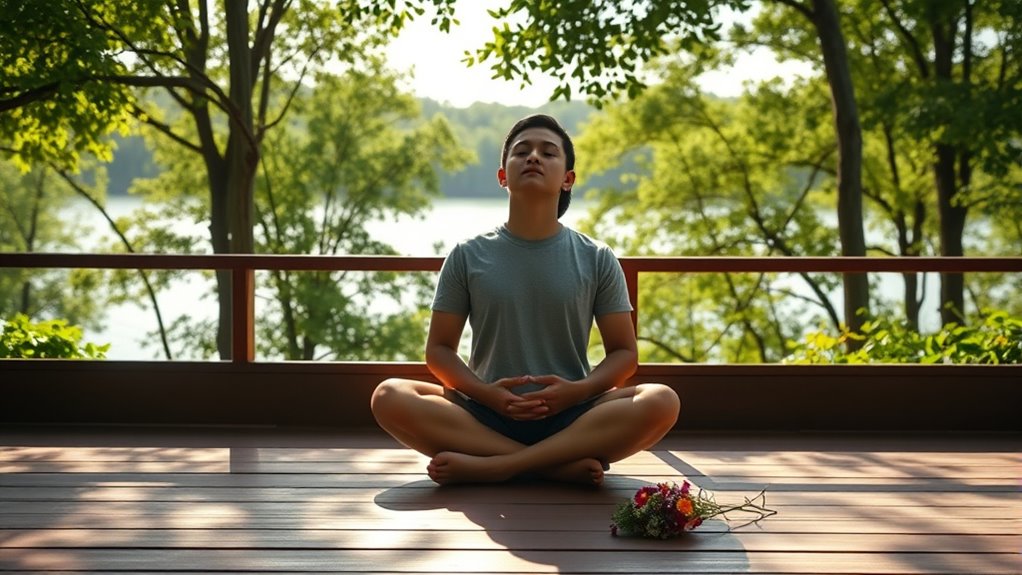
Healing from trauma can feel overwhelming, but incorporating mindfulness and meditation into your routine offers a powerful way to regain control and find calm. When you’re steering trauma recovery, emotional resilience becomes a vital part of the healing process. These practices help you stay grounded amid emotional turbulence, making it easier to process difficult feelings and thoughts without becoming overwhelmed. Mindfulness encourages you to focus on the present moment, allowing you to observe your experiences without judgment. This non-reactive awareness can reduce feelings of anxiety and fear, which are common during trauma recovery. Meditation, on the other hand, provides a structured way to deepen that awareness, helping you cultivate a sense of inner peace and stability.
As you begin integrating mindfulness into your daily life, you’ll notice small shifts in how you respond to stress. Instead of feeling consumed by emotions or flashbacks, you start noticing them with curiosity rather than judgment. Over time, this shift enhances your emotional resilience, giving you tools to face challenging moments with more patience and self-compassion. Regular practice helps weaken the grip of traumatic memories, reducing their power over your mental state. It also encourages a gentle acceptance of your feelings, which is essential for healing. When you’re less reactive, you can better manage the ups and downs of trauma recovery, making it easier to stay committed to your healing journey.
Additionally, understanding the importance of machine quality can help you develop a deeper sense of discipline and routine, which are valuable in maintaining consistent mindfulness and meditation practices. Meditation complements mindfulness by providing a dedicated space to reconnect with yourself. Even just a few minutes of focused breathing or guided meditation can profoundly impact your emotional well-being. It helps quiet the mind, reduce physiological stress responses, and foster a sense of safety within yourself. As you develop a meditation practice, you build resilience against stressors that might otherwise trigger trauma responses. This resilience isn’t about suppressing feelings but learning how to observe and process them more effectively. Over time, you’ll find it easier to self-soothe during difficult moments, which is vital for long-term trauma recovery.
guided meditation for trauma recovery
As an affiliate, we earn on qualifying purchases.
As an affiliate, we earn on qualifying purchases.
Frequently Asked Questions
How Can Mindfulness Help With Trauma Triggers?
Mindfulness helps you manage trauma triggers by enhancing emotional regulation and supporting trauma processing. When you practice mindfulness, you become more aware of your triggers without immediately reacting, allowing you to observe your feelings calmly. This awareness reduces the intensity of your emotional responses over time, helping you stay grounded. Consistent mindfulness practice trains your brain to respond thoughtfully, making it easier to navigate and heal from trauma triggers.
What Are Beginner-Friendly Meditation Techniques for Survivors?
You can start with simple breathing exercises, focusing on slow, deep breaths to calm your mind and body. Guided imagery is also helpful; picture a peaceful place, engaging all your senses to create a safe mental space. These beginner-friendly techniques require minimal effort, making them easy to incorporate into your daily routine. With practice, you’ll find it easier to manage stress and stay grounded during challenging moments.
Are There Any Risks in Practicing Meditation After Trauma?
Think of meditation as a gentle river—sometimes it flows smoothly, other times it uncovers hidden rocks. Yes, there are potential risks like trauma triggers that can intensify feelings or bring up difficult memories. If you notice distress or overwhelming emotions during practice, stop and seek support. Mindfulness can be healing, but it’s essential to approach it with caution, listening to your body and mind.
How Long Should I Meditate to See Benefits?
You should meditate for about 10 to 20 minutes daily to start seeing benefits. Consistency is key, so aim for a daily practice rather than long sessions. Over time, you may notice increased calmness, reduced stress, and better emotional regulation. Listen to your body and adjust meditation duration as needed, especially if you’re new or recovering from trauma. Regular practice helps you build resilience and experience positive changes.
Can Mindfulness Replace Traditional Therapy Methods?
Mindfulness can’t fully replace traditional therapy methods, but it can complement them. While mindfulness vs medication offers different benefits, meditation effectiveness varies among individuals. You might find mindfulness helpful for managing stress or anxiety, yet therapy provides deeper exploration and personalized support. Combining both approaches can enhance your healing journey, but it’s crucial to consult with a mental health professional to determine the best plan tailored to your needs.
Conclusion
Practicing mindfulness and meditation can truly help survivors find peace and regain control. Some research suggests these techniques activate the brain’s relaxation response, reducing stress and emotional pain. While they’re not a cure-all, evidence shows they support healing and resilience. By regularly incorporating mindfulness, you may discover a powerful tool to manage trauma’s lingering effects. Remember, small, consistent steps make a meaningful difference on your journey toward recovery and inner peace.