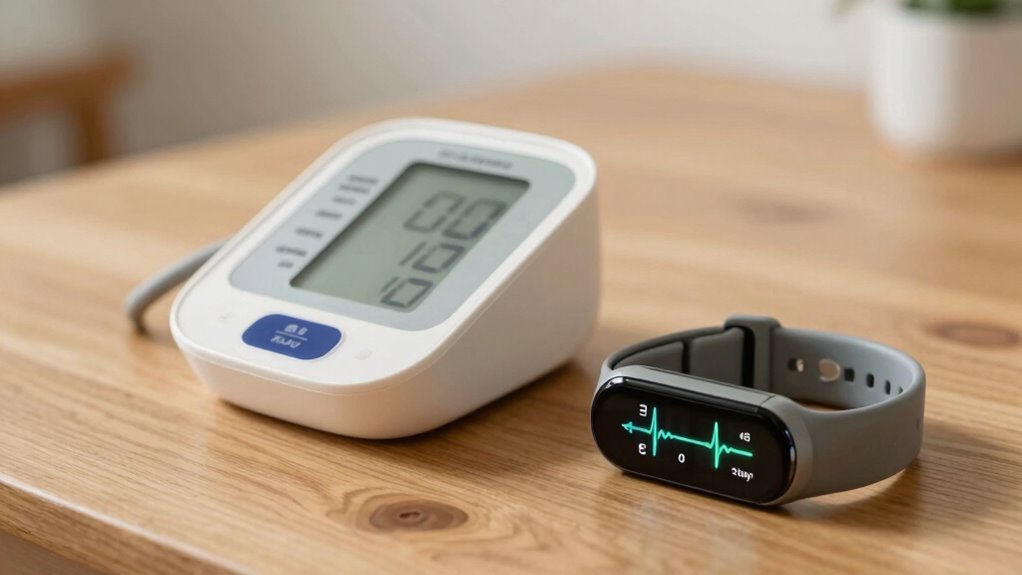
Using blood pressure monitors and fitness trackers can support your recovery by providing essential health insights like blood pressure, heart rate variability, and sleep quality. These devices help you track trends over time and make informed lifestyle adjustments without becoming stressful or obsessive. Focus on the overall patterns, not just individual numbers, and trust your healthcare provider’s advice. If you want to learn how to use these tools wisely, keep exploring ways to benefit from their guidance.
Key Takeaways
- Set specific, limited times for measurements to prevent constant checking and reduce anxiety.
- Focus on overall trends rather than single readings to avoid obsessing over minor fluctuations.
- Use device data as a supportive tool, not the sole determinant of recovery progress.
- Trust healthcare advice and interpret data in context, maintaining a balanced perspective.
- Prioritize holistic well-being, including rest, nutrition, and stress management, alongside device insights.
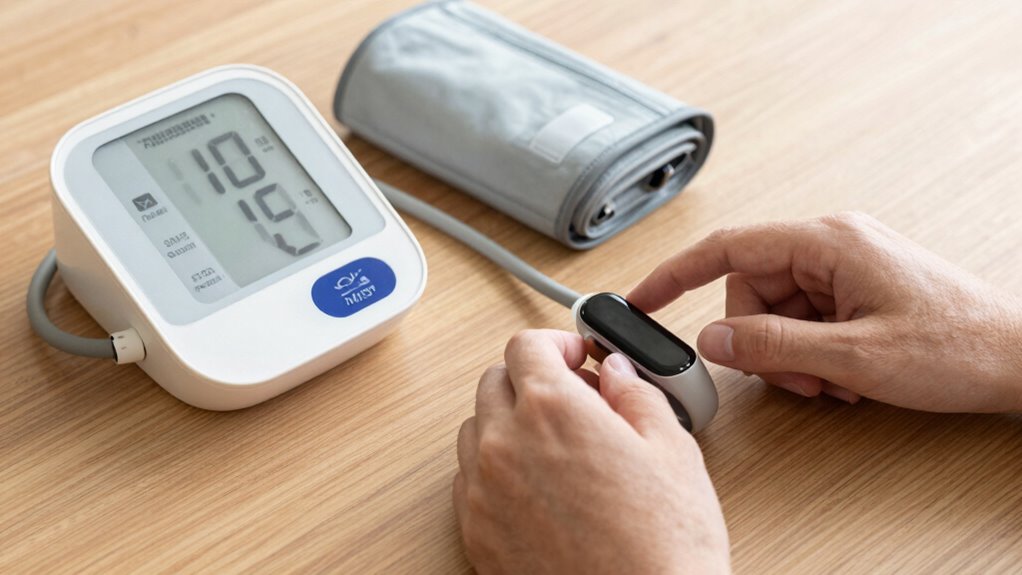
Recovering from an illness or injury often requires careful monitoring of your health, and the right tools can make a significant difference. Blood pressure monitors and fitness trackers are valuable devices that help you stay aware of your body’s signals without becoming obsessive. They give you essential data, like heart rate variability and sleep quality, which can guide your recovery process in a healthy, balanced way. But it’s important to use these tools thoughtfully, not as a source of stress or constant checking.
Monitoring your health with blood pressure and fitness devices supports recovery without becoming obsessive.
When you wear a fitness tracker, you can get real-time insights into your heart rate variability, which reflects your autonomic nervous system’s response to stress and recovery. Monitoring this helps you understand how well your body is adapting to the healing process. If heart rate variability starts to improve, it’s a sign your body is regaining resilience. Similarly, tracking sleep quality ensures you’re getting restorative rest, which is *indispensable* during recovery. Good sleep supports immune function, tissue repair, and mental well-being, all of which are *essential* for healing.
Blood pressure monitors add another layer of insight by providing regular updates on your cardiovascular health. Maintaining healthy blood pressure levels is *imperative* during recovery, especially if you’ve experienced hypertension-related issues or are at risk. Using these devices consistently can help you notice trends over time, alerting you to potential setbacks before they become serious. However, it’s important to avoid obsessively checking your numbers multiple times a day. Instead, set specific times to take readings and interpret the data in context, understanding that minor fluctuations are normal. Regular monitoring can also help you become more familiar with your body’s typical responses and better understand the importance of blood pressure regulation.
Understanding the accuracy of blood pressure readings can help you interpret your data more reliably and avoid unnecessary concern. It’s also beneficial to learn about blood pressure trends and how they relate to your overall health, giving you a clearer picture of your recovery progress. Additionally, knowing about healthy blood pressure ranges can guide you in making better lifestyle choices that support your healing process. The key to integrating these tools into your recovery without obsession is to view them as part of a broader health strategy, not as the sole indicators of your progress. Use the data to inform your lifestyle choices, such as adjusting your activity levels, improving sleep habits, or managing stress. Trust your healthcare provider’s advice and focus on overall well-being rather than fixating on every measurement. Remember, recovery is a journey with ups and downs, and these devices are there to support you, not define your worth or progress.
blood pressure monitor with irregular heartbeat detection
As an affiliate, we earn on qualifying purchases.
As an affiliate, we earn on qualifying purchases.
Frequently Asked Questions
Can These Devices Replace Regular Medical Check-Ups?
No, these devices can’t replace regular medical check-ups. They’re great for remote monitoring and tracking your health daily, but they don’t offer complete diagnostics or professional analysis. Always prioritize data privacy, and consult your healthcare provider regularly to interpret device data correctly. Regular check-ups guarantee you get thorough assessments, personalized advice, and early detection of issues that devices alone might miss.
How Accurate Are Consumer-Grade Blood Pressure Monitors?
Consumer-grade blood pressure monitors can be quite accurate if you choose a reliable device and use it correctly. Device accuracy varies among brands, so look for validated models with good reviews. While they provide useful insights, don’t fully rely on them for medical decisions—consult your healthcare provider regularly. Consumer reliability depends on consistent use and proper technique, so always follow the instructions for the most accurate readings.
Are Fitness Trackers Suitable for All Age Groups?
Fitness trackers are suitable for most age groups, thanks to age-specific features designed to cater to different needs. Younger users benefit from activity tracking and motivation, while older adults appreciate features like heart rate monitoring and fall detection. You’ll find that user comfort varies, but many devices offer adjustable straps and simple interfaces. Always choose a tracker tailored to your age and comfort preferences for the best experience and effective health support.
How Often Should I Calibrate My Devices?
You should calibrate your devices based on the manufacturer’s recommendations, typically every 6 to 12 months. Regular device maintenance ensures accuracy, so check your user manual for specific calibration frequency and instructions. Keep an eye on any performance issues or inconsistent readings, which may signal the need for calibration sooner. Proper calibration maintains your device’s reliability, helping you track your health and recovery progress effectively without obsession.
Can Tracking Cause Anxiety or Obsession?
Tracking can tempt you into tension and torment, fueling anxiety prevention and obsession management struggles. If you focus too much on data, you might magnify minor fluctuations or mistake normal variations for problems. To keep balance, set boundaries, take breaks, and remind yourself that devices are tools, not determinants. Monitoring mindfully helps you stay motivated without spiraling into stress or obsession, supporting steady, sustainable progress.
fitness tracker with heart rate variability monitoring
As an affiliate, we earn on qualifying purchases.
As an affiliate, we earn on qualifying purchases.
Conclusion
Using blood pressure monitors and fitness trackers can genuinely support your recovery without leading to obsession. Imagine checking your progress, adjusting your activity levels, and celebrating small wins—without fixating on every number. These devices act as helpful guides, not stressors. Think of them as your personal coaches, offering insights to keep you motivated and balanced. With mindful use, you’ll see recovery as a journey, not a race—making progress both achievable and sustainable.
sleep quality tracking device
As an affiliate, we earn on qualifying purchases.
As an affiliate, we earn on qualifying purchases.
automatic blood pressure cuff for home use
As an affiliate, we earn on qualifying purchases.
As an affiliate, we earn on qualifying purchases.