
TL;DR

Turn your wind-down time into listening time
- Thousands of audiobooks, podcasts and originals
- Listen on your phone, tablet or Echo — also offline
- Cancel anytime
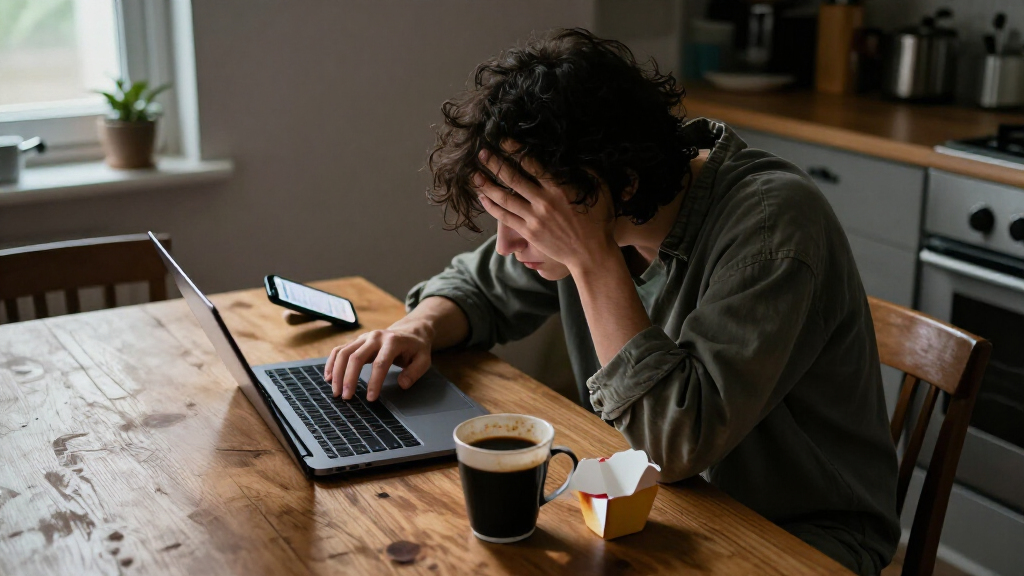
A Tiny Buddha essay by a first-person writer describes five habits the author says can make recovery after a stressful day harder: prolonged scrolling, ignoring emotions, treating stress as personal failure, pushing through without rest, and choosing obligation over restorative activities. The piece is personal advice, not a research report, and it does not establish that these habits cause specific health outcomes.
Tiny Buddha has published a first-person essay describing five habits its author says can make it harder to recover after a stressful day, including prolonged social-media scrolling, suppressing emotions and blaming oneself for feeling overwhelmed. The piece offers personal reflections and coping suggestions; it is not a clinical study and does not establish that the habits cause particular health effects.
The author says they once turned to social media for a short distraction, only to find that time online could stretch much longer and leave them feeling more overwhelmed. Their suggested alternatives include taking a brief pause without a screen, making tea, watching the sunset, sitting by an open window or spending a few minutes outdoors. These are presented as the author’s own practices, not as treatments shown by the article to work for everyone.
A second habit is denying or postponing emotions. The essay describes saying “I’m fine” when that is not true, or repeatedly putting off dealing with difficult feelings. The author argues that acknowledging a hard day can be a useful first step, and writes that crying when needed is preferable to pretending to feel fine. The article does not cite evidence that emotional suppression leads to any specific diagnosis or outcome.
The author also cautions against treating stress as a personal failure, saying it may prompt someone to consider whether they have taken on too much, need rest or have lost sight of their boundaries. The remaining habits are continuing to push through after an exhausting day and choosing activities only out of obligation rather than making room for enjoyable, restorative routines. The essay recommends comfort and rest, such as taking a bath, eating a favorite food or going to bed early.
Practical Choices After a Stressful Day
The article’s central message is that a difficult day need not be followed by more pressure at home. It asks readers to notice whether their usual response—such as scrolling for a long time or insisting they are fine—actually feels restorative. That framing may be useful as a prompt for reflection, while the advice remains personal and general, rather than a substitute for professional support.
The distinction matters because stress has many possible sources and people respond differently. A quiet activity that suits the essay’s author may not work for another reader, and the article offers no measured comparison of its suggestions. Its value is as an accessible account of small choices the writer finds helpful, not proof that one routine will reduce stress for everyone.
relaxing herbal tea for stress relief
As an affiliate, we earn on qualifying purchases.
As an affiliate, we earn on qualifying purchases.
The essay opens with memories of two contrasting homes: the author describes their mother’s orderly household as emotionally cold and their grandmother’s home as warm and creative. The grandmother, the writer says, modeled a balance between responsibilities and activities chosen for pleasure. That childhood contrast informs the essay’s advice to avoid treating every task as an obligation, particularly after a demanding day.
The article is explicitly grounded in the author’s experience. It refers to their own childhood and adult habits, including how they respond to emotions and use social media. The supplied source contains no research citations, expert interviews or survey data, so its five points should be understood as a personal essay rather than evidence-based reporting on stress or mental health.
“You have to endure it. That’s how everyone lives.”
— The author’s mother, as recalled in the essay
Limits of the Essay’s Advice
The article does not identify a publication date in the supplied material, and it provides no studies or expert sources to support general claims about how the five habits affect stress. It is therefore unclear whether the author’s experiences reflect outcomes shared by a broader population. Suggestions such as taking a bath, spending time outdoors or stepping away from a phone are not presented with evidence of a guaranteed effect.
The source excerpt ends during the discussion of the author’s third habit, so it does not include the full original article’s wording for the final two habits or any additional qualifications that may appear later on the page. The five habits are listed in the supplied introduction, but details available here focus most fully on scrolling, ignoring emotions and self-blame.
How Readers Can Use the Suggestions
The essay does not announce a follow-up study, program or reporting milestone. Its immediate next step for readers is practical: notice which responses leave them feeling more drained, then consider a small alternative that feels manageable, such as taking a screen-free pause or naming what made the day difficult. These are suggestions from the author, not instructions that fit every circumstance.
Readers experiencing persistent distress or concerns about their mental health may wish to discuss them with a qualified health professional. The source does not offer individualized assessment, and its suggestions should not be treated as medical advice.
Key Questions
What five habits does the essay identify?
The supplied source identifies prolonged scrolling, ignoring emotions, treating stress as personal failure, continuing to push through after a difficult day, and choosing obligation over enjoyable or restorative activities.
Does the article prove these habits cause worse mental health?
No. The piece is a first-person essay and does not cite studies or establish cause and effect. Its points reflect the author’s experience and interpretation.
What alternatives does the author suggest for scrolling?
The author suggests taking a short screen-free pause, making a comforting drink, watching the sunset, sitting by an open window, spending time near water or going outdoors. The essay does not claim these activities work for everyone.
What does the essay say about acknowledging emotions?
The writer encourages readers to recognize when a day was hard rather than automatically pretending to be fine. This is personal advice, not a diagnosis or treatment recommendation.
Source: rss
Fall Picks
fall essentials
As an affiliate, we earn on qualifying purchases.