
TL;DR
Fit&Well reports that two yoga instructors recommend cat-cow, downward-facing dog and supine twists as movements that may support lower-back mobility and the muscles around the spine. The instructors also describe easier variations and advise stopping if a pose causes sharp pain; the report does not establish that these poses prevent back injuries.
Fit&Well has highlighted three yoga poses—cat-cow, downward-facing dog and supine twists—that two instructors recommend for supporting spinal mobility and lower-back health. The report offers instructions and modifications, but its recommendations are instructor guidance, not evidence that the poses prevent back injuries or treat a medical condition.

Give the gift of listening to someone who needs a break
- Choose a 1-, 3-, 6- or 12-month membership
- They pick the audiobooks they love
- Easy to send by email
Missy White, a certified instructor and owner of Studio 108 Yoga and Teacher Training Center, told Fit&Well that a suitable mix of poses can help maintain spinal flexibility and strengthen supporting muscles. Ashley Lynn Caputo, who runs Unwind the Mind Hypnosis & Wellness in Tampa, described cat-cow as moving the lower and middle back through controlled flexion and extension. She said the movement may help address stiffness associated with prolonged sitting.
The report suggests doing the poses after long periods of sitting, before a workout or as part of a morning routine. It proposes five to 10 breaths for each movement. In cat-cow, practitioners begin on hands and knees, round the back while exhaling, then lower the belly and lift the chest while inhaling. Caputo advises keeping the shoulders away from the ears, spreading the fingers and padding sensitive knees.
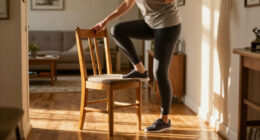
For downward-facing dog, the instructions start on hands and knees before lifting the hips into an inverted V. Caputo recommends keeping a slight bend in the knees rather than forcing the legs straight, and says people can pedal their feet or widen their stance for comfort. A wall-supported version is offered as an alternative for people with mobility concerns or difficulty bearing weight through the wrists.
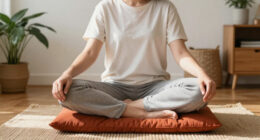
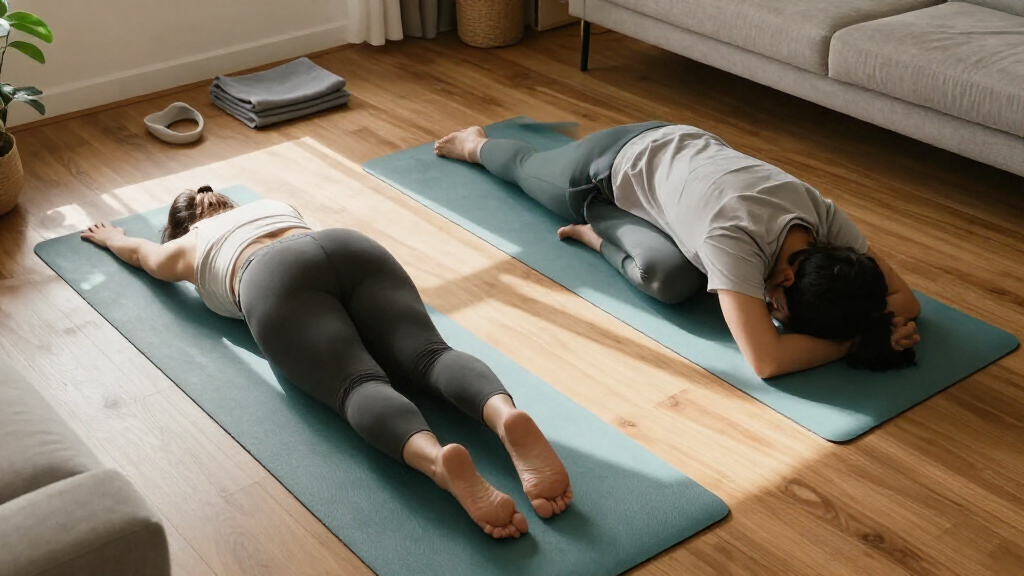
For the twisting movement, practitioners lie on their backs, bend their knees and gently lower one knee to the opposite side while keeping a shoulder grounded, then repeat on the other side. White recommends supporting a knee with a block or other prop if it does not comfortably reach the floor. The report also mentions a seated twist as an alternative. Its safety guidance is to stop if a pose causes sharp pain and speak with a doctor before continuing.
Options for Stiffness After Sitting
The suggestions are aimed at people whose backs feel stiff after desk work or extended phone use. They offer three distinct movements—spinal flexion and extension, a supported lengthening position, and rotation—that readers can adapt to their comfort and mobility. That makes the report practical as a set of instructor-led options, rather than a single prescribed routine.
The distinction between mobility support and injury prevention matters. The article’s title uses the word “protect,” but the supplied report does not present clinical evidence that these poses prevent back pain, injury or damage. Readers should understand the instructors’ explanations as expert guidance attributed to them, not as a proven medical outcome. The report itself advises stopping for sharp pain and consulting a doctor before resuming.
Popular right now

Vitamix Propel Series 510 Professional-Grade Blender, Black

Dyson V8 Cordless Vacuum

LG 55-Inch QNED73B Mini LED 4K Smart TV (2026)
As an affiliate, we earn on qualifying purchases.
Instructor Guidance Behind the Three Poses
Fit&Well’s report frames the sequence around prolonged sitting and limited movement. White’s general explanation is that yoga can support spinal health through flexibility and strength in surrounding muscles. Caputo gives a pose-by-pose rationale: cat-cow moves the spine, downward-facing dog stretches the shoulders, spine and hamstrings, and twists work the muscles around the spine while encouraging rotation.
Those descriptions come from the two instructors interviewed for the report. The supplied source does not cite a study, medical organization or trial measuring the poses’ effects, and it does not compare them with other forms of exercise. Its contribution is a practical routine with variations, including wall support for downward-facing dog and props for twisting, rather than a clinical assessment of back-health outcomes.
“Yoga is a great way to improve spinal health.”
— Missy White, certified instructor and owner of Studio 108 Yoga and Teacher Training Center
Evidence and Individual Suitability
The source material does not provide a publication date, clinical research or outcome data showing how much these poses affect back mobility, pain or injury risk. It also does not define what it means to “protect” the lower back. The recommendation should not be read as proof that the movements prevent or resolve back problems.
People’s mobility, symptoms and comfort vary, and the report does not specify which conditions may make a pose unsuitable. Its warning is limited but clear: sharp pain is a reason to stop, and readers should speak with a doctor before continuing after experiencing it. The article does not provide individualized medical assessment.
Use Gentle Variations First
The report proposes trying the movements after sitting, before exercise or during a morning routine, with modifications for comfort: cat-cow on an elevated surface, downward-facing dog at a wall, or a seated twist. It recommends holding each pose for five to 10 breaths, but does not lay out a progression plan or say how often the sequence should be repeated.
Readers who try the routine should follow the instructors’ form suggestions and avoid pushing into pain. Anyone with mobility concerns or symptoms that make these movements uncomfortable can seek advice from a qualified health professional about suitable activity. The source gives no further update or follow-up milestone.
Key Questions
Which three poses does the report recommend?
It names cat-cow, downward-facing dog and supine twists. The two instructors featured in the Fit&Well report recommend them for movement and flexibility around the spine.
How long should each pose be held?
The report suggests five to 10 breaths for each pose. It does not specify a required number of rounds or a weekly schedule.
What alternatives does the report offer?
It suggests doing cat-cow on an elevated surface, such as a bed, trying downward-facing dog against a wall, and using a seated twist if the floor version is not accessible. A block or other prop can support a knee during a twist.
Do these poses prevent lower-back injuries?
The report does not provide evidence that the poses prevent injuries. It presents instructor recommendations for supporting mobility and advises stopping if a pose causes sharp pain.
Source: fitandwell.com