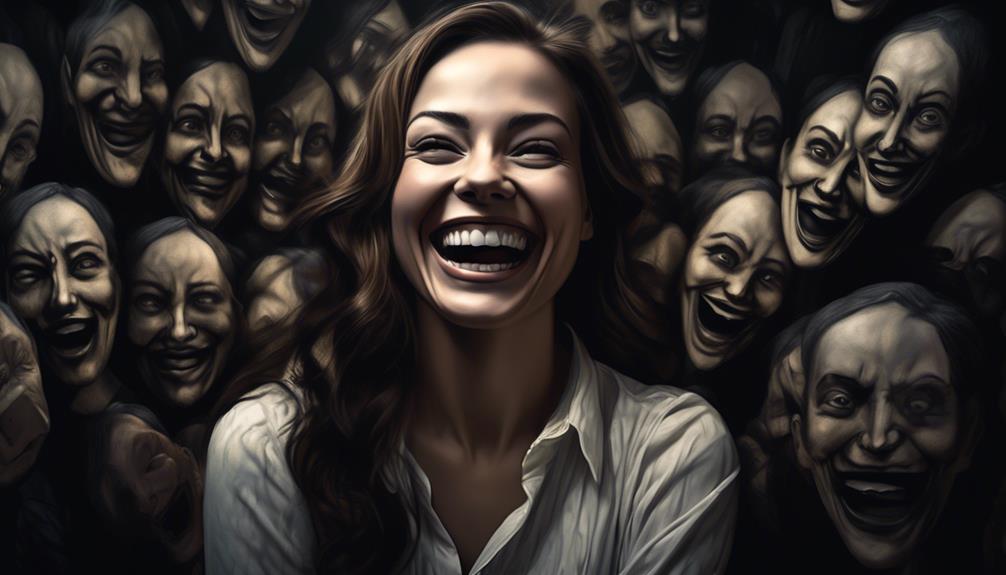
Beauty acts as a subtle weapon by shaping perceptions, boosting credibility, and influencing social and professional outcomes. By mastering appearance strategies—such as grooming, confidence, and understanding societal standards—you can navigate hierarchies and sway judgments in your favor. Recognizing how stereotypes and norms play into this allows you to consciously manipulate how others see you. Continuing will reveal deeper insights into harnessing beauty’s power as an effective tool for strategic influence.
Play games included with Prime
Start a Prime free trial and play with Amazon Luna on your devices.
As an affiliate, we earn on qualifying purchases.
Key Takeaways
- Beauty influences perceptions of credibility, authority, and likability, serving as a subtle form of soft power in social contexts.
- Strategic use of appearance aligns with societal norms and stereotypes to enhance career prospects and social influence.
- Women often face gendered pressures that link their value to looks, making appearance-based manipulation a gendered social dynamic.
- Recognizing societal stereotypes allows individuals to intentionally craft appearances that project professionalism or trustworthiness.
- Conscious or unconscious, leveraging beauty can shape social outcomes by navigating power structures and social hierarchies.

Have you ever considered how beauty can be wielded as a form of influence? It’s a subtle but powerful tool that can shape social interactions and sway opinions without a word spoken. In many contexts, appearance isn’t just about personal expression; it becomes a strategic asset that influences social influence and gender dynamics. When you understand how beauty functions as a weapon, you recognize its role in shaping perceptions and outcomes in various settings, from professional environments to personal relationships.
Social influence through beauty operates on an unconscious level, often affecting how others perceive your credibility, likability, and authority. People tend to associate attractive features with positive traits like competence and trustworthiness, a phenomenon rooted in societal stereotypes. This bias can be exploited consciously or unconsciously, giving those who are aesthetically appealing a distinct advantage. For example, in the workplace, individuals who conform to conventional standards of beauty may find it easier to garner support, win favor, or advance their careers. This dynamic underscores how beauty becomes intertwined with social influence, reinforcing existing power structures and gender dynamics. Women, in particular, often face heightened scrutiny around appearance, with societal expectations dictating that their value is closely tied to their looks. This creates a gendered aspect to appearance-based manipulation, where women might be encouraged or pressured to use beauty as a strategic tool to navigate social hierarchies.
Beauty influences perceptions of credibility and authority, often giving attractive individuals an unconscious advantage in social and professional settings.
Harnessing beauty as a weapon involves understanding these gendered expectations and social signals. It’s about more than just physical attractiveness; it’s about how you present yourself, the confidence you exude, and how others interpret your appearance within societal norms. By mastering this, you can subtly influence how others perceive your authority or friendliness, often without explicitly trying. For instance, a polished appearance can project professionalism and competence, making it easier to gain trust or influence decisions. Conversely, understanding the stereotypes associated with beauty allows you to manipulate perceptions intentionally, whether to attract positive attention or to deflect criticism. Recognizing the power of societal stereotypes can further enhance your ability to navigate social interactions strategically.
Ultimately, recognizing the role of beauty in social influence and gender dynamics empowers you to navigate social situations more strategically. When you see beauty not just as a personal trait but as a form of soft power, you gain insight into how appearances shape societal interactions. Whether you choose to leverage this consciously or remain aware of its effects, understanding beauty’s influence helps you grasp the subtle ways societal norms and gender expectations operate, giving you a clearer picture of how appearance can be wielded as a potent weapon in social play.
As an affiliate, we earn on qualifying purchases.
Frequently Asked Questions
How Do Cultural Differences Influence Appearance-Based Manipulation Tactics?
Cultural differences shape how appearance-based manipulation tactics work, as cultural perceptions influence beauty standards. You might notice that in some cultures, flawless skin or specific hairstyles are highly valued, driving people to adopt certain beauty practices. These standards guide how individuals use makeup, fashion, or grooming to appeal to societal expectations, making appearance-based tactics more effective within specific cultural contexts. Understanding these differences helps you see why manipulation strategies vary worldwide.
Can Appearance-Based Strategies Backfire in Professional Settings?
Did you know that 65% of employers admit to making quick judgments based on appearance? In professional settings, appearance-based strategies can backfire, as personal bias might lead others to question your authenticity. If you rely too heavily on manipulation tactics, colleagues may doubt your sincerity, harming trust and credibility. Sometimes, authenticity matters more than looks, and overusing appearance cues risks damaging your reputation and professional relationships.
What Ethical Considerations Surround Using Beauty as a Manipulation Tool?
When using beauty as a manipulation tool, you must consider ethics carefully. You might enhance your appearance to influence others, but this risks compromising body positivity and authenticity concerns. You could be perceived as insincere or manipulative, damaging trust. It’s essential to prioritize genuine connections and respect others’ autonomy, ensuring your actions don’t perpetuate unrealistic standards or undermine confidence, especially in professional or personal settings.
How Do Social Media Platforms Impact Appearance-Based Manipulation?
They say “beauty is in the eye of the beholder,” but social media’s filters and algorithms skew that view. You’re often shown idealized images, making you believe these standards are real. Filters enhance appearances, while algorithms prioritize certain looks, reinforcing narrow beauty ideals. This creates pressure to conform, manipulating your perceptions and self-esteem. Social media amplifies appearance-based manipulation, shaping how you see yourself and others daily.
Are There Psychological Risks Associated With Relying on Appearance for Influence?
Relying on appearance for influence can lead to significant psychological risks. You might develop self-esteem issues, feeling valued only for your looks, and experience heightened anxiety disorders due to constant pressure to meet beauty standards. This reliance can create a fragile sense of self, making you more vulnerable to criticism and self-doubt. Ultimately, prioritizing appearance over authenticity can harm your mental health and emotional well-being.
Conclusion
Remember, beauty can be your greatest asset or your sharpest weapon. Just like a double-edged sword, it can open doors or cut deeply if wielded unwisely. While appearances may seem superficial, they carry power—sometimes more than you realize. So, use your allure thoughtfully, knowing it can sway minds and shape perceptions. In the end, beauty’s true strength lies in your awareness of its influence—and your choice to wield it wisely or softly.
Fall Picks
fall essentials
As an affiliate, we earn on qualifying purchases.