TL;DR
Fit&Well published a 10-minute, five-movement Pilates session designed for active recovery and movement breaks. Instructor Victoria Repa recommends one round at a conversational effort, with rest between exercises; the report does not provide clinical evidence that this specific routine prevents injury or speeds recovery.
Fit&Well has published a 10-minute gentle Pilates routine for people looking for light movement between harder workouts or during breaks from sitting. Pilates instructor Victoria Repa, who developed the session, recommends one round of five exercises, with rest as needed and effort light enough to allow comfortable conversation.

Turn your wind-down time into listening time
- Thousands of audiobooks, podcasts and originals
- Listen on your phone, tablet or Echo — also offline
- Cancel anytime
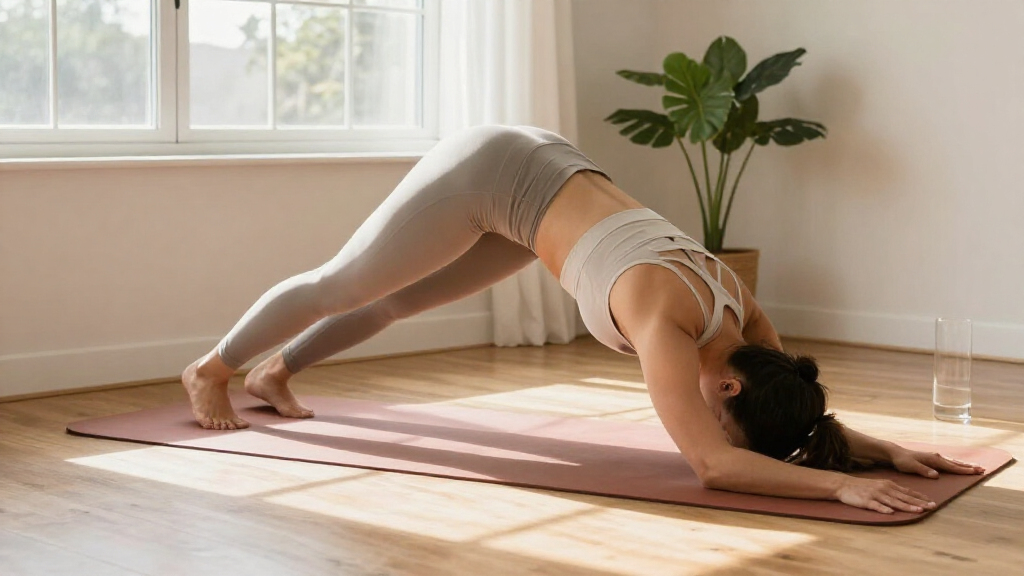
The routine moves through rib breathing, a modified hundred, one-leg circles, cat-cow and swan preparation. The exercises are performed on a mat and use small, controlled movements. Repa’s instructions call for five or six breaths during rib breathing, three to five breathing cycles for the modified hundred, and six cat-cow repetitions. The leg circles and swan preparation are also kept to limited repetitions.
For the opening breathing exercise, participants lie on their backs with knees bent and hands at the lower ribs, breathing gently and allowing the ribs to expand and settle. The modified hundred keeps the head and shoulders on the floor while the arms make small pumps. One-leg circles are performed with the pelvis steady; the report specifies three circles in each direction on each leg.
The final two movements take place on hands and knees and then lying face down. Cat-cow alternates a rounded back with a gentle arch. In swan preparation, the chest lifts only a small distance while the neck stays comfortable, before the participant lowers slowly. Repa recommends one round, rather than repeating the sequence, and says there should be enough breath to hold a conversation throughout.
A Lower-Intensity Option for Rest Days
The report offers readers a defined alternative to either a demanding workout or complete inactivity. Repa describes active recovery as easier activity between more intense workouts and says light movement can help reduce stiffness while keeping exercise in a regular routine. The session’s short duration and limited number of repetitions may make it easier to fit into a rest day or a break from prolonged sitting.
Those benefits are presented as Repa’s guidance, not as findings from a study of this particular routine. The source does not report measured outcomes or establish that these five exercises prevent injury, treat soreness or accelerate recovery. Its practical point is narrower: gentle, adaptable movements can be one way to stay active without turning a recovery day into another hard workout.
Popular right now

Dyson V8 Cyclone Cordless Vacuum

TCL 55 T7 Series 4K 120Hz QLED Smart Google TV (55T7)

Ninja Combi 14-in-1 Multicooker, Air Fryer, Toaster Oven & Steamer (SFP701)
As an affiliate, we earn on qualifying purchases.
How the Five-Move Session Works
Repa says Pilates suits active recovery because its pace, range of motion and exercises can be adapted to different fitness levels. She also recommends gentle movement as a possible starting point for people who are new to exercise. The report’s emphasis is on comfortable movement, not pushing through fatigue or reaching a particular performance target.
The routine is built around breathing and controlled motion rather than equipment or a fast sequence. Participants can pause between movements, and the instructions keep the range of motion small—for example, the leg circles should be limited enough that the hips remain still. Repa also places the session within a broader routine that includes sleep, balanced eating and downtime; the article does not frame Pilates as a substitute for those factors.
“Active recovery refers to days when you plan easier activities between more intense workouts.”
— Victoria Repa, Pilates instructor and founder of the BetterMe workout app, as quoted by Fit&Well
Evidence and Safety Remain Limited
The Fit&Well report provides a routine and an instructor’s recommendations, but it does not cite a clinical trial testing this specific sequence or quantify its effects. It does not establish that the exercises will reduce soreness for every reader, prevent injury, or improve recovery compared with rest. The source also gives no date for the report, and does not provide modifications for particular injuries or medical conditions.
Readers’ comfort and ability will vary. The routine is described as gentle, but that label does not mean every movement is appropriate for everyone. The report does not set out individual medical screening or injury-specific advice; people with health concerns or pain should seek guidance from a qualified professional before making exercise decisions.
How Readers Can Use the Routine
The article does not announce a follow-up study, update or scheduled development. Its next step for readers is simply to try the single 10-minute round as an optional light session, taking breaks between movements and keeping the effort conversational, as Repa advises. The instructions specify low repetitions and controlled motion rather than a target to increase intensity.
Whether the routine suits an individual depends on how the movements feel and on that person’s circumstances. The source offers no outcome data to track and no promise of a particular recovery result. Any broader claim about effectiveness would require evidence beyond the instructor’s recommendations in this report.
Key Questions
What is the 10-minute Pilates session for?
Fit&Well presents it as a gentle active-recovery option between harder workouts or as a movement break for people who sit for long periods. The report does not claim that it treats an injury or guarantees faster recovery.
Which exercises are included?
The five movements are relaxed rib breathing, a modified hundred, one-leg circles, cat-cow and swan preparation. They use small, controlled ranges of motion and require a mat.
How many rounds does the instructor recommend?
Victoria Repa recommends one round, with time to rest between movements. She says the session should remain light enough for a comfortable conversation.
Does the report prove the routine speeds recovery or prevents injury?
No. The source presents Repa’s recommendations but does not cite research testing this particular sequence or report measured recovery outcomes. It does not establish that the routine prevents injury.
Source: fitandwell.com